




The Fat Factor
The importance of dietary fats in maintaining a healthy cardiovascular system cannot be overstated. Excessive consumption of trans fats and saturated fats is
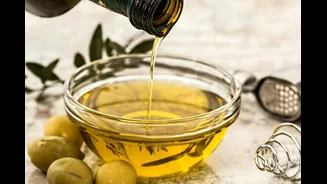
widely recognized as a significant risk factor contributing to various heart-related ailments. Cold-pressed oils offer a compelling alternative by retaining their inherent goodness through mechanical extraction at low temperatures. This gentle process ensures that precious antioxidants, vitamin E, and beneficial plant compounds remain intact, unlike oils subjected to high heat and chemical treatments. Consequently, these oils provide a superior quality of fat, making them an excellent choice for individuals focused on enhancing their dietary fat profile rather than merely avoiding fats altogether. This deliberate selection of nutrient-rich oils is a foundational step towards proactive heart-conscious cooking and overall enhanced well-being, aligning modern dietary advice with time-tested food wisdom.
Nutrient-Rich Fats
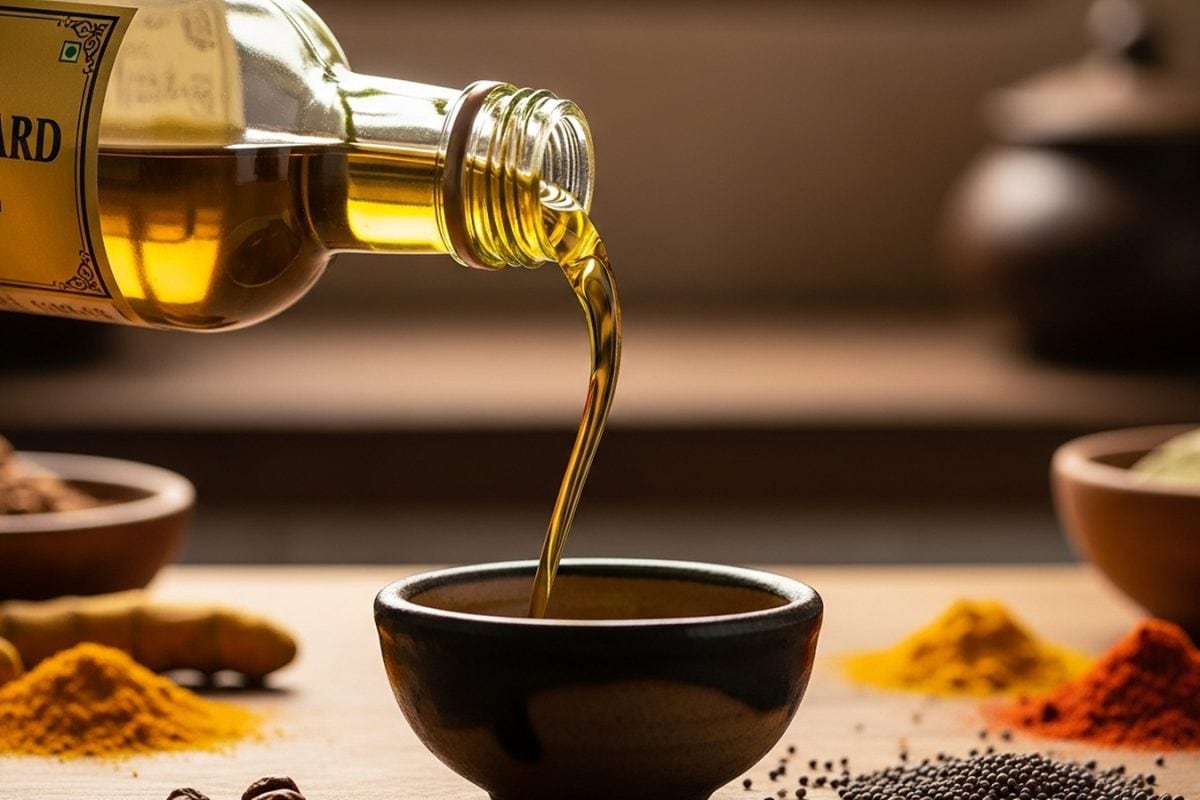
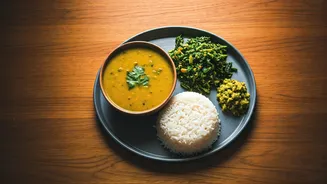
Heart-friendly cooking hinges on the judicious selection and adequate intake of beneficial fats. Cold-pressed oils naturally provide this crucial balance. For instance, cold-pressed mustard oil is a valuable source of plant-based omega-3 fatty acids, specifically ALA, which plays a supportive role in maintaining cardiovascular health. Similarly, cold-pressed groundnut oil is rich in monounsaturated fats, often referred to as “good fats,” known for their positive impact on cholesterol levels. Furthermore, cold-pressed sesame oil is abundant in potent antioxidants such as sesamol and sesamin, which are instrumental in combating oxidative stress within the body. These inherent properties make these oils incredibly versatile for everyday Indian culinary practices, perfect for everything from lightly sautéing vegetables and preparing flavourful curries to enriching dals and sabzis with their wholesome goodness.
Tradition Reimagined
The practice of using cold-pressed oils is far from a novel trend; it represents a profound return to ancient Indian culinary traditions. Centuries ago, before the advent of industrial processing, Indian households exclusively relied on oils extracted through traditional methods using 'ghaanis' or wooden presses. This method ensured that the oils retained their natural integrity and nutritional value. Regional dietary customs naturally gravitated towards oils derived from locally abundant crops and suited to the prevailing climate. For example, northern and eastern India historically favored mustard oil, western regions utilized groundnut oil, and the coastal belts incorporated coconut oil. Modern nutritional science is now increasingly validating these age-old practices, demonstrating that minimally processed, regionally appropriate ingredients often contribute to superior health outcomes, harmonizing ancestral wisdom with contemporary dietary recommendations.
Mindful Cooking Tips
While cold-pressed oils offer significant health advantages, it is essential to remember that all oils are calorie-dense and should be consumed in moderation. Practicing mindful cooking is key to reaping their benefits without overconsumption. It is advisable to avoid reheating or reusing cooking oils, as this process can degrade their nutritional quality and potentially generate harmful compounds. Vigilant portion control remains paramount due to the high caloric content of all oils. To create a truly balanced and heart-friendly diet, pair these healthy fats with an abundance of whole grains, nutrient-rich millets, wholesome pulses, and a variety of fresh fruits and vegetables. Selecting the appropriate oil for specific cooking techniques is also crucial for preserving both flavor and the oil’s stability. Ultimately, achieving heart health is an outcome of consistent, thoughtful dietary choices rather than reliance on a single ingredient.