




Soup's Hearty Appeal
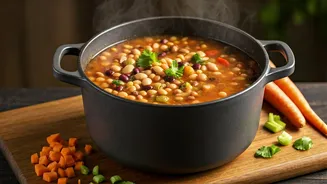
Bean soup, a beloved staple, has earned its place as a comfort food classic. Its adaptability allows for endless variations, accommodating different tastes
and dietary needs. Whether you're seeking a simple meal or a complex, layered dish, bean soup provides both satisfaction and nourishment. The appeal extends beyond taste, as bean soups are often economical, making them a practical choice for home cooks. The variety of beans available adds to this versatility, enabling chefs to experiment with textures and flavors. From creamy textures to chunky additions, each spoonful offers a unique and satisfying experience, reinforcing the enduring popularity of this wholesome dish. Moreover, the cultural significance of bean soup is remarkable, with many regions boasting their own signature recipes, reflecting local ingredients and culinary traditions. It’s a dish that brings people together and celebrates the joy of shared meals.
Diverse Bean Varieties
The beauty of bean soup lies in the vast selection of beans available, each lending its distinct character to the dish. Kidney beans, with their deep red hue and robust flavor, are popular in chili-style soups, while creamy cannellini beans work well in Italian-inspired recipes. Black beans offer a rich, earthy taste, perfect for Southwestern-style soups. Consider navy beans for their smooth texture, ideal for classic soups. Pinto beans bring a mild, versatile flavor that blends well with various ingredients. The selection extends beyond these familiar beans; you can experiment with lesser-known varieties such as cranberry beans, which are known for their nutty taste, and flageolet beans, which provide a delicate flavor. Combining different beans in a single soup can create a complex flavor profile and texture. Each variety not only contributes to the flavor but also enhances the nutritional value of the soup, offering a range of vitamins, minerals, and dietary fiber, crucial for health.
Flavorful Ingredient Combinations
Bean soup's success lies in the balance of flavors, achieved by thoughtfully combining ingredients. Aromatics like onions, garlic, and celery form the foundation, offering depth. Spices such as cumin, coriander, and smoked paprika enhance the flavor profile. Adding tomatoes provides acidity and sweetness, while vegetables like carrots, potatoes, and spinach add texture and nutrients. Herbs like thyme, oregano, and bay leaves infuse freshness. Meats such as bacon or sausage add a savory depth, while vegetarian options include smoked tofu or mushrooms. Cooking methods, whether slow-cooking, pressure-cooking, or stovetop simmering, further contribute to flavor development. The liquid base, ranging from vegetable broth to chicken broth, significantly impacts the overall taste. Experimenting with different combinations and cooking times allows for endless variations, from a simple, comforting meal to a gourmet experience, making each batch unique.
Cooking Methods Overview
The method of cooking plays a pivotal role in the final outcome of bean soup. Slow-cooking, a time-honored technique, allows flavors to meld beautifully. Ingredients gently simmer for hours, developing deep, complex tastes. Pressure-cooking, on the other hand, accelerates the process, softening beans quickly while preserving their texture and nutrients. It is a fantastic option for those short on time. Stovetop simmering provides more control over the cooking process, allowing for adjustments to heat and liquid levels as needed. This method suits simple, quick-cooking soups, allowing for monitoring and fine-tuning. For those seeking efficiency, the Instant Pot is a useful tool, combining the benefits of pressure and slow cooking in one appliance. Regardless of the method, the key is patience. Allowing flavors to meld and the beans to soften leads to a delicious, well-rounded soup. Each method yields different textures and levels of complexity, allowing cooks to customize their creations based on preference.
Vegetarian & Vegan Options
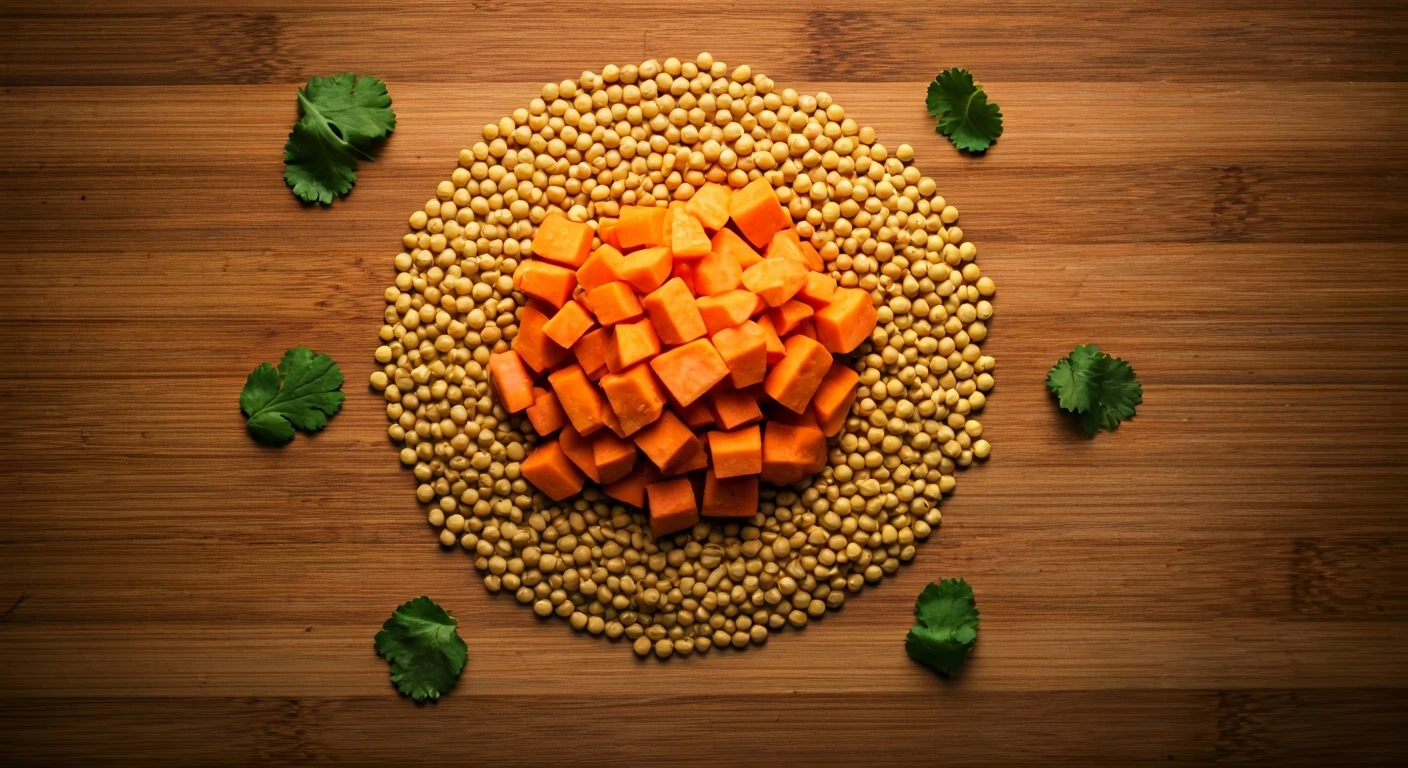
Bean soup is a natural fit for vegetarian and vegan diets, offering plant-based protein and fiber. To create a vegetarian version, start with a vegetable broth base, avoiding meat-based stocks. Ensure the absence of any animal products in the ingredients. Consider adding hearty vegetables like sweet potatoes and squash to increase the satisfaction. For vegan preparations, carefully verify that all ingredients are plant-derived. Instead of meat, substitute ingredients like smoked tofu, tempeh, or mushrooms for added protein and savory flavors. Plant-based fats such as olive oil and coconut milk can enrich the soup's texture. Season generously with herbs and spices for enhanced flavor. By thoughtfully selecting ingredients and using flavorful cooking methods, you can create delicious and nutritious bean soups suitable for any diet. Many recipes are easily adaptable, making bean soup a versatile choice for everyone.
Serving Suggestions & Sides
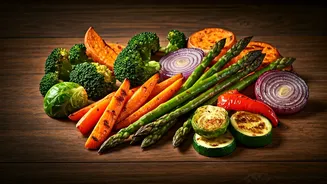
Presenting bean soup is as crucial as the cooking itself. Classic pairings include crusty bread or cornbread for dipping, enhancing the overall experience. Garnish with a swirl of cream or a sprinkle of fresh herbs for visual appeal and flavor. For added texture, consider adding a dollop of sour cream or a sprinkle of cheese (for vegetarian options). A squeeze of lemon juice brightens the flavors. Serving soup in a rustic bowl enhances the meal's appeal. When preparing side dishes, salads add freshness, while grilled vegetables offer contrasting textures. Pair the soup with a simple sandwich, such as a grilled cheese (vegetarian) or a hearty meat and cheese option. The goal is to complement the soup’s richness without overwhelming it. With thoughtful presentation and side pairings, a simple bowl of bean soup can become a complete and memorable meal, enhancing its comforting character.