




The Hair Oil Acne Link
If you've noticed a recurring pattern of small bumps along your hairline or across your forehead, especially after conditioning your locks, the culprit
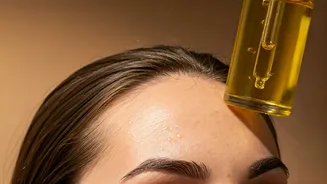
might not be your facial cleanser but rather the very product intended to beautify your hair. These stubborn blemishes, often referred to as 'pomade acne' or 'acne cosmetica,' are distinct breakouts triggered primarily by hair care formulations, particularly those rich in oils. Unlike typical pimples, these bumps tend to linger without fully developing or completely vanishing. The fundamental cause of acne is the blockage of pores by a combination of dead skin cells, bacteria, and natural body oils. Hair oil significantly exacerbates this process. As it migrates from your scalp down to your skin, it mingles with perspiration and your skin's own sebum, creating a potent mixture that obstructs hair follicles and traps microorganisms. This creates an ideal breeding ground for inflammation and further breakouts. Even traditional or heavily formulated hair oils can deposit a dense film on the skin's surface, directly initiating acne and trapping environmental debris.
Identifying Pomade Acne
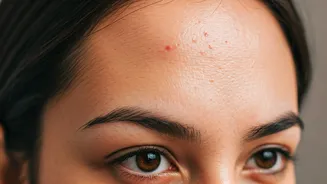
Distinguishing 'pomade acne' from other forms of blemishes is key to addressing it effectively. The tell-tale signs often include a concentration of breakouts specifically along the hairline and forehead. These lesions typically present as small, uniform bumps that bear a resemblance to comedones – the non-inflammatory precursors to acne. A crucial indicator is the temporal relationship: if your acne noticeably flares up or worsens in the period following the application of hair oil, while simultaneously, your cheeks and chin remain relatively clear, it strongly suggests that your hair oil is the root cause. This localized breakout pattern on the forehead and hairline, coupled with a lack of congestion elsewhere on the face, points directly towards the influence of hair product residue. By observing these specific characteristics, you can confidently attribute forehead breakouts to your hair oiling routine.
Forehead's Prone Nature
Your forehead is intrinsically more susceptible to acne due to its anatomical and physiological characteristics, making it a prime target for hair oil-induced breakouts. It's part of the T-zone, a region of the face known for its heightened sebaceous gland activity. These glands are responsible for producing sebum, the skin's natural oil. Consequently, the forehead naturally generates more oil than other areas, predisposing it to congestion. Furthermore, the forehead is in constant contact with your hair. This frequent interaction means it readily collects residual oil and product from your hair strands throughout the day. The combination of naturally higher oil production and constant exposure to hair product residue leads to a more rapid clogging of pores in this specific area. This heightened tendency for faster pore blockage directly translates into a greater frequency of breakout issues on the forehead.
Smart Hair Oiling Tips
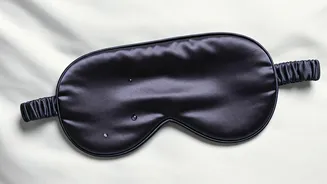
Giving up hair oiling entirely isn't necessary to combat forehead acne; instead, a more strategic approach is required to maintain both healthy hair and clear skin. The key is to modify your application technique and habits. Begin by consciously avoiding applying hair oil too close to your hairline or allowing it to drip directly onto your forehead. When your hair is oiled, make an effort to keep it away from your face. This is especially important during sleep, as contact with your pillow can transfer oil to your face throughout the night. Furthermore, it’s advisable to limit the duration for which you leave oil in your hair, as prolonged exposure increases the potential for pore clogging and subsequent breakouts. Opting for lighter hair oils is also a beneficial strategy. These formulations are less likely to contribute to pore blockage and can still effectively nourish and condition your locks, offering a balanced solution for both hair health and skin clarity.