








Modern Neck Issues
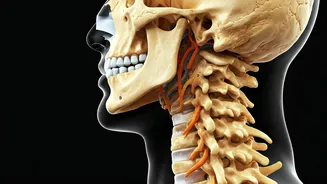
The cervical spine, or neck, is increasingly becoming a point of concern for a younger demographic, something that doctors have started to observe recently.
Hours spent in a hunched position, be it at a desk or while using a mobile phone, places strain on the neck muscles and can lead to problems. This postural stress over time results in alterations within the cervical spine. As a result, neck problems, once more prevalent in older individuals, are now being diagnosed in younger adults. This shift underscores the importance of being aware of early indicators and adopting preventative measures to protect neck health in the long run. The changes in lifestyle, predominantly characterised by prolonged periods spent in front of screens, are a major contributor to the rise in cervical spine issues among younger people.
Recognizing the Signs
Identifying the subtle clues associated with cervical spine problems is critical for timely intervention. A key symptom that warrants attention is neck stiffness, which often indicates muscle strain or even more complex underlying issues. The pain radiating to the arm may suggest nerve compression in the neck, requiring immediate medical evaluation. Pain can also manifest in a variety of ways, sometimes even with headaches, making it a condition that needs attention. Experiencing any of these symptoms should prompt a consultation with a healthcare professional to determine the root cause and receive suitable treatment. Failing to address these early signs can potentially result in the condition worsening, leading to more serious, prolonged pain, and mobility issues. Early diagnosis and action are therefore paramount.
Impact of Daily Life
The manner in which one conducts their daily routine has a direct impact on the health of the cervical spine. Spending excessive time with the neck bent forward, often due to reading, working on a computer, or using a smartphone, is detrimental. These activities force the neck into unnatural positions, adding strain to the muscles and spinal structures. The cumulative effect of these daily habits causes muscle imbalances, postural abnormalities, and degenerative changes over time. Understanding and modifying these habits is crucial to preventing neck problems. This awareness should be coupled with exercises designed to strengthen the neck muscles and promote good posture. Taking frequent breaks from activities that strain the neck can provide much-needed relief and prevent the onset of pain and discomfort.
Seeking Professional Help
When neck pain and stiffness persist, or if the pain radiates into the arm, consulting a healthcare professional is crucial. A medical evaluation can help determine the exact cause of the symptoms, whether it is muscle strain, nerve compression, or a more serious condition. A doctor can conduct a physical examination, review medical history, and perhaps order imaging tests, such as X-rays or an MRI, to gain a thorough understanding. Based on the diagnosis, the doctor will suggest a customized treatment plan, which could include physical therapy, medication, or in rare cases, surgical intervention. Early diagnosis and treatment are essential for preventing the condition from worsening and reducing the risk of long-term complications. The quicker treatment is started, the greater the likelihood of a full recovery and a return to the patient's normal quality of life.