





Introduction: Steamed Delights
Steamed breakfasts are a cornerstone of Indian culinary tradition, celebrated for their lightness, health benefits, and ease of digestion. Unlike fried
or heavily processed options, steaming preserves the nutrients of the ingredients while imparting a unique texture and taste. This approach aligns perfectly with the Indian emphasis on wholesome, balanced meals, providing sustained energy throughout the morning. Steaming also allows the natural flavors of the ingredients to shine, making each dish a delightful experience. These breakfast options cater to various tastes and dietary needs, ensuring there's something for everyone, whether you prefer savory or mildly spiced dishes. Each of the following recipes provides a rich source of essential nutrients, helping you begin your day feeling refreshed and energized.
Idli: South Indian Staple
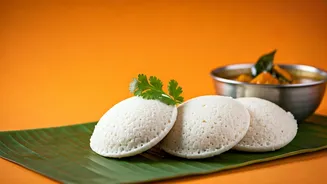
Idli, a steamed savory cake originating from South India, holds a revered spot on the breakfast table. Made from fermented rice and lentil batter, this dish is not only delicious but also remarkably light and easily digestible. The fermentation process enhances the nutritional value, making it a prebiotic-rich food that supports gut health. Preparing idli involves soaking rice and urad dal (black lentils) separately, grinding them into a smooth batter, and allowing it to ferment overnight. This creates the characteristic airy texture and tangy flavor. The batter is then steamed in special idli molds until it puffs up. Served typically with sambar (a lentil-based vegetable stew) and coconut chutney, idli offers a complete and satisfying breakfast. It's also versatile, as it can be modified with different grains and lentils to suit various dietary preferences. This simple yet satisfying meal is a testament to the South Indian culinary approach, emphasizing both taste and well-being.
Dhokla: Gujarati Delight
Dhokla, a beloved steamed snack from Gujarat, is celebrated for its fluffy texture and tangy-sweet taste. Made primarily from fermented batter of gram flour (besan), the preparation includes adding a blend of spices, herbs, and sometimes, a little bit of sugar. The fermentation process, similar to idli, gives dhokla its signature lightness and aids in digestion. The batter is steamed until it rises and sets, then tempered with mustard seeds, curry leaves, and green chilies. This tempering, drizzled over the dhokla, adds an extra layer of flavor and aroma. Dhokla is often served with a coriander chutney and a sprinkle of fresh coriander leaves, making it a flavorful and wholesome breakfast option. Its versatility allows for experimentation with different flavors and textures, with variations like khatta dhokla (sour dhokla) and rava dhokla (made with semolina) being very popular. Whether as a quick snack or a full breakfast, dhokla is a celebration of Gujarati flavors.
Uttapam: Savory Pancake
Uttapam, often described as a savory pancake, hails from South India and shares similarities with idli. Made from a fermented batter of rice and urad dal, uttapam is thicker than a dosa and is often studded with various toppings. These toppings can include chopped onions, tomatoes, chilies, or even vegetables like carrots and capsicum. The batter is poured onto a hot griddle and cooked on one side, allowing the toppings to gently meld into the pancake. Uttapam is then flipped and lightly cooked on the other side. This results in a soft, fluffy base with a delicious combination of textures and flavors. It is typically served with sambar and chutney, offering a complete meal. Uttapam is a customizable dish, allowing home cooks to experiment with different topping combinations, making it a quick, easy, and satisfying breakfast choice.
Modak: Maharashtrian Sweet
Modak, a sweet dumpling originating from Maharashtra, is primarily associated with the Ganesh Chaturthi festival, but it's delicious enough to be enjoyed year-round. These are traditionally steamed, though some variations are fried. The outer covering is made from rice flour, and the filling consists of freshly grated coconut and jaggery or sugar. The modaks are shaped by hand, creating a distinctive, often intricate design. Steaming these preserves the delicate flavor of the coconut and sweetness of the jaggery, resulting in a treat that is both flavorful and satisfying. Modaks represent a balance between textures: the soft, chewy exterior and the moist, sweet filling. They are a cultural icon, and for many, enjoying modaks is associated with festive occasions and cherished memories, making them a significant part of the Maharashtrian culinary landscape.
Puttu: Kerala’s Breakfast
Puttu, a steamed cylindrical dish from Kerala, is a unique and flavorful breakfast option. It is made from coarsely ground rice flour, layered with grated coconut. The mixture is then steamed in a puttu steamer, a long, hollow tube, creating a cylindrical cake. This dish is usually served with kadala curry (black chickpea curry) or with a side of ripe bananas and grated coconut. The steaming process ensures the rice flour is light and fluffy, while the coconut provides a delightful, moist texture and rich flavor. Puttu is often considered a filling and energizing breakfast due to its high carbohydrate content, making it an excellent start to the day. Variations exist, including using different flours like wheat or ragi, and the inclusion of other ingredients like spices. The simplicity of puttu, combined with its cultural significance, makes it a staple in many Kerala households.
Khaman: Another Gujarati Dish
Khaman, another popular Gujarati snack, is very similar to dhokla but with a distinct preparation style and slightly different ingredients. While both are made from fermented gram flour, khaman often includes a mix of lentils and spices. The batter is steamed until it becomes light and spongy. Once steamed, it's typically tempered with mustard seeds, curry leaves, and chilies, like dhokla, but may also include a blend of ginger and green chilies. Khaman has a lighter, airier texture than dhokla, which makes it an excellent choice for a morning meal. It's often served with coriander chutney and sev (thin, crispy chickpea flour noodles). Khaman's taste profile is often a balance between savory, tangy, and mildly spiced flavors. It is a perfect breakfast when you want a quick, delicious, and low-oil meal.
Momos: Himalayan Influence
Momos, steamed dumplings that trace their roots to the Himalayas, are now a beloved street food and breakfast option in many parts of India. These dumplings typically contain a filling of minced vegetables, sometimes with the addition of meat or cheese, all enclosed in a thin dough wrapper made from refined wheat flour. They are steamed to perfection, resulting in a soft, tender exterior and a flavorful, juicy filling. The momos are usually served with a spicy chili garlic sauce and sometimes with a tomato-based chutney, complementing the savory filling. This dish caters to a wide variety of tastes, providing options for both vegetarians and meat-eaters, making it accessible and popular. The simplicity of momos makes them a quick and easy breakfast choice, appreciated for their bold flavors and convenience.
Idiyappam: String Hoppers
Idiyappam, known as string hoppers, is a South Indian breakfast dish made from rice flour. The rice flour dough is pressed into thin, noodle-like strands, then steamed. The resulting dish has a unique, delicate texture that is light and fluffy. They are often served with a variety of accompaniments, including vegetable stews, coconut milk, or egg curry. The mild flavor of the idiyappam pairs perfectly with the rich and spicy curries commonly served alongside them. This combination offers a balanced breakfast, contrasting textures and flavors. Idiyappam requires a special equipment for the preparation process, which includes an idiyappam maker or sevai machine, adding a little uniqueness to the dish. This meal is both simple and wholesome, making it a popular choice for breakfast in many South Indian households.
Thukpa: Tibetan Noodles
Thukpa, a hearty noodle soup originating from Tibet and popular in the Himalayan regions of India, can make a comforting and filling breakfast. This soup typically includes thick wheat noodles in a flavorful broth, often with vegetables and, sometimes, meat. The broth is usually seasoned with aromatic spices, which gives the soup depth and warmth. While not technically steamed, the noodles are often cooked using steam and the final dish is a hearty way to kickstart your day. Thukpa is a versatile dish, with many regional variations that showcase the flavors of local ingredients. The combination of noodles, vegetables, and broth offers a nutritious and satisfying meal, perfect for cooler mornings. Thukpa is easily adaptable to different tastes and dietary needs, ensuring that anyone can enjoy its flavorful comfort.