






Mindset and Resilience
Maintaining fitness during travel hinges on cultivating mental fortitude and treating exercise as a non-negotiable lifestyle, not a chore. The goal isn't
perfection but consistent effort, aiming for a baseline of 3-4 days of strength training, regular cardio, and significant daily activity, alongside mindful calorie and protein monitoring. If a year-round commitment has been established, travel should be embraced as a reward, allowing for flexibility without guilt. However, if travel typically leads to a complete derailment, it's crucial to address underlying discipline issues first. Building a solid fitness foundation over 3-4 months of consistent effort before planning trips as an escape route is key to preventing this cycle and ensuring travel becomes a natural extension of a healthy lifestyle.
Strategic Travel Planning
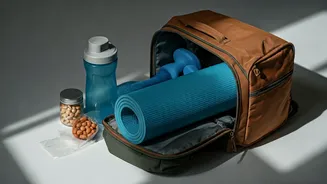
Effective travel fitness requires intelligent preparation, particularly regarding nutrition and equipment. A common oversight is adequate protein intake, which can be challenging to secure with clean meals, especially in remote or vegetarian-friendly destinations. To counter this, packing whey protein sachets or protein bars acts as a simple safeguard against consuming high-calorie, less nutritious snacks. Furthermore, resistance bands are invaluable; they are compact yet can provide a workout comparable to a gym session. If a gym is accessible, focus on a full-body routine with moderate intensity, shorter rest periods, and added cardio, prioritizing movement and recovery over personal bests during travel. This strategic approach ensures you have the tools and plan to stay active regardless of your surroundings.
Embrace Active Exploration
Transform your travel experience by embedding movement into your exploration. Instead of succumbing to the temptation of a luxurious hotel room, actively engage with your surroundings. This means choosing to walk, hike trails, take morning strolls along the beach, or ascend hills. By opting for exploration over pure comfort, you not only discover new places and cultures but also significantly boost your physical activity levels. This integration of movement into sightseeing is far more rewarding than sedentary rest, leading to a sense of accomplishment and the release of mood-enhancing endorphins, making you feel as good as you look.
Intermittent Fasting Tool
Intermittent fasting (IF) can serve as a beneficial strategy for managing your eating schedule while traveling, particularly when aiming to enjoy evening meals without post-meal anxiety about weight gain. The core principle involves extending the time between your last meal and your first meal of the next day. However, the effectiveness of IF during travel is highly dependent on maintaining an active lifestyle, as emphasized in the 'Embrace Active Exploration' section. The increased physical activity helps to balance energy expenditure with intake, ensuring that the delayed eating window supports your fitness objectives rather than hindering them. This approach allows for greater flexibility in dining without compromising your health commitments.
Hydration and Protein Priority
Prioritizing water intake and protein-rich foods is fundamental to maintaining energy levels and satiety throughout your travels, preventing lethargy and supporting an active itinerary. Starting your day with a protein source like eggs, chicken, or paneer, prepared with minimal oil, sets a positive tone. This focus on lean protein and sufficient hydration helps curb unnecessary hunger and provides the sustained energy needed for exploration. When dietary protein options are limited, revisiting your packed essentials like protein bars or sachets becomes crucial, ensuring you consistently meet your nutritional needs and stay energized without resorting to calorie-laden fried alternatives.