
Stress: A Silent Culprit
Many working adults, specifically those aged 25-45, often find themselves perplexed when their weight stubbornly refuses to budge, despite their earnest
efforts to shed pounds through dietary restrictions. However, the explanation for this phenomenon may not reside solely in what they eat, but also in the invisible force of chronic stress. This kind of stress, prevalent in today's fast-paced, demanding work environments, acts as a significant contributor to obesity. It disrupts the body’s metabolic processes in subtle but potent ways, influencing the storage and utilization of energy, and making weight management a challenging battle for countless individuals. The constant pressure of deadlines, financial burdens, and societal expectations trigger the release of stress hormones, which, when chronically elevated, trigger physiological changes that promote weight gain.
Metabolism's Stressful Transformation
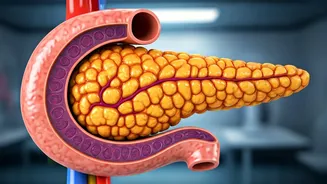
The insidious impact of chronic stress extends to the very engine of the body—the metabolism. When the body perceives stress as a continuous threat, it responds by activating the hypothalamic-pituitary-adrenal (HPA) axis, leading to the sustained release of cortisol, the primary stress hormone. High cortisol levels set off a cascade of metabolic consequences that are counterproductive to weight loss. Firstly, cortisol elevates blood sugar levels, prompting the pancreas to release more insulin. This can lead to insulin resistance over time, where cells become less responsive to insulin, leading to increased fat storage, particularly in the abdominal area. Moreover, cortisol can directly promote fat storage by increasing the activity of enzymes involved in fat production, and it also slows down the metabolism, reducing the rate at which the body burns calories, further contributing to weight gain and making fat loss a more arduous journey.
Dieting in a Stressful World
The conventional approach to weight loss usually involves calorie restriction and increased physical activity, strategies that can be effective under normal circumstances. However, when combined with chronic stress, these methods often yield disappointing results. The body's stress response can override the benefits of a well-structured diet, leading to cravings for high-calorie, sugary, and fatty foods, as the body seeks a quick source of energy and comfort. Moreover, high stress levels can interfere with sleep patterns, and lack of sleep is strongly associated with increased appetite and cravings. Consequently, individuals find themselves caught in a vicious cycle: stress triggers the need to eat more, sleep less, and the inability to lose weight, despite their best dietary efforts. This can be profoundly frustrating, creating a sense of failure and further exacerbating the stress response, thus compounding the problem.
Integrative Care Strategies
Recognizing the intricate relationship between stress and weight gain, integrative care offers a holistic approach to managing both conditions concurrently. Rather than focusing solely on diet and exercise, integrative care addresses the underlying causes of stress and its impact on the body. This involves a variety of strategies, including mindfulness practices, meditation, yoga, and other relaxation techniques designed to reduce stress hormones and promote a sense of calm. Additionally, lifestyle modifications, such as regular sleep schedules, spending time in nature, and nurturing social connections, can help buffer the effects of stress. Furthermore, integrative approaches might integrate nutritional counselling that emphasizes whole, unprocessed foods and avoids restrictive dieting, ensuring that the body receives the necessary nutrients while simultaneously supporting mental and emotional well-being.
Finding a Sustainable Path
Successfully addressing stress-induced obesity requires a long-term commitment to holistic well-being. It is important to acknowledge that weight management is not merely about calories, but also about managing stress. Individuals facing this challenge must develop personalized strategies that address both their physical and emotional needs. It is essential to seek the guidance of healthcare professionals who have experience with integrative care, including doctors, nutritionists, and therapists. Developing a supportive network of family and friends can also provide crucial emotional support and accountability. By embracing a balanced approach that combines stress management techniques with mindful eating and regular physical activity, working adults can overcome the obstacles of stress-induced weight gain and embark on a sustainable path to better health and well-being, achieving lasting positive changes in their physical and mental health.