





Ocean's Vitamin D Bounty
The ocean provides some of the most potent natural sources of Vitamin D, making regular consumption of certain fish a cornerstone for maintaining adequate
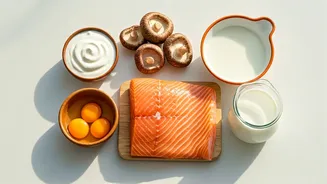
levels. Varieties like salmon, mackerel, sardines, and tuna are packed with this essential nutrient, with just a single serving contributing significantly to your daily needs. Imagine enjoying a flavorful grilled salmon fillet or a hearty sardine curry; these dishes are not only delicious but also powerful allies in your quest to get enough Vitamin D. Incorporating these fatty fish into your weekly meals can make a substantial difference in addressing deficiencies and supporting your body's functions, from bone strength to immune response. Their rich nutrient profile makes them a top choice for anyone looking to naturally enhance their Vitamin D intake through their diet.
Eggs: A Versatile Source
Eggs offer a wonderfully accessible and versatile way to supplement your Vitamin D intake, with the nutrient primarily residing in the yolk. Whether you prefer them boiled, scrambled into a fluffy omelet, or incorporated into a rich egg curry, their inclusion in your meals can help bridge the gap caused by deficiency. For those who have the option, choosing free-range or farm-fresh eggs is often recommended, as these eggs may naturally contain higher levels of Vitamin D compared to their commercially farmed counterparts. This common household staple provides a convenient and palatable method for boosting your body's Vitamin D reserves, contributing to your overall health and vitality without requiring significant dietary overhauls.
Mushroom's Sunny Side
For plant-based eaters and those seeking vegetarian options, certain mushrooms stand out as excellent sources of Vitamin D, particularly those cultivated under ultraviolet (UV) light. These fungi can absorb UV radiation and convert it into Vitamin D, offering a valuable contribution to a plant-focused diet. You can easily integrate them into various dishes, from vibrant stir-fries and comforting soups to flavorful pasta sauces, adding both taste and a significant nutritional boost. By choosing UV-exposed mushrooms, individuals can effectively enhance their Vitamin D levels, ensuring that even without animal products or fortified foods, a natural dietary pathway to sufficient intake is readily available. This makes them a staple for anyone prioritizing a well-rounded, nutrient-rich, and inclusive diet.
Fortified Dairy Staples
Many mainstream dairy products are now fortified with Vitamin D, making them an easy and widespread solution for increasing intake. Cow's milk, yogurt, and various cheeses are frequently enhanced, providing a simple way to meet your daily requirements with common pantry items. A glass of fortified milk or a serving of yogurt can offer a significant boost, which is particularly beneficial for children and adults who might not consume enough fish or eggs. This fortification process ensures that these everyday foods act as reliable carriers of Vitamin D, supporting bone health and immune function across a broad spectrum of consumers, making them a crucial part of a balanced diet for many households.
Plant Milk Power-Up
Navigating dietary restrictions or preferences is made simpler with the availability of fortified plant-based milks. For individuals who are lactose intolerant, vegan, or simply prefer non-dairy alternatives, soy milk, almond milk, and oat milk often come enriched with Vitamin D. These beverages are widely accessible and can be seamlessly incorporated into your daily routine, whether blended into smoothies, added to your morning coffee, or poured over cereal. They offer a robust alternative for ensuring adequate Vitamin D consumption, proving that dietary choices, even those avoiding traditional dairy, can still effectively support essential nutrient levels and contribute to overall wellness.
Cereal & Juice Boosts
Starting your day with fortified breakfast cereals offers a convenient and accessible method for elevating your Vitamin D intake. Many popular cereal brands undergo fortification, turning a simple meal into a significant source of this vital nutrient. Pairing these cereals with milk or a plant-based alternative further enhances the nutritional value. Similarly, some brands of orange juice are also fortified with Vitamin D, presenting a refreshing beverage option for those who might not favor milk-based products or who simply enjoy a citrusy start to their day. Always reviewing product labels ensures you are selecting options that actively contribute to your daily Vitamin D needs, making breakfast a dual-purpose meal.
Cod Liver Oil's Potency
While perhaps less common in modern diets, cod liver oil remains an exceptionally concentrated source of Vitamin D. A single spoonful can provide substantially more than the recommended daily intake, making it a powerful supplement for rapid replenishment. However, due to its potency, it's advisable to consume it in moderation and ideally under guidance to avoid overconsumption. This traditional remedy offers a direct and highly effective way to address significant deficiencies, serving as a potent, albeit concentrated, dietary aid for those needing a serious boost of the sunshine vitamin.
Cheese and Paneer Contributions
Certain cheeses, such as Swiss and cheddar, naturally contain modest amounts of Vitamin D, contributing to your overall intake when consumed regularly as part of a varied diet. While not as potent as fatty fish or fortified products, their presence in meals adds to the cumulative benefit. In India, dairy products like paneer can also play a role, especially if fortified or naturally containing Vitamin D. Incorporating paneer into traditional dishes, whether curries or snacks, ensures you are not only getting a good source of protein but also a potential boost of essential Vitamin D, making local culinary staples valuable allies in maintaining nutrient balance.