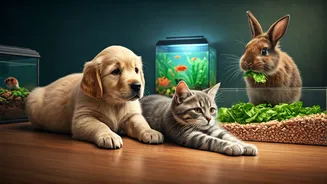








Tiny Hands, Big Lessons
For children aged three to five, fish offer a gentle introduction to the concept of caring for another living being. The simple act of observing and assisting
with feeding establishes a rudimentary routine, helping preschoolers grasp that a creature depends on them. This foundational sense of responsibility is vital for developing other essential life skills. The vibrant and dynamic nature of an aquarium naturally sparks curiosity, encouraging young minds to observe patterns and colours, laying early groundwork for scientific inquiry. This low-pressure environment allows for the initial understanding of commitment and the needs of others, setting a positive precedent for future pet ownership and personal growth.
Interactive Companionship
Between the ages of six and eight, children are ready for more interactive animal friends, making guinea pigs and hamsters ideal choices. These small, manageable, and gentle creatures require daily attention, instilling a sense of commitment. Children at this stage can directly observe the cause-and-effect of their actions; for example, neglecting cage cleaning leads to immediate consequences, making abstract concepts tangible. This experience directly teaches them about accountability. Furthermore, engaging with these furry pets helps develop empathy as children learn to interpret their body language and respond to their needs, encouraging them to consider perspectives beyond their own.
Curiosity and Independence
For children aged nine to eleven, introducing a pet like a bird (budgies or cockatiels) or a beginner-friendly reptile (leopard geckos) encourages a deeper dive into research and understanding. These pets necessitate learning about their specific dietary, environmental, and behavioural needs before and during ownership. This age group is capable of taking initiative in the research process, mirroring the independent learning skills vital for academic success. For instance, investigating a gecko's dietary requirements or a bird's optimal habitat fosters self-directed learning. Birds, in particular, can also enhance language development as many species are responsive to vocal interaction, providing children with a unique incentive to practice communication.
Navigating Emotional Growth
During the middle school years, from twelve to fourteen, cats serve as excellent companions for navigating complex emotions. Their independent personalities and clearly defined boundaries teach tweens the crucial skill of respecting others' needs and moods. Cats don't always respond on demand; they make their desires known, offering a realistic model for managing interpersonal relationships and social dynamics. The act of petting a cat has been shown to reduce cortisol levels and anxiety, providing emotional grounding during a period of significant personal change and academic pressure. This interaction helps improve attention and reduces stress markers, enhancing a child's capacity for learning.
Ultimate Responsibility
Teenagers, aged fifteen and above, are well-equipped for the commitment and reward of caring for a dog. Dogs demand daily walks, consistent training, feeding schedules, and significant emotional input, preparing teens for the responsibilities of adulthood by requiring them to undertake a meaningful share of this care. This ensures follow-through and discipline, as a dog's needs are present regardless of personal inclination. The strong bond formed offers a profound sense of purpose. Additionally, dogs encourage physical activity and outdoor time, promoting mental well-being and focus during demanding academic periods. This hands-on experience with a pet cultivates habits and skills that classroom learning cannot replicate, naturally fostering responsibility, empathy, patience, and curiosity.