
Plan Your Meals
Effective meal planning is the foundation of easy, healthy eating. Start by setting aside some time each week to plan your meals. Consider your schedule
and choose recipes that fit your time constraints. Create a shopping list based on your meal plan to avoid impulse buys and ensure you have all the necessary ingredients. Utilize online resources, such as recipe websites or apps, to find meal ideas and create shopping lists. Batch cooking can also save you time. Prepare larger portions of meals like soups, stews, or grains and store them in the fridge or freezer for quick access during busy days. This strategic approach minimizes decision fatigue during the week and supports consistent healthy choices. Additionally, always keep some non-perishable food items such as nuts, seeds, and canned food as a backup to help you overcome your hunger pangs and stay on track with your healthy eating goals. By carefully pre-planning, you have the flexibility to adjust your plans according to unforeseen circumstances.
Stock Your Kitchen
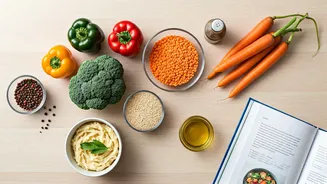
A well-stocked kitchen is essential for making healthy eating easier. Focus on stocking up on versatile ingredients that can be used in multiple meals. Essentials like whole grains (rice, quinoa), beans, and lentils are great for building balanced meals. Have a variety of fresh or frozen vegetables and fruits on hand. They are convenient and can be added to any meal. Keep your pantry filled with healthy fats such as olive oil, nuts, and seeds. Stocking your freezer with lean proteins such as chicken breasts or fish makes it simple to prepare quick meals. Consider including items like low-sodium canned tomatoes, broth, and herbs and spices to enhance flavors without adding too many calories. By having these ingredients readily available, you minimize the temptation to order takeaway or grab unhealthy snacks. Regularly check and replenish your supplies to maintain an efficient and healthy kitchen environment.
Quick and Simple Recipes
Embrace quick and simple recipes to make healthy eating a daily reality. Opt for recipes that require minimal prep time and use readily available ingredients. Salads are a good choice; they can be customized with different combinations of vegetables, protein, and dressings. Stir-fries are another great option as they cook quickly and can incorporate a variety of vegetables and proteins. Omelets and scrambled eggs are fast and nutritious for breakfast or dinner. Consider meals like whole-wheat pasta with vegetables and a simple sauce. Soups and stews can be made in large batches and reheated throughout the week, offering a convenient and balanced meal. Focus on techniques like one-pan meals or sheet-pan cooking to reduce cleanup and save time. Keep a collection of go-to recipes that you can prepare with confidence, making healthy eating a stress-free experience.
Smart Food Choices
Making smart food choices is crucial for maintaining a healthy diet. Pay attention to portion sizes to prevent overeating. Use smaller plates and bowls to control your intake. Choose whole, unprocessed foods over packaged or processed options. Read food labels carefully and be mindful of added sugars, sodium, and unhealthy fats. Focus on consuming plenty of fruits and vegetables, as they are packed with essential nutrients and fiber. Opt for lean protein sources, such as poultry, fish, beans, and lentils. Limit your intake of processed snacks, sugary drinks, and fast food. Stay hydrated by drinking plenty of water throughout the day. Listen to your body's hunger cues and eat mindfully. Make gradual changes to your eating habits rather than attempting to overhaul your diet at once. These small, sustainable changes make it easier to maintain healthy eating habits long term.