



Why Hair Falls in Summer
The sweltering Indian summers, often exceeding 40 degrees Celsius, present a formidable challenge for hair health. Increased heat triggers higher sweat
and oil production on the scalp, creating an environment where sweat mingles with pollutants and product residue. This mixture can lead to scalp irritation and progressively weaken hair roots, particularly for individuals already battling conditions like dandruff or an oily scalp. Compounding these issues, intense UV radiation dries out hair shafts, damaging the protective outer cuticle layer and causing hair to lose moisture at an accelerated rate. Frequent hair washing to combat sweat, exposure to hard water and swimming pool chlorine, tight hairstyling of wet hair, and even dehydration or crash dieting, all contribute to the heightened hair fall experienced during this period. Ultimately, summer hair fall is a dual problem, affecting both the scalp and the hair's texture, and thus requiring a multi-faceted approach to manage effectively.
The Role of Hair Oil
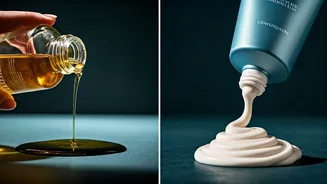
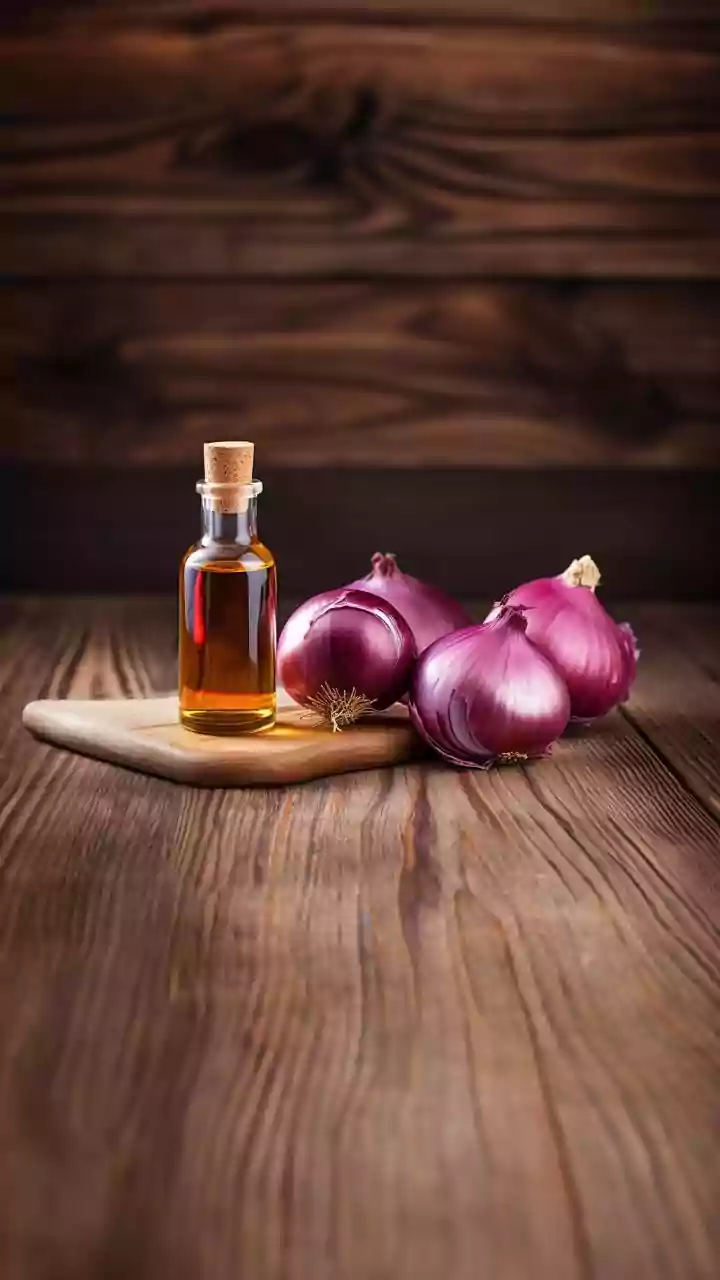
In many Indian households, hair oiling is a deeply ingrained tradition, often associated with nurturing and self-care. When applied correctly, hair oils offer significant benefits, primarily focusing on the health of the scalp and hair roots. Through massage, they aid in improving blood circulation to the scalp, which can foster a healthier environment for hair growth. Oils are instrumental in combating dryness and can help prevent protein loss from the hair shaft, thereby strengthening it. Certain oils also possess anti-inflammatory properties that can soothe a stressed scalp. Coconut oil, a popular choice, penetrates the hair shaft effectively, reducing protein damage and leaving hair feeling softer and more resilient, especially after a pre-wash massage. Other beneficial oils include bhringraj, rosemary, almond, and onion oils, each offering unique advantages for hair fall concerns. However, the key lies in moderation; excessive oiling, particularly in humid summer conditions, can lead to clogged pores, trap dirt and sweat, exacerbate dandruff, and create a greasy scalp. Leaving heavy oils on overnight during peak heat may not be suitable for everyone, potentially causing scalp irritation. Dermatologists now often advise lighter, shorter oiling sessions, around 30-45 minutes before shampooing, as being sufficient for most individuals.
The Function of Conditioner
Conditioner serves a fundamentally different purpose than hair oil, primarily addressing the condition of the hair strands themselves rather than the scalp. The summer's heat causes the hair's outer cuticle layer to lift, leaving the strands rough, dry, prone to tangling, and susceptible to breakage. Many individuals mistake this breakage for actual hair fall, when in reality, it's a consequence of dryness. Conditioner works by smoothing down this raised cuticle layer, effectively sealing in moisture, reducing frizz, and making the hair feel softer. This smoothing action also makes the strands less likely to snap during combing or styling. Given the increased frequency of shampooing in summer due to sweat, conditioner becomes an indispensable part of maintaining hair health. A prevalent misconception is that conditioner causes hair fall, often stemming from the observation of loose strands during rinsing, which were typically already detached before conditioning. In truth, regular conditioning actively prevents unnecessary breakage, especially for hair types that are naturally more vulnerable. This includes curly, chemically treated, colored, wavy, and long hair frequently exposed to the sun. Failing to condition after shampooing can leave hair brittle and prone to damage.
Oil and Conditioner: The Verdict
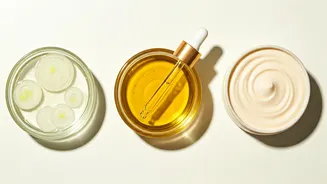
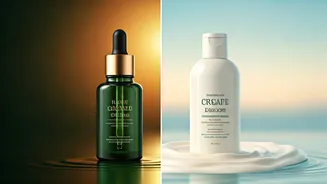
When it comes to combating hair fall during the summer months, neither hair oil nor conditioner is a singular magical solution; they each address distinct aspects of hair health. Hair oil is primarily beneficial for nurturing the scalp and its roots, helping to alleviate dryness, irritation, and promoting a healthier environment for growth. Conversely, conditioner focuses on the hair strands, repairing damage to the cuticle, locking in moisture, and preventing breakage that can be mistaken for hair fall. If your primary concern is a dry, flaky, or itchy scalp, a light application of hair oil might be more effective. However, if your hair feels rough, tangles easily, and breaks frequently when brushed, then prioritizing conditioner is crucial. For most individuals experiencing summer hair fall, a combination of both, used judiciously, is the most effective strategy. This approach ensures both the scalp's well-being and the integrity of the hair strands are maintained, leading to healthier, more resilient hair throughout the hot season.
Ideal Summer Hair Routine
Achieving healthy hair during the Indian summer does not necessitate an overly complicated or expensive regimen; consistency and a focus on fundamental needs are paramount. A healthy routine revolves around maintaining a clean scalp, ensuring adequate moisture, minimizing heat damage, and supporting overall well-being through good nutrition. For hair fall concerns, a balanced approach includes light oiling once or twice a week, using a gentle shampoo suitable for your scalp type, and applying conditioner after every wash. It's also vital to avoid excessive heat styling and protect your hair from harsh sun exposure. Staying well-hydrated and consuming a diet rich in protein and iron are critical internal factors that significantly influence hair health. Poor nutrition, stress, lack of sleep, and dehydration can severely contribute to hair fall, and no topical treatment can fully compensate for an exhausted body. For oils, coconut, rosemary, bhringraj, almond, and argan oils are beneficial, though very thick formulations might be uncomfortable in humid cities. Lightweight, hydrating conditioners containing ingredients like keratin, argan oil, shea butter, coconut milk, hyaluronic acid, or aloe vera are recommended, with the caveat to avoid direct scalp application unless specified. Ultimately, a simple, consistent routine that prioritizes scalp health, strand nourishment, and overall body vitality is the most effective way to manage summer hair fall.