



Malabar Spinach Unveiled
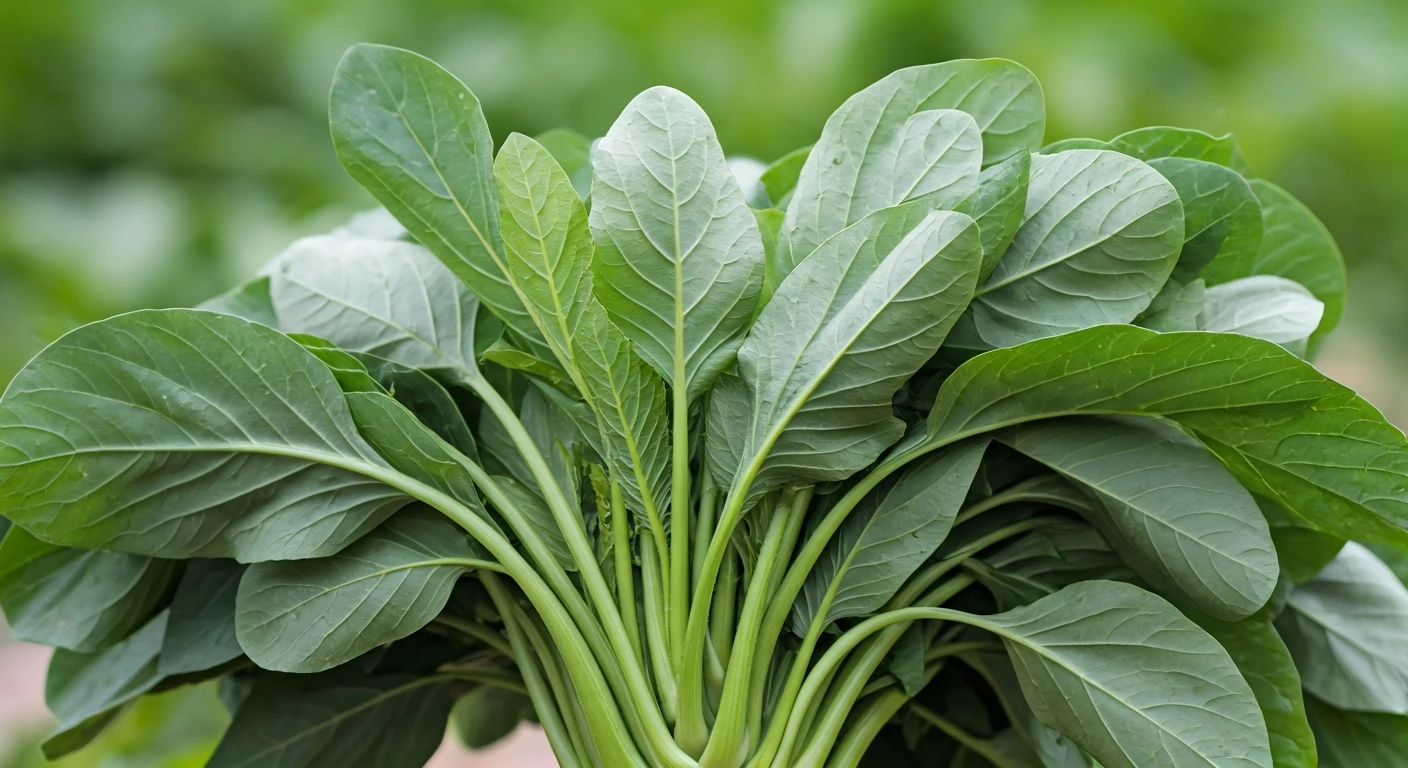
Malabar spinach, often mistaken for spinach, is a leafy green with a subtly peppery flavor, thriving in warm climates, and is a fantastic source of vitamins
A and C, along with essential minerals. Its vibrant, fleshy leaves can be enjoyed in various ways – steamed, stir-fried, or added raw to salads for a nutritional boost and a pop of color. The plant's versatility makes it a valuable addition to diverse culinary traditions, blending into both traditional Indian dishes and contemporary recipes. It's a low-maintenance, high-yield plant, making it ideal for home gardens, providing a sustainable source of nutrients and a unique flavor profile to enhance the diet.
Purslane's Nutritional Power
Purslane, often considered a weed, is a succulent green packed with omega-3 fatty acids, making it a valuable addition to any diet, and also contains vitamins and minerals, promoting overall health. Its slightly sour and salty taste lends itself to salads, soups, and even sandwiches. The leaves and stems can be eaten raw or cooked, offering a crunchy texture and a refreshing flavor. Purslane grows readily in many climates and is easy to cultivate, making it a sustainable choice for home gardens and local markets. Incorporating purslane into your diet offers a simple yet impactful way to increase your intake of vital nutrients.
Gotu Kola's Benefits Explored
Gotu Kola, a vibrant green herb, has long been revered in traditional medicine for its cognitive and healing properties. Known for improving memory and concentration, it also possesses anti-inflammatory qualities, and is often used in teas and supplements. Gotu Kola's delicate, fan-shaped leaves are commonly used in salads, smoothies, and juices. Its mild, slightly bitter taste can add depth to various dishes. Cultivating Gotu Kola is relatively simple, and it thrives in moist environments. Including Gotu Kola in your diet may contribute to improved brain function and overall wellness. Its ability to support mental clarity makes it an excellent addition to a balanced diet.
Colocasia Leaf Delight
Colocasia leaves, also known as taro leaves, are large, heart-shaped greens rich in vitamins and minerals, commonly used in various cuisines across India. It is essential to cook the leaves before consumption, as they contain calcium oxalate crystals that can cause irritation. Once cooked, Colocasia leaves become a versatile ingredient for curries, stews, and snacks. The leaves contribute a unique, slightly earthy flavor to dishes, along with their nutritional benefits. The preparation methods can vary across regions, reflecting the adaptability of this nutritious plant in different culinary practices. Its vibrant green color and distinctive flavor make it a valuable component of a healthy diet.
Moringa Leaf Marvel
Moringa leaves, often referred to as the 'miracle tree,' are exceptionally nutritious, packed with vitamins, minerals, and antioxidants, and are known for their health-promoting properties. The leaves can be consumed fresh, dried, or powdered, offering various ways to incorporate them into your diet. Moringa has a mild, slightly nutty flavor, and its versatility makes it perfect for smoothies, soups, and teas. The plant grows quickly in warm climates, making it an accessible source of nutrition in many regions. Adding moringa leaves to your meals is an easy way to boost your daily nutrient intake and support overall well-being. Its versatility and high nutritional content make it a remarkable superfood.
Fiddlehead Ferns Unveiled
Fiddlehead ferns, young, coiled fern fronds, provide a unique culinary experience, and are a seasonal delicacy in many regions. They are a good source of vitamins and antioxidants, and their unique appearance adds visual appeal to meals. Before consuming, these ferns must be properly cooked to remove potential toxins. After proper preparation, the ferns have a delicate, slightly grassy flavor, which makes them ideal for stir-fries, salads, and side dishes. Fiddlehead ferns are mostly harvested during springtime, and their short season adds a sense of anticipation and appreciation to their culinary use. Their distinctive flavor and nutritional value make them a sought-after ingredient.
Stinging Nettle Benefits
Stinging nettle, known for its stinging hairs, transforms into a nutritional powerhouse once cooked or processed. It is rich in vitamins, minerals, and anti-inflammatory compounds, and is also commonly used in herbal medicine. When cooked, stinging nettle loses its stinging property, and the leaves can be added to soups, stews, and teas. Its flavor is similar to spinach, with a slightly earthy undertone, adding depth and nutrition to various dishes. Stinging nettle can provide numerous health benefits, making it a valuable addition to a balanced diet. Its high iron content is particularly beneficial, and it supports overall well-being.
Bharangi's Medicinal Power
Bharangi, a medicinal plant, is widely recognized in Ayurveda for its respiratory and anti-inflammatory properties, and is commonly used in traditional Indian medicine. The leaves and roots are often used to make herbal remedies, providing relief from coughs, colds, and other respiratory ailments. Bharangi has a slightly bitter taste, adding complexity to herbal formulations. Its medicinal properties contribute to improved respiratory health and boost overall wellness. Incorporating Bharangi into your diet or herbal practices can be beneficial for managing respiratory conditions and promoting health.