




Heart-Healthy Vegetarian Choices
Nourishing your heart is paramount, and a vegetarian diet offers a fantastic pathway. Many vegetarian recipes are inherently rich in fiber and lower in saturated
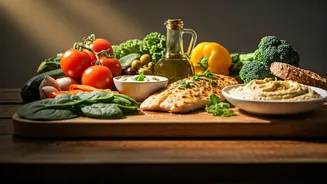
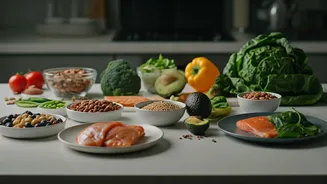
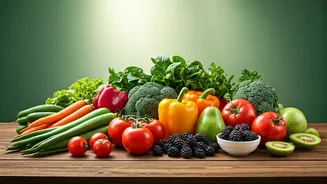
fats, contributing positively to cardiovascular health. Think of meals brimming with whole grains, legumes, and an abundance of colorful vegetables. For instance, incorporating a variety of fruits and vegetables ensures a steady intake of antioxidants and essential vitamins that protect your heart. The emphasis on plant-based proteins, such as lentils and beans, can also help manage cholesterol levels. Exploring options like vegetarian Mediterranean diet recipes, which are frequently highlighted for their heart-beneficial ingredients, can guide you toward delicious and health-promoting meals. These diets often feature healthy fats from olive oil, nuts, and seeds, further supporting a healthy cardiovascular system. Remember, consistent choices in your diet directly impact long-term heart well-being, making vegetarian eating a powerful tool.
Boosting Protein Intake
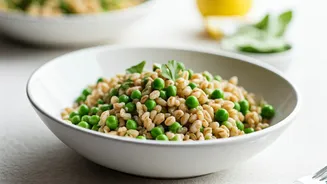
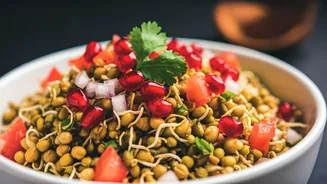
For those seeking to enhance their protein intake within a vegetarian framework, numerous exciting avenues exist. It's a common misconception that vegetarian diets are inherently low in protein; however, strategic food choices can easily meet and exceed daily requirements. Legumes, including beans, lentils, and chickpeas, are protein powerhouses that can be incorporated into a vast array of dishes, from hearty stews to vibrant salads. Tofu and tempeh, versatile soy-based products, also offer significant protein and can be prepared in countless ways, absorbing flavors beautifully. Nuts and seeds provide not only protein but also healthy fats and essential minerals. Consider adding them to your breakfast cereals, yogurts, or as crunchy toppings for salads and main courses. Even seemingly simple staples like whole grains contribute to your protein total. Exploring high-protein vegetarian meal plans, often curated by dietitians, can provide structured guidance and introduce you to innovative recipes that maximize protein content without relying on animal products. This focus ensures satiety and supports muscle health.
Gut Health Foundations
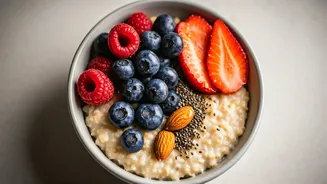
Cultivating a thriving gut microbiome is crucial for overall health, and a vegetarian diet can be exceptionally supportive of this goal. The high fiber content prevalent in plant-based foods acts as a prebiotic, feeding the beneficial bacteria in your digestive system. Fermented foods, such as yogurt (if dairy is consumed) and certain plant-based alternatives, can introduce probiotics that further enhance gut flora balance. Incorporating a wide spectrum of fruits, vegetables, and whole grains ensures a diverse intake of fibers, which is key to a resilient gut. Think about including foods known for their gut-friendly properties, like oats, apples, and cruciferous vegetables. Meal plans focusing on gut health often emphasize simplicity and the use of whole, unprocessed ingredients. By prioritizing these nutrient-dense, fiber-rich foods, you are actively contributing to a healthier digestive system, which in turn can influence everything from immunity to mood. Understanding the connection between diet and gut health empowers you to make informed choices that benefit your entire body.
Efficient Meal Planning
Streamlining your vegetarian meals can be achieved through effective planning, especially for busy individuals. Ready-in-under-30-minutes recipes are a lifesaver for weeknights, offering delicious and nutritious options without consuming excessive time. One-pot meals are particularly brilliant for minimizing cleanup and maximizing flavor infusion, making them perfect for those aiming for efficiency. Consider recipes that utilize slow cookers for hands-off preparation, allowing ingredients to meld into tender, flavorful dishes with minimal effort. Batch cooking components like grains or roasted vegetables can also save significant time during the week, enabling quicker assembly of meals. Furthermore, embracing meal prep strategies, such as chopping vegetables or making sauces ahead of time, significantly reduces cooking time on busy days. Many resources offer curated vegetarian meal plans, including no-sugar or high-protein variations, designed by experts to simplify your grocery shopping and cooking routines. These plans often provide balanced nutrition and variety, ensuring you don't fall into a repetitive eating pattern.