





Connecting Growth Hubs
The Mumbai Metropolitan Region (MMR) is witnessing unprecedented suburban expansion, particularly in areas like Dombivli, Kalyan, Ulhasnagar, Ambernath,
Vithalwadi, and Badlapur. While residential development has surged, road infrastructure has lagged, creating connectivity challenges. The ambitious Airoli–Katai Naka high-speed corridor is designed to address this, aiming to bridge the gap by enhancing access to Mumbai, Navi Mumbai, and Thane. This vital link is envisioned to foster continued urban development across the eastern MMR, ensuring that infrastructure keeps pace with population growth and economic activity. By providing a more direct and efficient route, the project seeks to integrate these rapidly expanding suburbs more effectively into the broader metropolitan fabric, facilitating easier movement for residents and businesses alike. It's a strategic move to support the burgeoning needs of these areas and unlock their full potential. This initiative is poised to become a significant driver for regional progress and improved quality of life for its inhabitants.
Phased Opening & Engineering Marvels
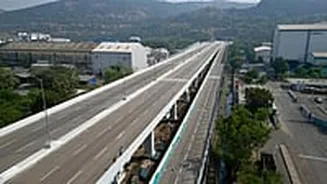
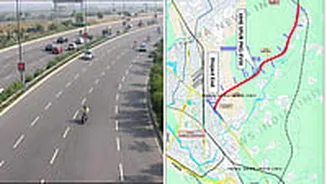
This significant infrastructure project, spanning 12.7 km, is strategically being rolled out in phases to allow early benefits for commuters. The initial two phases are slated to commence operations by December, with the full corridor targeted for completion by October 2028. This phased approach ensures that parts of the route are accessible while construction on the remaining sections continues. The corridor incorporates sophisticated engineering, featuring two substantial twin tunnels, each approximately 1.69 km in length. These tunnels are designed to accommodate three traffic lanes plus an emergency lane, ensuring smooth and safe passage. Complementing the tunnels are elevated road sections, including a 3.43 km stretch connecting Thane-Belapur Road to National Highway 4, and a 2.57 km segment linking Airoli Bridge to Thane-Belapur Road. This intricate design is geared towards facilitating uninterrupted, high-speed travel and is engineered to manage escalating traffic volumes well into the future.
Commute Time Revolution
The impact of the Airoli–Katai corridor on daily travel is expected to be transformative. Commuters can anticipate a reduction in travel time between Navi Mumbai and the Kalyan-Dombivli region by approximately 40 minutes. Furthermore, the overall travel distance will be shortened by about 8 km. For the countless individuals who navigate these routes daily between their homes in the suburbs and their workplaces, this project promises substantial relief. It translates to less time spent in traffic, reduced fuel consumption, and a significant decrease in the stress associated with long commutes. Currently, travellers often face lengthy detours via Thane or Mahape, leading to severe congestion and prolonged journeys. The new corridor offers a direct, efficient alternative, aiming to redefine mobility within the MMR and serve as a crucial alternative artery for traffic.
Regional Growth Driver
The Airoli–Katai corridor is more than just a transport link; it's a cornerstone of the 'Mumbai 3.0' vision, aimed at alleviating pressure on the city of Mumbai by strengthening infrastructure across the entire metropolitan region. Officials foresee this corridor playing a pivotal role in distributing economic opportunities more evenly across Navi Mumbai, Thane, and the outlying suburbs. By enhancing regional mobility, it supports the overarching goal of creating a more connected and efficient metropolitan area, often referred to as 'Mumbai in Minutes.' The project also addresses the critical need for improved infrastructure in rapidly developing suburban belts, facilitating easier access to employment hubs and essential services. With construction progressing, notably with Afcons Infrastructure emerging as a key bidder for a substantial package valued around Rs 2,018 crore, the corridor is poised to become a landmark infrastructure achievement, likely reshaping commuting patterns for a vast population.