

The Royal Gown Formula
When envisioning a royal wedding dress, a specific aesthetic often comes to mind, shaped by centuries of tradition and expectation. Fashion experts point
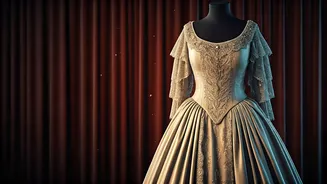
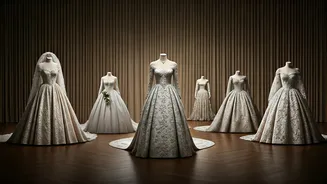
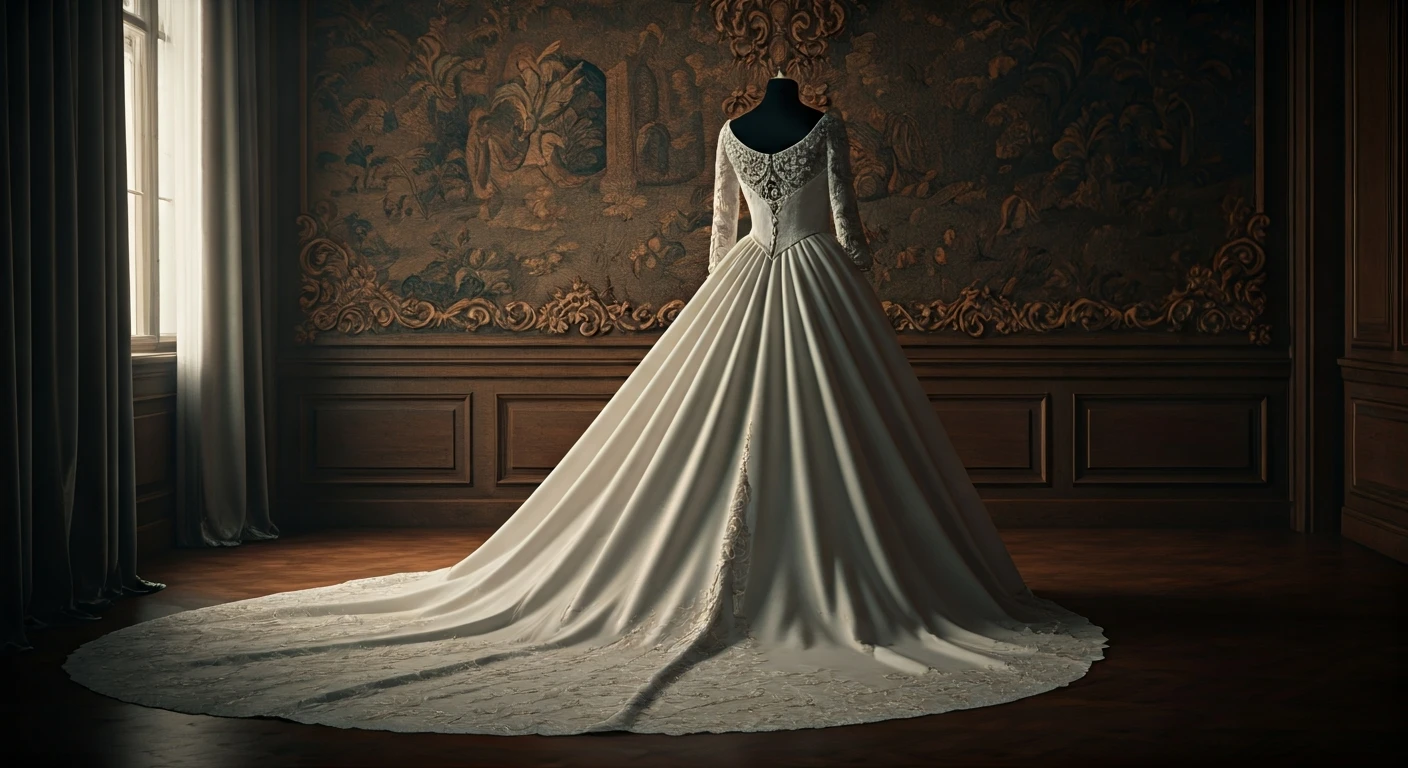
to a classic royal blueprint that typically includes demure necklines, gracefully covered shoulders, and the use of luxurious, photogenic fabrics like heavy taffeta or exquisite Mikado silk. These choices are deliberate, ensuring the gown photographs beautifully and possesses a certain gravitas suitable for a grand ceremony. Beyond the material and silhouette, a dramatic, cathedral-length train is often a key element, adding an undeniable touch of regal splendor. Throughout history, a select group of royal brides have masterfully interpreted and elevated these traditional guidelines, creating bridal moments that have become legendary, leaving an indelible mark on the annals of fashion.
Meghan's Minimalist Statement
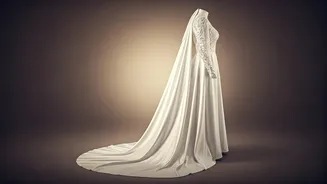
Breaking away from heavily embellished traditions, Meghan Markle presented a refreshingly minimalist vision for her 2018 wedding. Her gown, designed by Clare Waight Keller for Givenchy, eschewed ornate details in favor of a sleek silhouette crafted from unembellished silk cady. The focus shifted dramatically to her extraordinary 16-foot veil, which was meticulously hand-embroidered with the emblematic flora representing all 53 Commonwealth nations. This understated yet profoundly symbolic approach created a memorable and modern royal bridal look, proving that simplicity can possess immense power and elegance. The clean lines of the dress, combined with the intricate detail of the veil, offered a sophisticated and unforgettable departure from more traditional royal bridal attire.
Diana's Fairy Tale Vision
In 1981, Princess Diana delivered a bridal moment that perfectly encapsulated the fairy-tale ideal. Her breathtaking gown, created by David and Elizabeth Emanuel, was a dramatic explosion of 1980s glamour, fashioned from ivory silk taffeta. The dress was a canvas of exquisite craftsmanship, adorned with an astounding 10,000 pearls, and featured the iconic, voluminous puffed sleeves characteristic of the era. Perhaps its most striking feature was the record-breaking 24-foot train, which trailed behind her as she made her grand entrance. This magnificent creation was a closely guarded secret, adding to the anticipation and awe when it was finally revealed as she stepped from her carriage, solidifying its place as one of history's most memorable wedding dresses.
Queen Elizabeth's Wartime Hope
For Queen Elizabeth II's 1947 nuptials, her wedding dress carried a powerful message of hope amidst post-World War II austerity. In a Britain still grappling with rationing, the Queen famously used ration coupons to acquire the materials for her Norman Hartnell-designed gown. This act underscored the challenging economic climate of the time. The dress itself was a testament to delicate artistry, embellished with 10,000 seed pearls meticulously arranged into motifs of spring flowers. This deliberate choice of embellishment served as a poignant symbol of renewal and optimism for a nation striving to rebuild and recover, infusing the royal garment with deep historical and emotional significance.
Rania's Bold Departure
Queen Rania of Jordan forged her own path in bridal elegance when she married in 1993, deviating significantly from the conventional European white wedding dress. Her chosen gown, a creation by Bruce Oldfield, featured a striking, tailored collar and was lavishly adorned with rich gold embroidery. This opulent detailing drew direct inspiration from traditional Syrian formal wear, presenting a visually stunning fusion of modern tailoring and cultural heritage. This bold choice showcased a powerful and distinctive style, proving that royal bridal fashion could embrace diverse influences and celebrate a bride's unique identity and background with spectacular results.
Grace Kelly's Timeless Elegance
The name Grace Kelly is synonymous with enduring bridal sophistication. In 1956, the celebrated Hollywood actress, who became Princess of Monaco, wore a gown that remains a benchmark for royal elegance. This exquisite dress was a gift from her former studio, MGM, and was designed by Oscar-winning costume designer Helen Rose. The ensemble featured a meticulously crafted bodice of antique Brussels lace, paired with a voluminous, flowing silk faille skirt. The combination of delicate lace and opulent silk created a look of unparalleled grace and timeless beauty, setting a gold standard for royal brides for generations to come and influencing countless wedding dress designs thereafter.
Kate's Modern Revival
The wedding dress worn by Kate Middleton in 2011 is instantly recognizable and significantly influential. Crafted by Sarah Burton for Alexander McQueen, the gown drew clear inspiration from Grace Kelly's iconic look, reinterpreting classic elements for a contemporary audience. It featured a Victorian-inspired corset, elegant long lace sleeves, and a train measuring nearly nine feet. Middleton’s choice single-handedly revived the popularity of long-sleeved lace gowns in the 21st century, proving their enduring appeal. This dress remains one of the most frequently emulated bridal designs of the modern era, demonstrating its profound impact on wedding fashion.
Beatrice's Sentimental Upcycle
Princess Beatrice offered a touching and environmentally conscious tribute with her wedding dress in 2020. Instead of a brand-new creation, she chose to honor her grandmother, Queen Elizabeth II, by repurposing a vintage Norman Hartnell gown. This dress had originally been worn by the Queen to a movie premiere in the 1960s. Beatrice had the heirloom garment subtly updated by adding sheer organza puff sleeves. This act of royal upcycling presented a rare and beautiful moment, demonstrating a thoughtful connection to family history and a creative approach to bridal fashion that resonated with its personal significance.