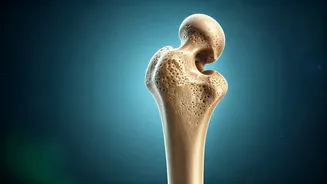








The Unseen Foundation
Bone health often escapes our notice during our younger adult years, with no immediate signs or symptoms to prompt concern. However, these formative decades,
spanning from your 20s to your 30s, represent a crucial period for developing and solidifying bone mass. Experts emphasize that the actions taken during this time have a profound impact on how our bodies function, heal, and age in the subsequent decades. Neglecting this phase means missing a vital opportunity, as the optimal period for bone development narrows considerably as we get older. What you establish now is not merely beneficial; it's foundational for your future physical well-being, dictating your agility, recovery capabilities, and overall aging process years down the line.
Understanding Osteoporosis
Osteoporosis is a progressive skeletal condition characterized by bones that become increasingly porous, brittle, and susceptible to fractures. This insidious disease develops silently, often without any pain in its initial stages, leading many individuals to remain unaware of its presence until an actual break occurs. The most vulnerable sites for fractures in osteoporotic individuals typically include the hip, spine, and wrist. Even minor physical stresses, such as a slight stumble or an unexpected movement, can result in significant injury. In India, the prevalence of osteoporosis is a growing concern, attributed to shifts in lifestyle and nutritional deficiencies, with studies indicating a substantial number of adults exhibiting low bone density long before symptoms manifest. These fractures, especially in older adults, can severely compromise mobility and independence, underscoring the importance of preventative measures.
The Critical 'Before 40' Window
Bones, like any living tissue, respond to use by growing stronger and deteriorate with disuse. The peak bone mass, the maximum density and strength our skeletons will achieve, is typically attained by our late twenties or early thirties. Following this peak, the body’s primary focus shifts from building new bone to maintaining what has already been established. This means that the years preceding age 40 are exceptionally vital for both constructing robust bone density and preserving it. Consider it analogous to accumulating financial savings: the more bone strength you store early on, the greater your reserve to draw upon in later years. A deficit in this early accumulation makes the skeleton more vulnerable to weakness, even with the natural aging process. This finite period offers a unique opportunity to fortify your bones through conscious choices in diet, physical activity, and overall lifestyle.
Modern Habits' Silent Toll
Numerous everyday habits, often unnoticed, can subtly erode bone strength over time. Prolonged periods of sedentary behavior, such as extended desk work, reduce the essential mechanical stress that bones require to remain robust. Diets that are deficient in calcium and protein fail to provide the necessary building blocks for bone repair and maintenance. Furthermore, insufficient exposure to sunlight hampers the body’s ability to synthesize vitamin D, a crucial nutrient for calcium absorption. Experts highlight that inadequate calcium and vitamin D intake, coupled with poor nutrition, a sedentary lifestyle, and smoking during these formative years, can silently weaken bones, thereby escalating the risk of developing osteoporosis later in life. Alarmingly, research indicates a widespread issue with vitamin D deficiency across the Indian population, even in regions with ample sunshine, underscoring the complex interplay of factors affecting bone health.
Effective Strategies for Strength
Enhancing bone strength doesn't necessitate drastic lifestyle overhauls; rather, it hinges on consistent, mindful practices. Engaging in weight-bearing exercises—activities like walking, jogging, or strength training—provides the necessary stimulus for bones to adapt and strengthen. A diet rich in calcium is paramount, incorporating foods such as milk, yogurt, ragi, and a variety of leafy green vegetables. Protein also plays an indispensable role in bone structure and repair, a nutrient often underestimated in this context. Sunlight exposure is another critical, yet often overlooked, element. Just 15 to 20 minutes of exposure to morning sunlight can significantly aid the body in producing vitamin D, which is essential for calcium absorption. These consistent habits form the bedrock of a strong skeletal system, protecting against future health challenges.
The Invisible Power of Prevention
Preventive health measures, by their very nature, do not yield immediate, visible results, which is why they are frequently relegated to the back burner. There's no instant gratification or quick fix. However, the profound impact of early prevention becomes evident over the long term. A stronger skeletal framework translates directly into a reduced likelihood of fractures, improved posture, and greater independence and mobility in later years. It’s also important to acknowledge the gender-specific considerations; women, particularly post-menopause, experience accelerated bone loss due to hormonal shifts, making early intervention even more critical for them. By embracing preventative habits before they are necessitated by symptoms, individuals can secure a more active and independent future, safeguarding their quality of life.
Life After Forty
As individuals cross the threshold of 40, a natural decline in bone density begins. While the rate of this loss can vary, the general trend is a decrease in bone mass over time. This is precisely why the proactive measures taken in the years prior are so significant. By prioritizing bone health before the age of 40, individuals can substantially mitigate the risk of experiencing fractures and other skeletal issues that can impede mobility and diminish quality of life. While regular check-ups and bone density scans become more important after 40, especially for those identified as being at higher risk, their effectiveness is significantly amplified when supported by the robust foundation of bone strength built during earlier decades. This lifelong perspective emphasizes that investing in bone health now is an investment in future well-being and sustained vitality.