






The Sodium Sneak
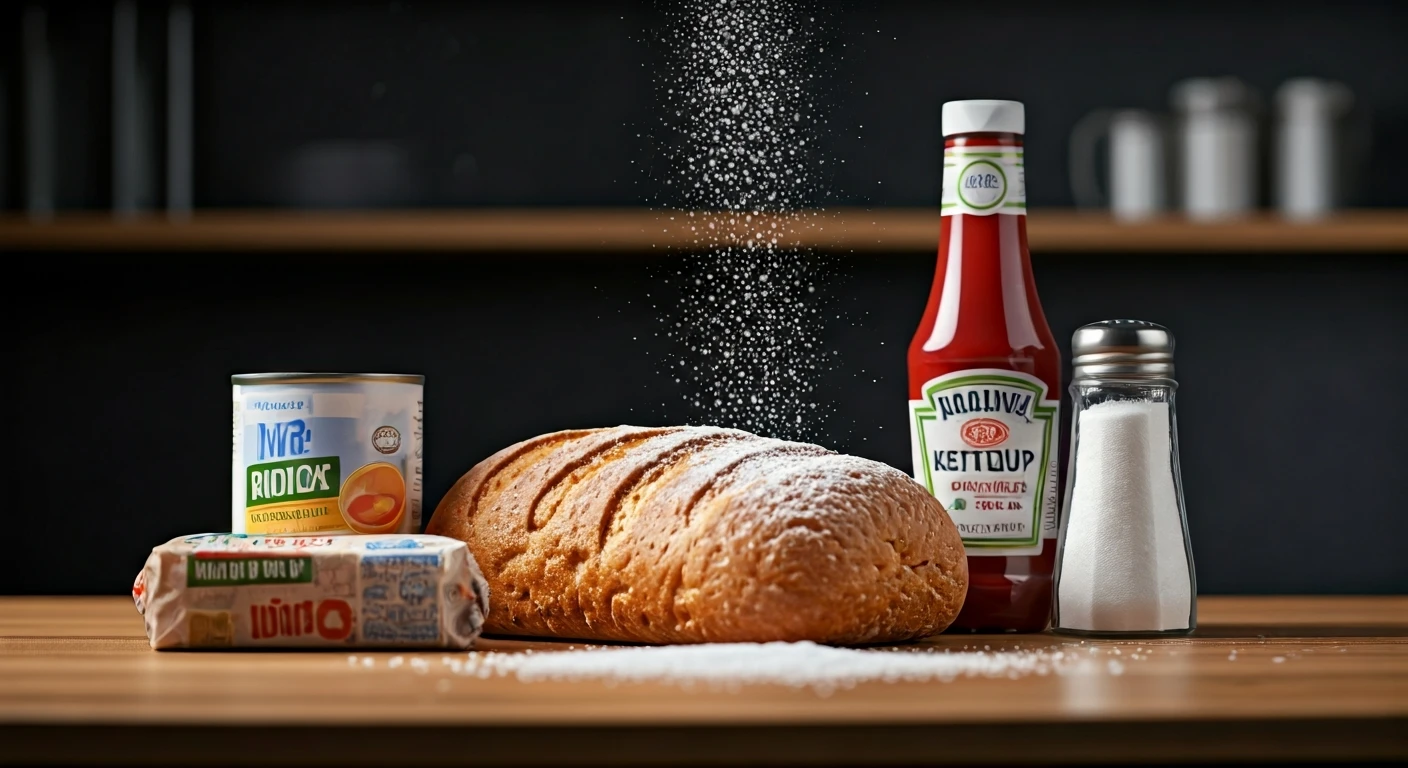
Many everyday foods, often perceived as healthy, can be packed with surprising amounts of sodium. This excess salt contributes significantly to elevated
blood pressure, a major risk factor for heart disease and stroke. Processed meals, canned goods, bread, and even seemingly innocuous items like breakfast cereals often contain high levels of added sodium. Understanding where this sodium originates is the first step in regaining control over your dietary intake. Recognizing these hidden sources empowers you to make more informed choices, actively seeking out lower-sodium alternatives or preparing meals from scratch to ensure you know exactly what you're consuming. This awareness is crucial for anyone looking to proactively manage their cardiovascular health and mitigate the long-term consequences of excessive salt consumption, which can impact not just blood pressure but also kidney function.
Blood Pressure Dangers
Consistently high sodium intake forces your body to retain extra water, which in turn increases the volume of blood circulating in your arteries. This heightened volume leads to increased pressure against your artery walls, a condition known as hypertension or high blood pressure. Over time, this sustained pressure can damage blood vessels, making them less elastic and more prone to blockages. This damage can have far-reaching effects, increasing the risk of serious health issues such as heart attacks, strokes, kidney failure, and even vision problems. The insidious nature of high blood pressure often means individuals don't experience symptoms until significant damage has already occurred, underscoring the importance of proactive management through dietary adjustments. Monitoring your blood pressure regularly and understanding the link between salt and this condition is vital for long-term well-being.
Smart Reduction Tactics
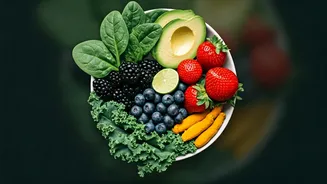
Reducing your sodium consumption doesn't have to mean bland meals. A few smart strategies can make a significant difference. Firstly, get into the habit of reading food labels diligently, paying close attention to the sodium content per serving. Opt for 'low sodium,' 'reduced sodium,' or 'no salt added' versions whenever possible. Secondly, prioritize fresh, whole foods over processed and pre-packaged items. Cooking from scratch gives you complete control over the ingredients, including the salt. When seasoning, experiment with herbs, spices, garlic, onions, lemon juice, and vinegars to add flavor instead of relying on salt. Rinsing canned vegetables and beans can also help remove a considerable amount of their sodium content. Making these small, consistent changes can profoundly impact your overall health and help you manage your blood pressure effectively.