
The Blue Conundrum Explained
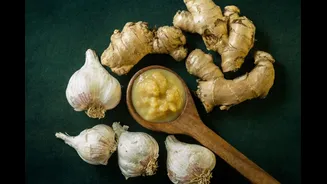
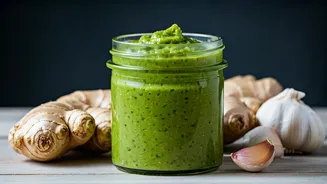
Discovering an odd greenish-blue tinge in your homemade ginger-garlic paste can be quite disheartening, especially when you've prepared it in advance for
culinary convenience. This common kitchen woe isn't a sign of random spoilage, but rather a predictable outcome of subtle errors in preparation and storage. Fortunately, rectifying this issue doesn't demand complex techniques or exotic ingredients; instead, it relies on a few astute adjustments guided by time-honored kitchen practices. The visual transformation, often accompanied by a slightly sharp aroma, signals that the paste is no longer at its peak, deterring its use in dishes. Understanding the root cause is the first step toward ensuring your pastes remain as delightful as the day they were made, maintaining both their appeal and their efficacy in your cooking.
Mastering Moisture Control
The primary adversary of ginger-garlic paste's longevity and vibrant colour is moisture. A frequent misstep involves adding water during the grinding process to achieve a smoother consistency or to ease the mechanics of blending. However, this introduced water significantly accelerates the paste's deterioration and is the principal trigger for undesirable colour changes. To circumvent this problem, it's crucial to always utilize dry ginger and garlic cloves. Ensuring no residual water is present from washing, or that the ingredients are thoroughly patted dry, is paramount. This meticulous attention to dryness forms the bedrock of preserving the paste's freshness and preventing the onset of that off-putting blue tint, safeguarding its quality for future use in your culinary creations.
Natural Preservation Powerhouses
Embracing a few natural ingredients can dramatically extend the life and maintain the quality of your ginger-garlic paste. A small amount of salt, approximately half a teaspoon, acts as an effective natural preservative, inhibiting bacterial proliferation and thus preventing spoilage. Incorporating 2-3 teaspoons of oil during the grinding stage is another crucial step; this creates a protective barrier around the paste, minimizing its contact with air and effectively warding off discolouration. For even longer preservation, consider adding a teaspoon of white vinegar. This acidic component further enhances the paste's shelf life, helping it retain its natural colour and flavour for up to an impressive 2-3 months, offering a convenient and reliable solution for batch preparation.
Smart Storage Strategies
Beyond preparation, the method of storing your ginger-garlic paste plays a vital role in its preservation. Opting for glass jars over plastic containers can significantly contribute to maintaining the paste's freshness. To further enhance its resistance to air exposure and prevent spoilage, a thin layer of oil can be applied on top of the paste before sealing the jar. This creates an additional protective seal. For ultimate convenience and extended storage, freezing the paste in ice cube trays is an excellent strategy. Once the cubes are solid, they can be transferred to zip-lock bags, allowing you to easily retrieve and use single portions as needed, ensuring freshness and minimizing waste while keeping your paste readily available.