





Enduring Countertop Appeal
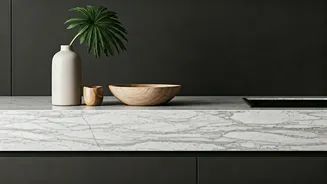
The world of kitchen design is often characterized by rapidly shifting trends, but certain countertop styles possess an innate timelessness that experts
continue to champion. While some finishes might feel decidedly of a particular era, like the prevalence of specific looks in 2010, true design wisdom lies in selecting materials and aesthetics that transcend seasonal fads. This involves understanding the inherent qualities of materials like natural stone, which offer a unique character and durability, or considering the sophisticated simplicity of certain solid surfaces. The focus shifts from what's currently popular to what offers lasting elegance and functionality, ensuring a kitchen remains a cherished and stylish heart of the home for years to come, rather than appearing dated quickly.
Reviving Bedroom Warmth
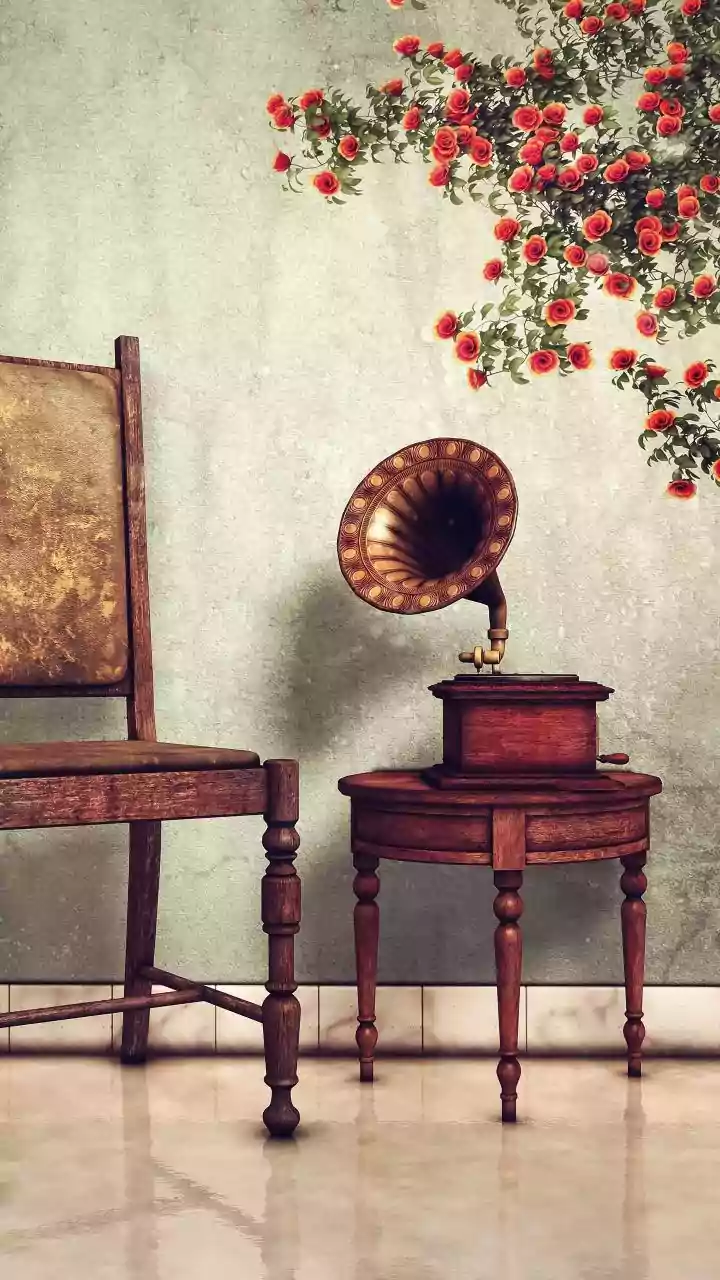
Interior designers are increasingly looking to the past to infuse bedrooms with a sense of warmth and layered richness, a departure from minimalist extremes. This involves reintroducing 'old-school' touches that evoke comfort and a feeling of lived-in character. Think about incorporating elements such as plush textiles, classic furniture silhouettes, and perhaps even vintage-inspired decorative accents. The goal is to create an intimate and inviting sanctuary, moving away from sterile environments towards spaces that feel deeply personal and comforting. These revived elements contribute to a more textured and soulful atmosphere, making the bedroom a true retreat from the outside world and enhancing its overall appeal through thoughtful, layered design choices.
Lasting Paint Color Choices
While trending paint colors can be exciting, a discerning eye for timeless hues ensures a home’s palette remains relevant and sophisticated for an extended period. Experts often highlight a selection of seven paint colors that have consistently proven their versatility and enduring appeal across various design styles and room types. These colors typically lean towards neutrals and muted tones that offer a calming backdrop and complement a wide range of furnishings and decor. Their ability to adapt to evolving tastes and trends makes them a wise investment for creating spaces that feel both current and enduringly elegant, providing a foundation for any interior design vision.
Bathroom Luxury Enhancements
Elevating the perceived luxury of a bathroom doesn't necessarily require extensive renovations; designers often employ clever tricks to achieve a high-end look instantly. These strategies focus on impactful details that create a sense of opulence and sophistication. Key areas often targeted include upgrading hardware, such as faucets and drawer pulls, to more substantial and stylish options. The addition of elegant lighting fixtures, high-quality textiles like plush towels and bath mats, and strategic use of reflective surfaces can also significantly enhance the overall ambiance. Furthermore, decluttering and organizing with attractive storage solutions contribute to a polished and spa-like feel, transforming a standard bathroom into a more indulgent space.
Maximizing Room Size
Creating the illusion of more space within a room is a common design challenge that interior professionals tackle with ingenious techniques. Designers utilize a range of strategies, focusing on how light, color, and furniture placement interact. For instance, employing light and neutral paint colors on walls and ceilings can make a room feel more open and airy. Strategic use of mirrors, particularly opposite windows, can amplify natural light and create a sense of depth. Furniture selection is also crucial; opting for pieces with visible legs can make them appear less heavy and allow the eye to travel further, thus expanding the perceived boundaries of the room. Careful consideration of scale and avoiding overcrowding also plays a vital role in achieving a more expansive feel.
Embracing Warm Minimalism
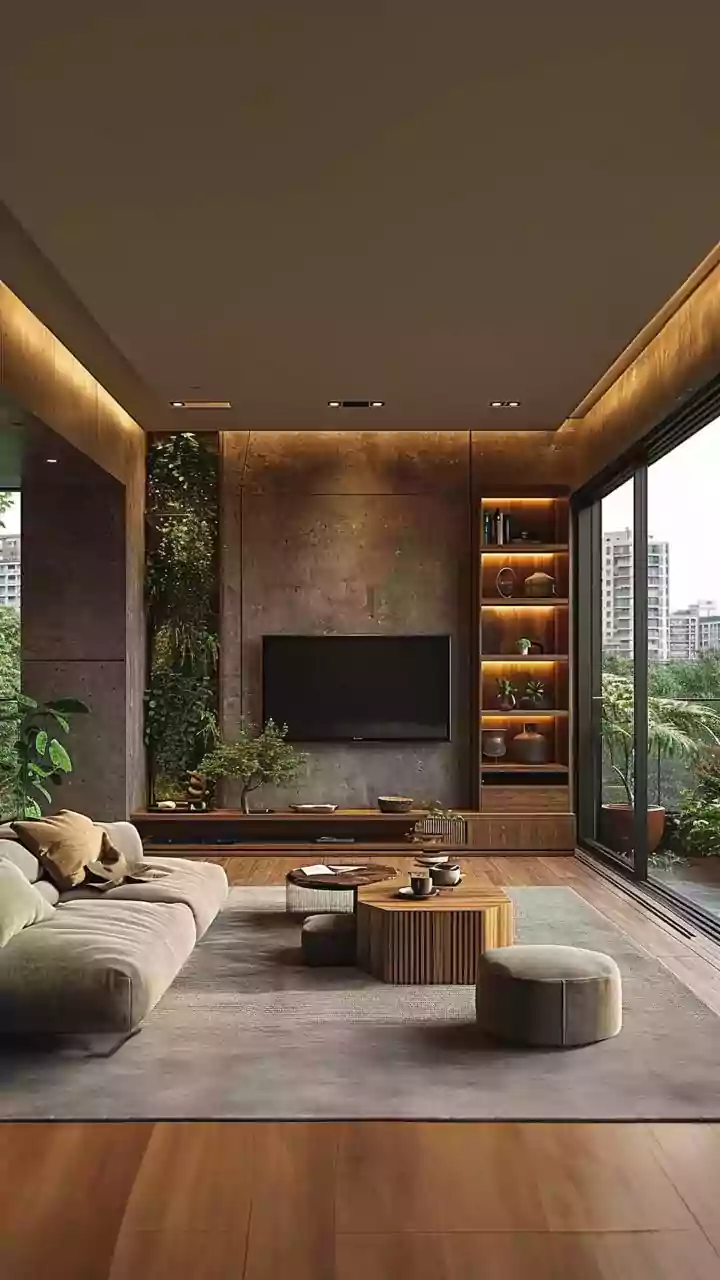
In the realm of design aesthetics, warm minimalism is emerging as a highly desirable style for its ability to blend simplicity with comfort and approachability. This approach moves beyond the starkness sometimes associated with traditional minimalism, instead incorporating elements that add coziness and a sense of welcoming. Think of softer color palettes, natural materials like wood and textured fabrics, and a considered selection of decorative items that hold personal meaning. The aim is to create serene yet inviting spaces that promote well-being and tranquility, offering a balanced aesthetic that feels both uncluttered and deeply comfortable, making it an ideal choice for contemporary living.
Modern Farmhouse Dining
The modern farmhouse aesthetic continues to captivate, particularly within dining room designs, where it strikes a harmonious balance between rustic charm and contemporary refinement. Designers often integrate elements like robust wooden dining tables, perhaps with a reclaimed wood finish, paired with chairs that offer both comfort and style. Lighting plays a significant role, with statement pendant lights or chandeliers often anchoring the space. Touches of industrial metalwork, shiplap details on walls or ceilings, and curated decorative accessories, such as ceramic vases or simple greenery, complete the look. The result is a dining area that feels both inviting and elegantly casual, perfect for everyday meals and special gatherings.
Efficient Kitchen Layouts
Optimizing a kitchen for both efficiency and aesthetic appeal is paramount, and designers often advocate for specific layouts that enhance functionality. Four key kitchen configurations stand out for their ability to maximize workflow and visual harmony. The U-shaped kitchen, for instance, offers ample counter space and efficient movement between the sink, stove, and refrigerator. The L-shaped layout is versatile and works well in smaller spaces, creating a natural work triangle. Galley kitchens, with parallel countertops, are highly efficient for cooking tasks. Finally, the island kitchen provides additional prep space, seating, and storage, serving as a central hub. Each of these layouts prioritizes accessibility and ease of use, ensuring a kitchen is as practical as it is beautiful.
Island Alternatives
For kitchens that lack the space or infrastructure for a full-sized island, several common items can effectively serve as practical and stylish alternatives, providing valuable prep and serving surfaces. Rolling carts, often made of wood or metal, offer mobility and can be tucked away when not in use. Freestanding butcher blocks or kitchen trolleys can mimic the work surface of an island, offering a dedicated area for chopping and food preparation. Even a well-placed dining table or a sturdy console table placed strategically can function as an impromptu island for overflow prep or casual dining. These adaptable solutions ensure that every kitchen, regardless of size, can benefit from added functionality without compromising its layout or aesthetic.