







Why Protein Matters
Protein is an indispensable nutrient, playing a crucial role in numerous bodily functions. It's vital for tissue repair, bolstering the immune system,
and facilitating muscle development, making it a cornerstone of a healthy diet. The discomfort often experienced by individuals increasing protein intake doesn't stem from the nutrient itself but rather from the lack of complementary adjustments in other dietary components. When more protein is consumed, the body's requirements for hydration, fibre, and potassium-rich foods significantly increase to maintain metabolic balance and smooth digestion. Failing to meet these heightened needs places undue stress on the system, leading to adverse reactions that are mistakenly attributed to the protein rather than the nutritional imbalances created.
Hydration is Key
A cornerstone of a successful high-protein diet is adequate water intake. As protein consumption rises, so does the production of urea, a metabolic waste product that the kidneys are responsible for expelling. Without a corresponding increase in fluid consumption, the body struggles to efficiently process and eliminate this heightened urea load. This can manifest in several uncomfortable symptoms, including persistent headaches, general fatigue, a noticeable darkening of urine, and challenging bouts of constipation. It's important to understand that protein itself is not dehydrating; rather, it's the insufficient intake of water that leads to dehydration. Therefore, any increase in dietary protein must be meticulously matched by an equivalent rise in daily water consumption to support kidney function and overall well-being.
Embrace the Fibre
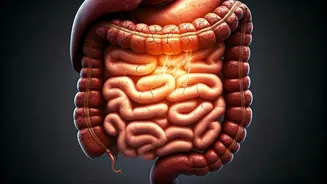
One of the most common yet subtle mistakes made on a high-protein regimen is the inadvertent reduction of dietary fibre. Many individuals, especially those relying on protein shakes and supplements, often replace complete meals with these products, which typically contain negligible amounts of fibre. This shift can significantly impede the digestive process, as fibre is essential for maintaining regular bowel movements. The combination of reduced fibre intake and inadequate hydration exacerbates digestive slowdown, making constipation a frequent complaint. Nutritionists highlight that the problem lies not with the protein but with the exclusion of fibre-rich foods such as fruits, vegetables, whole grains, and legumes, which are crucial for keeping the digestive tract functioning optimally.
Potassium's Protective Role
A frequently overlooked error in high-protein diets involves the diminished consumption of fruits and vegetables, leading to a deficiency in potassium. Certain animal-based protein sources can elevate the body's dietary acid load. Potassium, abundant in produce, acts as a crucial alkalizing agent, effectively neutralising this acidity and preserving the body's delicate pH balance. Insufficient potassium levels can trigger a cascade of issues, including discomfort from acidity or bloating, unwelcome muscle cramps, fluctuations in blood pressure, and added strain on the kidneys. These adverse effects are a direct consequence of a high-protein intake juxtaposed with inadequate potassium intake, rather than an inherent toxicity of protein itself. Prioritizing potassium-rich foods is paramount for mitigating these risks.
Achieving Balance
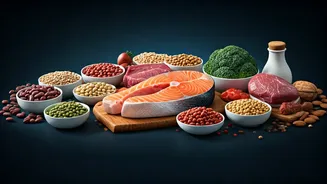
Ultimately, the challenges associated with high-protein diets are rarely attributable to protein itself, but rather to the imbalances created by how it's incorporated into one's eating habits. A high-protein approach thrives when meticulously complemented by sufficient hydration, ample fibre, and a generous intake of potassium-rich foods. When these foundational nutritional pillars are absent, the body signals distress, and protein unfairly bears the blame. Before reconsidering protein-rich staples like eggs, lentils, or protein supplements, it's vital to assess the adequacy of these essential dietary components. A truly beneficial high-protein diet should foster a sense of vitality and support, not exhaustion, which can only be achieved through a holistic and well-rounded eating pattern.