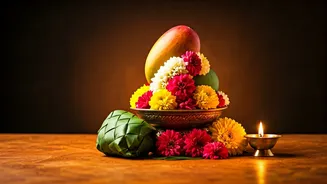








New Year's Date
Mark your calendars for April 15, 2026, as this is the day the vibrant Pohela Boishakh will be celebrated. This festive occasion heralds the commencement
of the Bengali New Year, a time deeply cherished in West Bengal, Bangladesh, and among Bengali communities globally. The precise moment of Sankranti, marking the transition into the new month of Boishakh, is observed at 09:39 AM on April 14, 2026, according to Drik Panchang. This date signifies not just the turn of a year but also a collective embrace of new beginnings, aspirations for prosperity, and a profound sense of cultural identity. Preparations often begin in advance, with people anticipating the joyous celebrations that will unfold, including traditional dress, lively processions, and the sharing of festive meals.
Celebratory Rituals
Pohela Boishakh is brought to life through a series of meaningful rituals that set a tone of purity, prosperity, and spiritual reflection. The day typically commences with a thorough cleansing of homes, symbolizing a fresh start and the shedding of the old. Adorning oneself in new, traditional attire is a common practice, reflecting the celebratory spirit. Intricate and beautiful 'Alpona' designs, often drawn with rice flour or chalk, adorn courtyards and doorways, adding to the visual splendor. Many also engage in prayers, seeking blessings from deities like Goddess Lakshmi for wealth and Lord Ganesha for auspicious beginnings. These practices collectively underscore the importance of renewal and good fortune as the Bengali year begins.
Historical Roots Unveiled
The origins of the Bengali calendar, and by extension Pohela Boishakh, are steeped in history, with influences from both ancient practices and administrative reforms. A widely accepted narrative points to the Mughal era, specifically Emperor Akbar's reign. To better align tax collection with agricultural cycles, Akbar's administration introduced a modified calendar. This system ingeniously combined elements of the Islamic lunar calendar with the Hindu solar calendar, giving rise to what is known as the 'Fasholi Shan' or harvest calendar. However, the story doesn't end there. Some historical perspectives suggest even earlier roots, potentially dating back to King Shashanka in the 7th century or even the Vikramaditya era. Regardless of the precise inception, the calendar evolved into a symbol of cultural heritage and administrative convenience.
Cultural Significance Deep Dive
Pohela Boishakh resonates deeply as a celebration of renewal, a vibrant display of cultural heritage, and a powerful unifier of communities. It marks the very first day of the Bengali calendar, symbolizing a complete reset brimming with optimism for prosperity and positive developments. The festival encourages individuals to leave behind past difficulties and eagerly anticipate fresh opportunities. Culturally, it serves as a vital platform for showcasing Bengal's rich traditions through music, art, cuisine, and fashion. The practice of 'Haal Khata,' where businesses open new ledgers, highlights new commercial beginnings. More broadly, the communal gatherings and festivities foster stronger social connections, making Pohela Boishakh a profound expression of unity, tradition, and a collective embrace of a hopeful future.