



Inside Color Clues
When you slice open a watermelon, pay close attention to the flesh's hue. A naturally ripened watermelon typically displays a vibrant red or pink shade
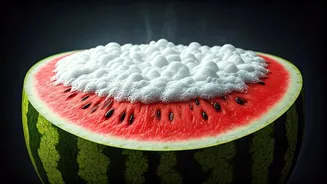
that isn't perfectly uniform. You'll often notice subtle variations in color and thin, white fibers running through the flesh. If the inside appears an unnaturally bright, almost glowing red, and remarkably consistent, like a coat of paint, it's a strong indication that artificial red dye might have been used. These synthetic colorants, such as Red No. 3 and Red No. 40, are linked to various health concerns, including potential links to cancer, behavioral issues in children like hyperactivity, and allergic reactions. It's important to be aware that some of these dyes are facing regulatory scrutiny due to their health implications.
The Tissue Paper Trick
A straightforward yet effective method to detect artificial coloring is the tissue paper test. Take a small piece of the red watermelon flesh and gently rub it against a clean white tissue or a piece of cotton cloth. If the tissue immediately absorbs a deep, intense red or pink stain, it strongly suggests the presence of artificial coloring. The natural juices from a genuine watermelon, when rubbed in the same way, will typically leave only a very faint trace of color on the tissue. This simple comparison can quickly help you differentiate between a naturally juicy fruit and one that might have been enhanced with artificial food colors.
Tactile Texture Check
As you handle a watermelon in the market, take a moment to feel its surface. A naturally grown watermelon will generally feel firm to the touch, yet possess a slightly grainy texture. This subtle graininess is a sign that the fruit has developed under natural conditions. In contrast, watermelons that have been tampered with or injected with chemicals might feel unusually soft, mushy, or excessively watery. Be vigilant for any unusual cracks or visible gaps within the flesh itself, as these irregularities can also serve as indicators of chemical intervention.
A Taste of Authenticity
Before you indulge in a slice of watermelon, a careful taste test can offer valuable insights. A real, naturally ripened watermelon will offer a mild, fresh sweetness. On the other hand, a chemically treated watermelon might present a taste profile that is overly sweet, strangely bland, or even has a slightly bitter or chemical aftertaste. If the flavor seems 'off' or not quite right, it's a wise decision to refrain from consuming it further.
Seed Examination
The seeds within a watermelon can also provide clues about its authenticity. Examine the seeds carefully; well-formed, naturally ripened watermelons typically contain seeds that are dark brown or black and appear fully developed. Conversely, if you encounter seeds that are pale, unusually small, or have an irregular shape, it could indicate that the fruit has undergone artificial ripening processes or other forms of chemical treatment.
Exterior Inspection
Before making a purchase, scrutinize the watermelon's outer rind. A good, natural watermelon usually has a matte green rind, often with a distinct creamy yellow spot on one side. This yellow patch, known as the field spot, is where the fruit rested on the ground while it grew. If the rind appears excessively shiny, has a waxy sheen, or looks unnaturally polished, it might be a sign that chemicals have been applied to enhance its appearance.
Quick Water Purity Test
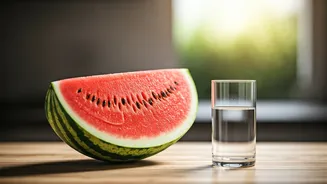
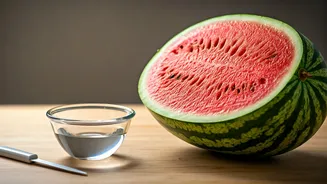
An easy and revealing test for watermelon purity involves water. Take a small piece of the watermelon and submerge it in a glass of clear water. Observe the water closely: if it rapidly turns a deep red color, it's highly probable that artificial coloring is leaching out, indicating the watermelon has been adulterated. Natural watermelon juice, while it will color the water, does so in a much less dramatic and immediate fashion, without causing a rapid, deep hue change.
Pre-Cut Caution
It's generally advisable to steer clear of pre-cut watermelon pieces offered by roadside vendors. These fruits are more susceptible to contamination and tampering. Opt instead for whole watermelons. Always ensure you wash the entire fruit thoroughly under running water before you cut and consume it yourself at home. For any leftovers, store them in an airtight container in the refrigerator and aim to finish them within two days to maintain freshness and safety.