




The Humble Potato's Andean Roots
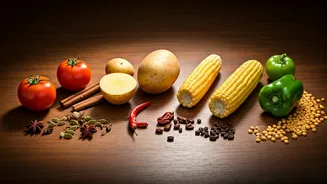
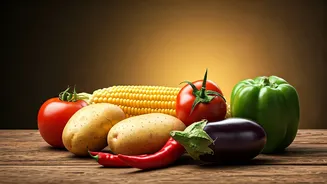
The ubiquitous potato, a staple in countless Indian meals, actually hails from the Peruvian-Bolivian Andes. Its journey to India began in the 16th century,
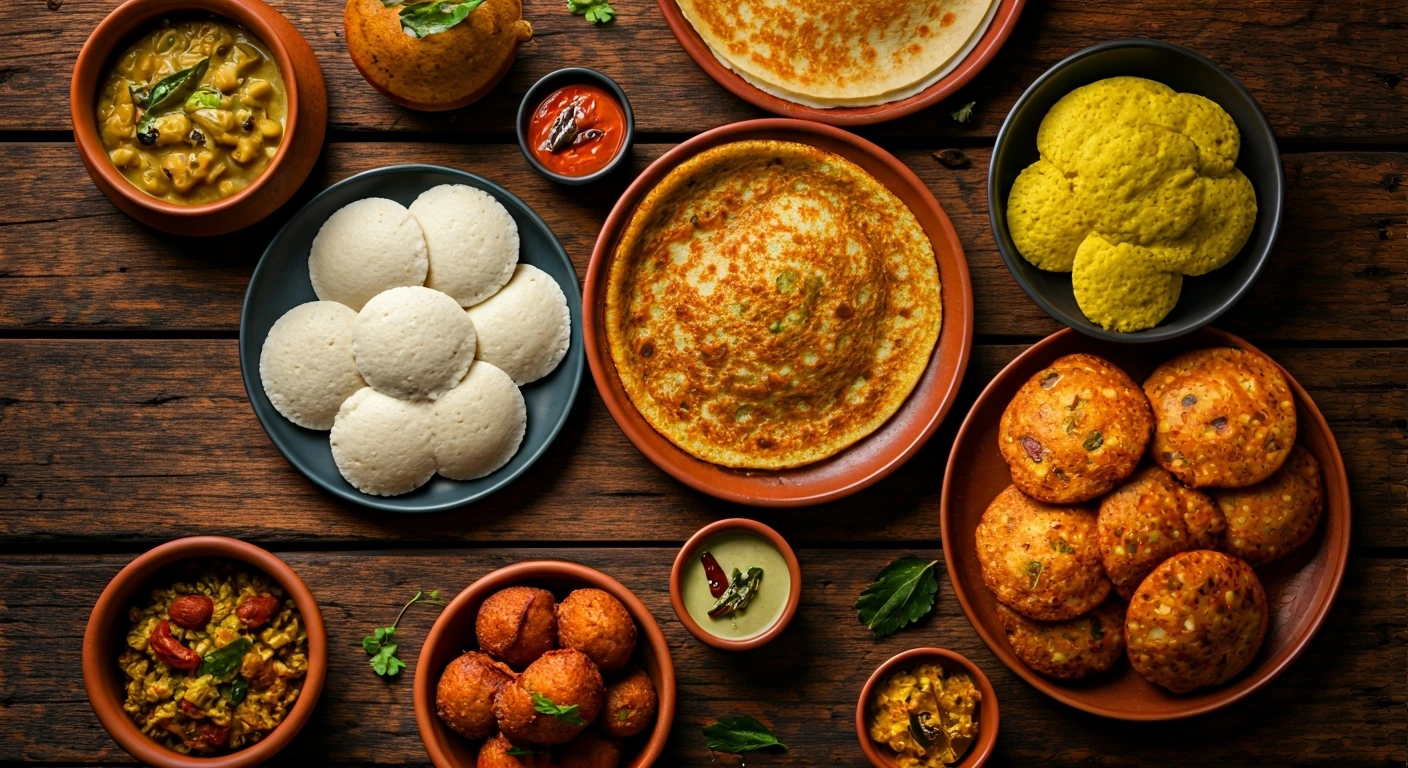
brought by Portuguese traders as part of a significant exchange of New World produce. Remarkably, the potato integrated itself so seamlessly into Indian culinary traditions that it now feels like an indigenous ingredient. From the flaky parathas of North India to the crispy dosas of the South, the potato has found a permanent place, demonstrating an unparalleled ability to adapt and become indispensable in regional cuisines over centuries.
Tomatoes: A Red Revolution
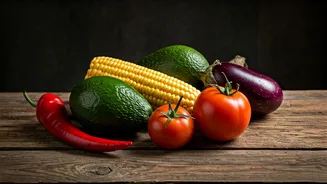
What would Indian gravies, zesty chutneys, and vibrant street food be without the tomato? This essential fruit, originating from South America, made its way to India via the same Portuguese trade routes in the early 16th century. Initially met with skepticism in Europe, the tomato's bright acidity and culinary versatility eventually won over palates worldwide. Its introduction to India marked a pivotal moment, allowing for the creation of richer sauces and a distinct tang that defines many beloved Indian dishes, proving its global appeal and adaptability.
Chilli's Fiery Arrival
The signature heat of Indian cuisine owes its intensity to the chilli pepper, another New World import. Native to the Americas, chillies arrived in India during the 16th century's Columbian Exchange, facilitated by Portuguese traders. Prior to their arrival, Indian kitchens relied on spices like black pepper, long pepper, ginger, and mustard for their piquancy. Chillies gradually displaced these, becoming more affordable and easier to cultivate across diverse Indian climates. Their adaptability, both in farming and in blending with existing culinary techniques like tempering, quickly made them a cornerstone of curries, pickles, and everyday cooking.
Cashews: From Soil Erosion Fighter to Delicacy
The crunchy cashew nut, a common sight in Indian sweets and savory dishes, originated in northeastern Brazil. Introduced to India by Portuguese traders and missionaries in the late 16th century, its initial planting was strategic, aimed at preventing soil erosion along coastal areas. Over time, the cashew tree thrived, particularly in regions like Goa and Kerala. What began as an agricultural measure evolved into a beloved culinary ingredient, woven into the fabric of Indian food culture, from festive desserts to rich, creamy gravies and casual snacking, showcasing its remarkable transformation.
Pineapple's Tropical Intrusion
This sweet and tangy tropical fruit, the pineapple, also embarked on a long voyage to India. Native to South America, it traveled through Portuguese trade networks, reaching Indian shores around the mid-1500s. Its adaptation to India's warm, humid climates was swift, especially in coastal and northeastern areas, where it gradually became a part of the local diet. Today, pineapples are a common sight, enjoyed fresh from street vendors, incorporated into festive desserts, and even featuring in regional curries, adding a unique zest to the subcontinent's diverse flavors.
Papaya's Mexican Origin
The vibrant papaya, now a familiar sight in Indian fruit markets and kitchens, traces its origins back to Mexico and Central America. Portuguese traders were instrumental in introducing this New World fruit, among others, to India during the 16th century. Like many other foreign crops, the papaya found fertile ground and a welcoming culinary environment in India. Its ability to thrive in local conditions and be incorporated into everyday eating habits by Indian cooks cemented its status as a cherished, albeit non-native, part of the Indian diet, enriching the nation's produce variety.