




Bamboo's Rapid Reach
Bamboo is celebrated for its swift growth, ideal for creating private screens and halting soil erosion. However, its underground rhizomes, particularly
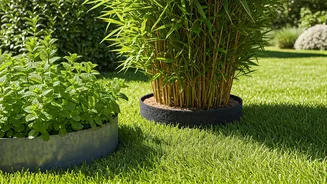
in running varieties like golden bamboo (_Phyllostachys aurea_), can spread several feet annually. This aggressive subterranean network sends up new shoots far from the parent plant, making containment a significant challenge once established. To curb this rampant spread, consider proactive measures such as installing deep root barriers, regularly trimming nascent shoots, or planting bamboo in sturdy containers. These strategies are crucial for long-term control, preventing it from encroaching on other garden areas and maintaining a more orderly landscape.
Holly's Bold Bloom
Common or English holly (_Ilex aquifolium_), a beloved evergreen known for its glossy leaves and festive red berries, offers attractive hedging and winter visual interest. It adapts well to various light and soil conditions. Nevertheless, under favorable circumstances, this holly can expand vigorously, outcompeting indigenous flora and depleting vital groundwater resources. Birds contribute to its spread by dispersing seeds widely, often leading to new holly shrubs sprouting in inconvenient locations. Prompt removal of any young holly seedlings and preventing berry accumulation are key to managing its growth. Consistent pruning also plays a vital role in keeping this robust shrub's size and density in check, ensuring it doesn't dominate the garden.
Anemone's Autumn Spread
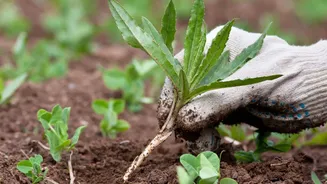
Japanese anemones (_Eriocapitella x hybrida_) are cherished for their elegant late-season blooms, bringing color to woodland and cottage gardens when other perennials fade. While they appear delicate, these plants possess a surprisingly vigorous spreading habit. Established clumps can expand significantly via underground roots, potentially overwhelming entire garden beds if not carefully monitored. It's essential to regularly excavate errant shoots and periodically divide dense clumps to manage their expansive nature. Vigilance in removing as much of the root system as possible is paramount; even small root fragments can lead to these tenacious plants reappearing.
Cypress's Climbing Height
Leyland cypresses (_Cupressus × leylandii_) are popular choices for fast-growing, robust privacy hedges. Their growth rate, however, can quickly become a substantial issue in a garden setting. These hybrid conifers can extend their height by over a meter annually, casting dense shadows that hinder the development of nearby plants and aggressively consuming available water. They are not well-suited for compact gardens, and even in larger spaces, they demand diligent management. Regular pruning, strategic planting locations positioned at least 10 feet from other structures or plants, and thinning to ensure adequate air circulation are vital practices to prevent disease and maintain control over their rapid ascent.
Lily's Lush Landscape
The woodland perennial Lily of the Valley (_Convallaria majalis_) is adored for its sweet fragrance and charming white blossoms, forming a lush, dense ground cover that thrives even in deep shade. However, its aggressively spreading underground rhizomes can form thick carpets that suffocate less robust plant species. To contain its vigorous nature, consider planting this resilient species in secluded or naturally bare areas of your yard. Employing physical underground barriers extending at least 6 inches deep or cultivating it exclusively in containers are effective methods to prevent its pervasive spread throughout your broader landscape.
Mint's Mighty Mat
Mint (_Mentha_ spp.) is a remarkably easy-care herb, valued for its culinary versatility, refreshing aroma, and uncomplicated growth habit, flourishing in diverse conditions. Yet, its extensive underground runners quickly generate new shoots, capable of taking over entire garden beds if left unmanaged. The most effective strategy for controlling mint is to avoid planting it directly in the ground. Instead, opt for containers or raised beds to restrict its unruly root system, or even grow it indoors on a windowsill. If direct garden planting is desired, sinking the pot into the soil creates a beneficial barrier, preventing the runners from encroaching upon and disrupting neighboring plants.