






Soil: Our Lifeline
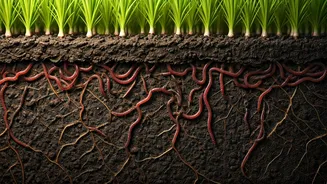
Soil health is essential for global food security, making it a critical aspect of humanity's wellbeing. Healthy soil supports robust crop production, providing
the food we need. It also significantly impacts water management. Soil acts like a sponge, absorbing and filtering water, which helps prevent floods and droughts. Furthermore, it plays a vital role in climate change mitigation by storing vast amounts of carbon. When soil is degraded, its ability to perform these essential functions is compromised, threatening both food production and the environment. This means that protecting and improving soil health is not just an agricultural issue, but a global one, directly linked to human survival and environmental sustainability. Ensuring the health of our soil is an investment in our collective future.
Food Security's Foundation
The health of the soil directly impacts our ability to feed the world's population. Healthy soil is teeming with nutrients and microorganisms, creating a perfect environment for crops to flourish. Crops grown in healthy soil are more resistant to pests and diseases, which can lead to higher yields and reduce the need for pesticides. In contrast, degraded soil results in poor crop performance, impacting food availability and quality. This has the potential to trigger food shortages and elevate prices, which affects vulnerable populations. Sustainable agricultural practices, such as crop rotation, cover cropping, and no-till farming, are key to maintaining soil health and securing our food supply for future generations. These methods enhance soil fertility, reduce erosion, and improve water retention, contributing to a more resilient and productive agricultural system. Therefore, nurturing our soil is not only about farming; it's about safeguarding our access to food.
Water's Natural Filter
Soil functions as a natural filter for water, playing a crucial role in water management. Healthy soil absorbs rainfall, preventing surface runoff and reducing the risk of floods. This absorbed water gradually replenishes groundwater reserves, which is essential for both drinking water and irrigation. Soil also filters out pollutants, cleaning the water before it reaches rivers, lakes, and aquifers. When soil is degraded, it loses its ability to absorb and filter water effectively. This can lead to increased flooding, water scarcity, and the contamination of water sources. Protecting soil health is therefore vital for ensuring a reliable supply of clean water. Implementing practices like afforestation, building terraces, and creating wetlands can significantly improve soil's water-holding capacity and its filtration capabilities. Prioritizing soil health means safeguarding our water resources and building resilience to climate change impacts.
Climate Change Combatant
Soil is a significant carbon sink, and it actively helps to mitigate climate change. Healthy soil can store vast amounts of carbon in the form of organic matter. This process, called carbon sequestration, removes carbon dioxide from the atmosphere, reducing the greenhouse effect. Agricultural practices influence the soil's capacity to store carbon. When farmers use practices such as no-till farming, they reduce soil disturbance, which helps retain carbon in the soil. On the other hand, activities such as deforestation and unsustainable farming practices can release carbon stored in the soil, contributing to climate change. Protecting and improving soil health can therefore play a vital role in fighting climate change. By adopting sustainable land management practices, we can enhance the soil's ability to store carbon and reduce greenhouse gas emissions, working toward a more sustainable future for the planet.
Threats to Soil Health
Several factors endanger soil health, undermining its ability to perform its essential functions. Erosion is a significant threat, caused by wind and water, which removes the topsoil, the most fertile layer. Deforestation and unsustainable agricultural practices exacerbate erosion. Soil compaction, caused by heavy machinery and overgrazing, reduces the soil's ability to absorb water and air, hindering plant growth. Chemical pollution, often from pesticides and fertilizers, can damage soil organisms and reduce soil fertility. Climate change, with its increased frequency of droughts and floods, also threatens soil health. Addressing these threats requires a multifaceted approach. Sustainable farming practices, reforestation efforts, and reducing pollution are key steps in protecting our soil. Awareness and adoption of these practices by individuals, communities, and governments will ensure that we maintain the health of our soils for years to come.
Protecting Our Soil
Protecting soil health requires a concerted effort from individuals, communities, and governments. Sustainable agricultural practices are essential, including crop rotation, which helps replenish soil nutrients and prevent pest infestations. Cover cropping involves planting crops specifically to protect and improve soil health, preventing erosion and increasing organic matter. No-till farming reduces soil disturbance, helping retain carbon and improve soil structure. Reducing the use of synthetic fertilizers and pesticides and embracing organic farming methods help improve soil health and reduce pollution. Supporting local and sustainable food systems encourages responsible land management. Governments can implement policies that promote sustainable practices, provide financial incentives for farmers, and invest in research and education programs. Together, by implementing these measures, we can safeguard our soil, which is the cornerstone of food security and environmental health.