


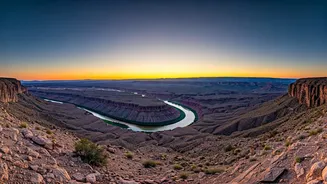

A Glimpse of Wild Alaska
Lake Clark National Park and Preserve stands as a testament to Alaska's pristine wilderness, offering a captivating glimpse into the region's past. This
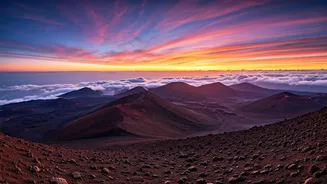
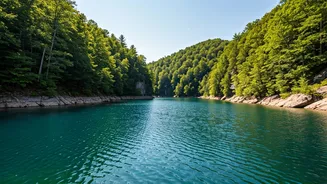
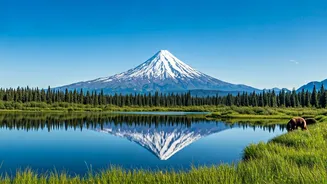
protected area encompasses a dramatic tapestry of Alaskan terrain, featuring coastal wetlands, towering snow-capped mountains draped in glaciers, numerous lakes and rivers, and diverse ecosystems ranging from boreal forests to expansive tundra. It's a land where active volcanoes intermittently steam, salmon teem in vibrant runs, and immense brown bears forage extensively. The park is crucial for preserving the ancestral homelands of the Dena'ina people, who have a deep connection to this land stretching back over a thousand years, and it acts as the vital headwaters for the world's most productive sockeye salmon fishery. The Dena'ina refer to Lake Clark as 'Qizhjeh Vena,' meaning 'a place where people gathered lake,' underscoring its historical significance as a gathering point. Furthermore, the park safeguards the vast Lake Clark itself, three designated National Wild and Scenic Rivers, and two National Natural Landmarks, contributing to its remarkable ecological and cultural importance.
Best Times and Views
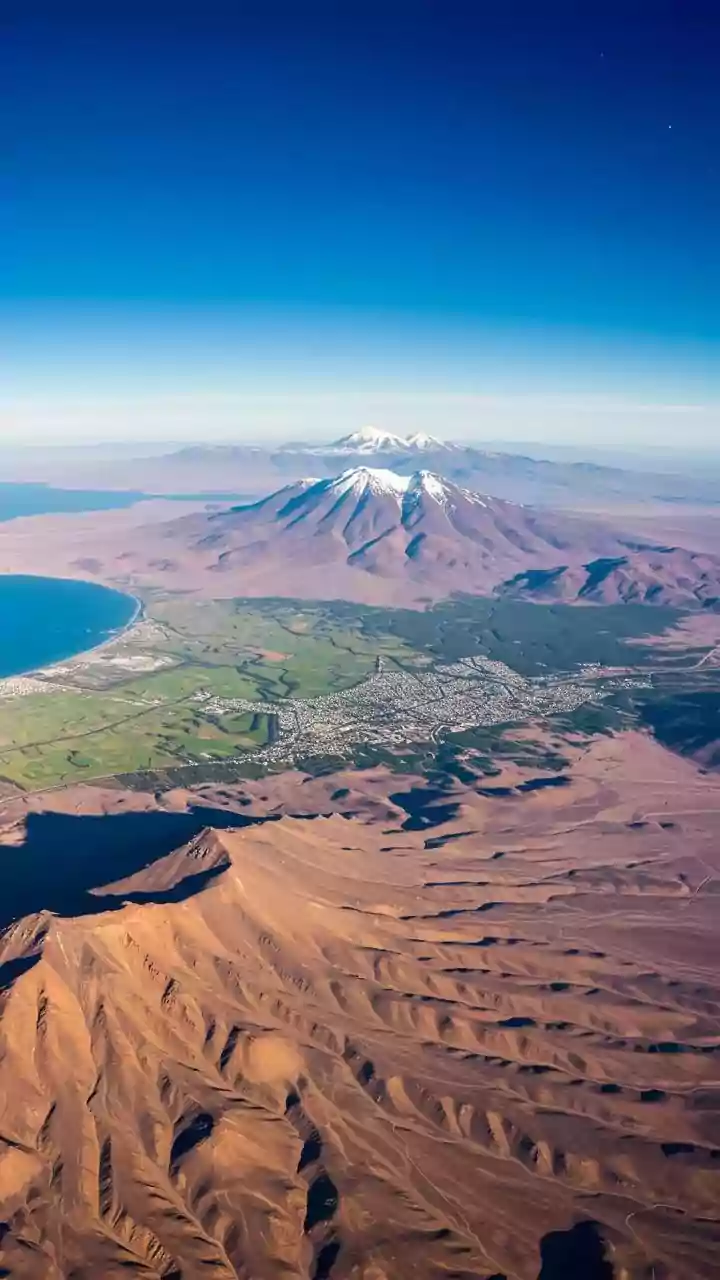
The prime visiting window for Lake Clark National Park and Preserve is from June through mid-September, a period characterized by warmer weather, though it also brings the prevalence of mosquitoes. For those seeking vibrant wildflowers, late June is the ideal time. August and September can be wetter, but they offer the stunning spectacle of peak fall colors by mid-September. Visitors should always be prepared for a wide range of weather conditions, from bright sunshine to snowfall, regardless of the season. Experiencing the park's breathtaking vistas is best achieved from the air; a floatplane journey offers unparalleled views of its rugged, unspoiled terrain. Several outfitters based in Anchorage provide day trips to both the coastal and inland areas, as well as air taxi services to lodges within and surrounding Lake Clark. These scenic flights typically last between 60 and 90 minutes. For the most spectacular water or coastal panorama, head to the north side of Chinitna Bay and gaze inland towards the majestic Iliamna Volcano. The summit of Mount Tanalian, standing at 3,960 feet near Port Alsworth, provides the finest inland viewpoint. An aerial perspective is arguably the most awe-inspiring, especially when flying over the Alaska Range situated between Cook Inlet and Lake Clark.
Adventurous Hiking Trails
Given its remote and wild character, Lake Clark National Park and Preserve is a haven for adventurous backcountry hikers, though only a select few trails are clearly marked, well-maintained, and easily accessible. For families with younger children, the trails near the visitors center and airfield in Port Alsworth are excellent choices. These include routes leading to the serene Beaver Pond, a 3.2-mile roundtrip journey; the visually stunning Tanalian Falls, a four-mile roundtrip hike; and the secluded Kontrashibuna Lake, a 5.5-mile roundtrip excursion. For a more strenuous day hike, the Tanalian Falls trail, when combined with the Beaver Pond loop, creates an 8.6-mile roundtrip trek that ascends over 3,000 feet. The reward from the summit is an extraordinary panorama, with Lake Clark unfolding in one direction and the Aleutian Range in the other. However, the final mile or so to the rocky peak is notably steep, narrow, and can be quite slippery, making it unsuitable for very young children. The park also offers numerous well-known, multi-day backcountry adventures. The Kontrashibuna Lake trail, located in the remote northwestern section, traverses tundra and boreal forest between Lower Twin and Telaquana Lakes. This route, originally established by the ancient Dena'ina Athabascan people, typically takes seven to ten days to complete and offers magnificent views of the snow-covered, glacier-filled Neocola Range just east of the lakes. Another challenging yet rewarding option is the Tlikakila River trail, which winds through dense brush and alpine tundra near the park's western border. Depending on a hiker's bushwhacking and navigation proficiency, this trek can range from one to four days. Both of these extensive routes require floatplane access for drop-off and pick-up. Hikers must remain vigilant for wildlife, particularly bears, and the use of bear-resistant food and garbage containers is mandatory or strongly advised for anyone camping within half a mile of a lake shore. Comprehensive wilderness survival skills, including proficiency in map reading, compass use, river crossings, and preparedness for inclement weather, are essential for backcountry trekkers navigating the park's roadless expanse.
Incredible Wildlife Sightings
Brown bears are undoubtedly the star attraction for wildlife enthusiasts at Lake Clark National Park and Preserve. The Aleutian Mountains naturally divide the park's bear population into two distinct groups, each with unique foraging habits. Coastal bears thrive on a diet of salmon, clams, sedges, and berries found in the salt marshes, tidal flats, and river estuaries along Cook Inlet. Conversely, inland bears roam the boreal forest, tundra, and lake shores in search of salmon and a variety of other food sources. The peak season for observing these magnificent creatures runs from late spring through early fall, with flightseeing companies offering specialized day trips to the park's coastal regions, providing the most reliable and secure viewing opportunities. Key locations for bear viewing include Chinitna Bay, Silver Salmon Creek, and Crescent Lake. Beyond bears, the park is a haven for avian life, with over 180 bird species documented. Birdwatchers can spot iconic species like bald eagles and peregrine falcons, as well as various shorebirds and raptors. Prime birding locations include the mudflats around Tuxedni and Chinitna bays on the coast, and Chulitna Flats near Lake Clark. Other fascinating wildlife inhabits the park: caribou graze on the tundra west of Lake Clark, mountain goats ascend the western slopes of the Aleutian Range, including Tanalian Mountain near Port Alsworth, and moose are frequently seen wading in shallow waterways and boggy areas below the timberline. Wolves typically reside within the boreal forest, and during the warmer months, beluga whales can be observed cruising offshore.
Activities and Lodging
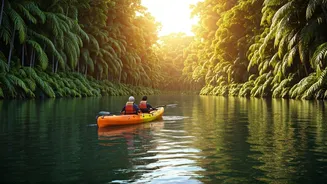
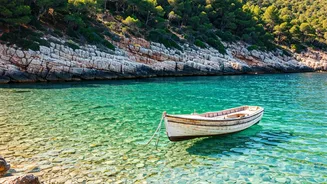
Lake Clark offers a wealth of activities for visitors, with boating being a particularly recommended way to explore, especially on the stunning Crescent Lake nestled within the Chigmit Mountains. This location is ideal for spotting both brown and black bears and the salmon they prey upon. While Crescent Lake is a popular destination, it still retains a sense of remote isolation. For an immersive wildlife experience, one lodge offers a six-day summer bear camp featuring safari-style tents on Cook Inlet, with dedicated "women only" weeks scheduled each season. Angling is another highly popular pursuit, with fishing season extending from May to October, though the August-September salmon runs are a major draw. Anglers can target various salmon species, along with Dolly Varden, rainbow trout, Arctic char, and grayling. Crescent Lake is considered a premier fishing spot, but numerous other lakes and rivers, including those easily accessible near Port Alsworth, also offer excellent opportunities. For families, the well-marked and relatively easy trails near the Port Alsworth visitor center provide enjoyable hiking opportunities. Beyond hiking, certain lodges offer guided activities like kayaking and multi-day wilderness expeditions. Accommodation options vary, with Port Alsworth providing cabins, bed & breakfast inns, and small hotels. Other lodging can be found on Crescent Lake, Chinitna Bay, and Cook Inlet. For those seeking a more rustic experience, historic public use cabins are available on the northwest side of Lake Clark, equipped with basic amenities like wooden bunks and a wood stove. Visitors must bring all their own supplies. Camping is also an option, with some private providers offering designated sites. Otherwise, dispersed camping is permitted throughout the park and preserve, provided it's not on private or native corporation land. Backcountry camping is strongly advised only for individuals with extensive wilderness survival experience. It's crucial to inform someone of your itinerary due to the bear presence. Winter visits offer a unique, tranquil experience with opportunities for cold-weather camping, ice fishing, biking, and wildlife viewing, typically accessed via ski planes.
Park vs. Preserve Distinction
A key distinction within Lake Clark National Park and Preserve lies in the differing regulations governing its park and preserve sections. The preserve designation allows for activities such as hunting, trapping, and energy exploration and extraction, which are strictly prohibited within the park boundaries. Geographically, the preserve largely comprises tundra and lower-lying forests and is situated in the western part of the area. In contrast, the park proper encompasses mountainous regions, valleys, and the coastline, primarily in the central and eastern parts. Accessing the park is exclusively possible by air or water; there are no road connections whatsoever. Visitors can utilize private transportation or arrange services with authorized air taxi or charter boat operators. While the period from late spring to early fall is considered the optimal time for a visit, the park is officially open year-round. However, it's important to note that the visitor center and many lodges cease operations during the colder winter months. Due to high demand and limited capacity, reservations for bear-watching flights or air taxis to lodges should ideally be made six months to a year in advance. Backcountry permits are not required for overnight hikes, but anglers must possess a valid fishing license. Cell phone service is unreliable or entirely absent in most of the park. While leashed pets are permitted, the National Park Service strongly advises against bringing them due to the rugged terrain and abundant wildlife. Accessibility is a consideration; Port Alsworth Visitor Center is equipped with a wheelchair-accessible ramp and Braille materials, and all-terrain wheelchairs are available for loan at ranger stations in Port Alsworth, Silver Salmon Creek, and Chinitna Bay.