








Seashells: More Than Souvenirs
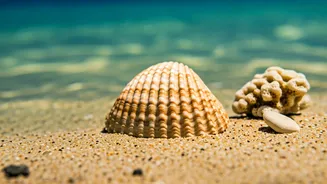
While a beautiful seashell might seem like a perfect memento, it's far more than just a pretty object. These discarded shells are vital components of coastal
life. They serve as essential housing for hermit crabs and various small marine invertebrates, offering them shelter and a place to thrive. Furthermore, as shells naturally break down over time, they contribute to the formation of new sand and play a critical role in maintaining the stability of shorelines, acting as a natural buffer against erosion. Many nations and designated protected coastal regions have strict regulations prohibiting the removal of shells, especially in significant quantities. Even in areas where the law is less stringent, the sheer volume of shells taken by tourists can disrupt the delicate ecological balance that these natural structures support. Instead of collecting physical shells, consider capturing memories through photographs or purchasing locally crafted items that reflect the spirit of the place without harming its natural heritage.
Sand: A Risky Memento
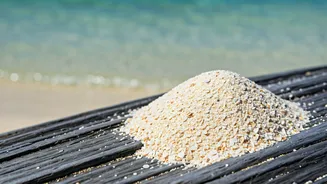
The temptation to fill a small bottle with sand from a picturesque beach is understandable, but this seemingly innocent act has substantial cumulative consequences. When millions of visitors engage in this practice, the collective impact can lead to significant depletion of beach sand. Destinations like parts of Italy and Hawaii have enacted laws specifically addressing sand removal, imposing considerable fines on those caught taking it. Beyond the legal repercussions, sand itself is a crucial element for coastal health. It supports a diverse array of microorganisms that form the base of many marine food webs and is instrumental in managing coastal erosion, acting as a natural defense against the sea. If a tangible reminder of your beach visit is desired, opting for a locally produced souvenir is a far more responsible choice, supporting local artisans while preserving the integrity of the beach environment.
Coral: Precious and Protected
Taking any form of coral, whether living or deceased, is an act that should be strictly avoided. Coral reefs are renowned as some of the planet's most fragile and vital ecosystems, serving as nurseries and habitats for an immense diversity of marine life. They are also a natural barrier that protects coastlines from the damaging effects of erosion and storm surges. Even fragments of broken coral play a crucial role in the regeneration and growth of reefs over time. Consequently, removing coral is illegal in numerous countries, with penalties that can include substantial fines or confiscation of the items by customs officials at airports. When encountering jewelry or decorative items made from coral, it's imperative to verify their legal sourcing and certification, though the most ecologically sound approach is to refrain from purchasing them altogether, thereby discouraging their extraction.
Marine Life: Leave Them Be
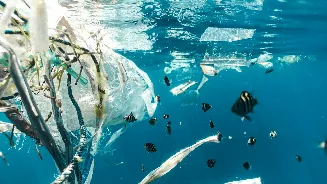
The practice of selling dried marine creatures, such as starfish and seahorses, as souvenirs poses a direct threat to marine populations. Purchasing these items inadvertently encourages and perpetuates the harvesting of these animals, often through unsustainable methods that can decimate natural populations. Starfish, for instance, are keystone species within reef ecosystems; they perform essential functions that help maintain the health and balance of the entire environment. Their removal, whether they are alive or have been dried, directly disrupts these vital ecological roles. It's important to recognize that these creatures are integral parts of their natural habitats and should be observed and appreciated in situ, rather than being removed and commercialized as trinkets.
Coastal Plants & Driftwood
Elements like driftwood, which might appear as attractive decorative pieces, serve a critical purpose in their natural coastal settings. They provide essential habitat and protection for various shoreline species, acting as resting places and shelters. Similarly, the vegetation that grows along beaches, including dune grasses, plays an indispensable role in stabilizing sand dunes and preventing soil erosion. Removing these natural components, however small they may seem, can significantly weaken coastal systems that are already under considerable stress, particularly in regions vulnerable to the impacts of climate change and severe weather events. The principle to adopt is that if an item is an intrinsic part of the beach's natural landscape, it belongs there and should be left undisturbed.