



Redefining Ageing Gracefully
The narrative around ageing is dramatically shifting. Gone are the days when reaching 40 meant slowing down; today, it marks a vibrant phase for active
living and enhanced health consciousness. People in their forties and fifties are increasingly focused on investing in their well-being, making nutrition a cornerstone of this proactive approach. This era calls for a deeper understanding of dietary needs, with a particular emphasis on protein, a vital nutrient for sustaining muscle mass, ensuring mobility, and preserving overall vitality. While once associated primarily with athletes or growing children, protein's importance is now recognized across all life stages, especially as the body undergoes natural changes. As awareness grows, intentional eating habits are emerging, particularly among those seeking to maintain an energetic and fulfilling life beyond their prime. This proactive stance on nutrition is key to navigating the complexities of ageing with grace and strength.
The Protein Deficit Challenge
In India, traditional diets often lean heavily on cereals, prioritizing satiety over functional nutrition. While these meals offer energy, they frequently fall short on essential protein, leading to a consistent daily nutritional gap. Disturbingly, the Indian Council of Medical Research (ICMR-NIN) reported in 2024 that over 70% of urban Indians consume less protein than the recommended 0.8-1.0 g per kilogram of body weight. This deficiency, though gradual, can manifest as diminished muscle mass, slower recovery from exertion, persistent fatigue, a weakened immune system, and a noticeable decline in everyday strength and independence. A significant consequence of ageing is sarcopenia, the progressive loss of muscle mass and strength, which can transform simple tasks like climbing stairs or carrying groceries into formidable challenges. Furthermore, the body's ability to effectively utilize dietary protein for tissue repair and building, known as anabolic resistance, decreases with age, necessitating a higher protein intake to combat muscle loss and maintain essential bodily functions.
Elevating Daily Nutrition
Achieving healthy ageing isn't about drastic diets; it's about cultivating sustainable, consistent habits that support the body long-term. The good news is that impactful changes don't require a complete dietary overhaul. Simple, familiar food modifications can yield significant benefits. Opting for protein-rich or protein-fortified flours, or incorporating ingredients like paneer, soya, or lean animal proteins into meals, can gradually enhance daily protein consumption. Rethinking the main meals of the day, particularly breakfast and dinner, presents a powerful opportunity for improvement. Swapping out carbohydrate-heavy breakfasts for options like whole-grain oats, which naturally provide protein and soluble fibre, is a small change with a substantial positive effect. These choices contribute to stabilized energy levels, better glucose management, support for muscle and heart health, and set a robust nutritional tone for the entire day. Integrating high-protein cereals, protein-enriched atta, and naturally protein-dense ingredients into your diet can further boost intake. For an effortless boost, consider adding protein powders like moringa leaf powder, which blend seamlessly into everyday meals.
Smart Snacking for Strength
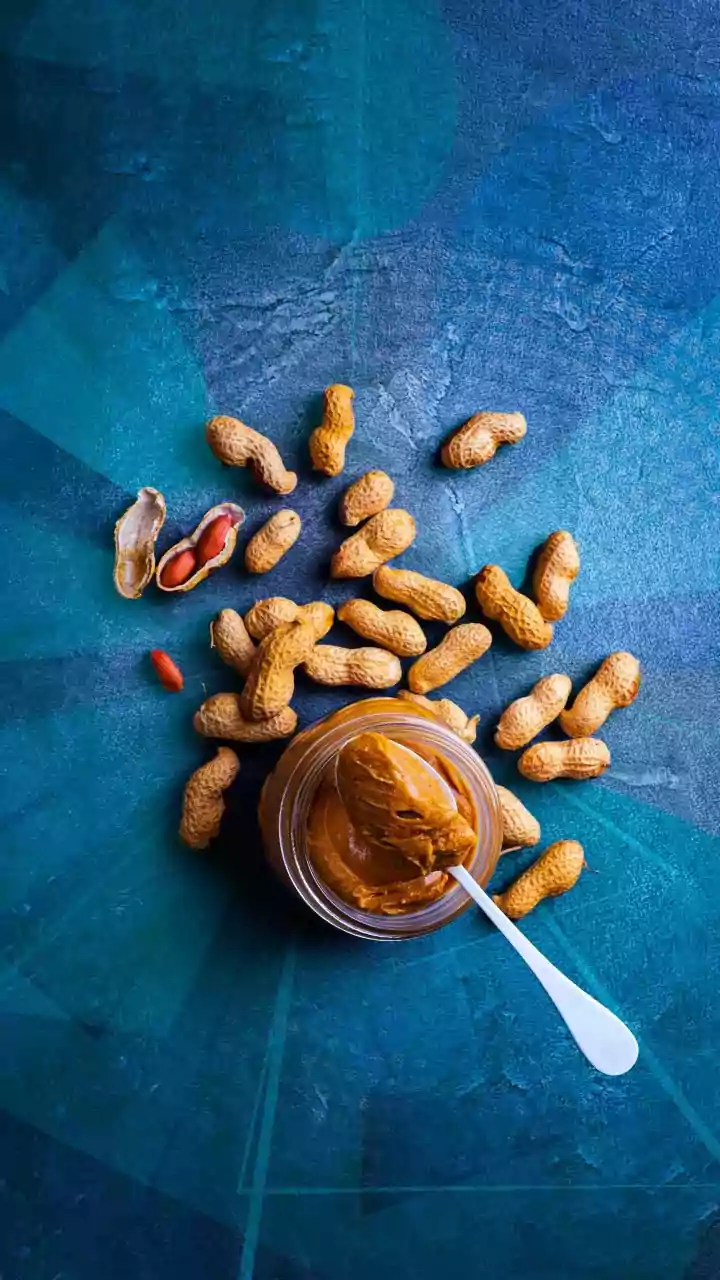
Beyond main meals, individuals over 40 must be more deliberate about their snack choices, utilizing these opportunities to bridge any protein and fibre gaps in their diet. As the body evolves with age, foods that were once effective may no longer provide the same benefits. It's essential to select foods tailored to this life stage, focusing on whole grains, nuts, seeds, and protein-rich options. As conversations around health and wellness gain momentum, there's a clear trend towards smarter, more balanced snacking alternatives that deliver both flavour and nutritional value. The market is increasingly offering better-for-you snack options specifically designed for India's 40+ population. As people enter their forties and beyond, the dialogue surrounding wellness and nutrition must adapt. Protein needs to transition from an occasional thought to a daily staple, incorporated into every meal and present on every plate, regardless of life stage. The awareness surrounding healthy ageing should commence not at 60, but at 40, laying the groundwork for a robust and energetic future.