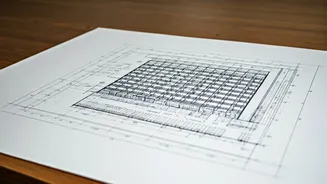

Foundation and Basics
The Uttar Pradesh Building Rules of 2025 outline the fundamental principles for construction and property development. These regulations encompass various
aspects of construction, from the initial design phase to the final touches. Key areas covered include building height, floor area ratio (FAR), and requirements for open spaces. These rules are designed to ensure systematic urbanization, with a focus on safety, sustainability, and aesthetic appeal. Understanding these foundational aspects is critical for anyone planning to build or renovate a property in Uttar Pradesh. Rules also include the necessary provisions for ensuring the structural integrity of buildings, as well as guidelines for materials and construction methods to be used.
Elevation and FAR
The building's elevation, its appearance and architectural design, falls under specific regulations detailed in the Uttar Pradesh Building Rules. These regulations dictate the acceptable styles, materials, and overall aesthetic. Floor Area Ratio (FAR) is another key factor, defining the ratio of a building's total floor area to the size of the plot on which it is built. This is very important as it regulates the intensity of construction allowed. Rules related to FAR aim to manage urban density and ensure that development aligns with the local infrastructure and environment. Meeting these guidelines is essential for obtaining construction permits and ensuring the building's compliance with local planning norms. The rules may vary depending on the location of the property and its zoning requirements.
Parking Provisions
Ensuring adequate parking facilities is a crucial aspect of the Uttar Pradesh Building Rules. The rules specify the requirements for parking areas, detailing the number of parking spaces needed based on the type and size of the building. These guidelines address the dimensions of parking spaces, the accessibility of parking areas, and the use of materials. The need for parking is growing with the increase of vehicles. Adequate parking not only provides convenience but also contributes to traffic flow. Compliance with these rules is essential to address the urban mobility concerns and to ensure that the infrastructure can support the increasing number of vehicles. These regulations may also specify the provision of covered parking and the need to accommodate specific types of vehicles.
Safety Standards
Safety is a top priority in the Uttar Pradesh Building Rules. The rules incorporate detailed safety standards that cover various aspects of building construction and maintenance. These provisions include regulations for fire safety, structural integrity, and the use of materials. Building materials must meet specific standards to prevent fire hazards and ensure structural stability. Fire safety measures include the installation of fire alarms, fire extinguishers, and emergency exits. Structural regulations include guidelines for building design, foundation, and load-bearing capacities. Adherence to these safety measures is crucial for the well-being of occupants and for protecting property. The rules may mandate regular inspections and maintenance to ensure the ongoing safety of buildings.
Open Area Guidelines
The Uttar Pradesh Building Rules include provisions for open spaces around residential structures. These guidelines outline the required setbacks, or distances, that must be maintained between buildings and property lines. The rules also specify the acceptable uses of open areas and the types of landscaping permitted. Proper open spaces are vital for adequate lighting, ventilation, and access. These open areas contribute to a healthier living environment and promote a sense of openness within the community. The specific requirements for open spaces can vary depending on zoning regulations and local planning norms. These guidelines help to ensure orderly development, prevent overcrowding, and maintain the aesthetic appeal of residential areas.
Kitchen and Bathroom
Building guidelines in Uttar Pradesh often include specifications for kitchens and bathrooms. These sections detail the minimum dimensions, ventilation requirements, and the placement of fixtures and appliances. Kitchen regulations may cover the design of countertops, the installation of sinks and cooktops, and the provision of storage space. Bathroom guidelines focus on the layout of toilets, showers, and washbasins, along with requirements for ventilation to prevent moisture buildup and mold growth. Adhering to these specifications is crucial for ensuring the functionality and safety of these essential living spaces. The rules promote well-planned, user-friendly designs that are both practical and conducive to a comfortable living environment.