




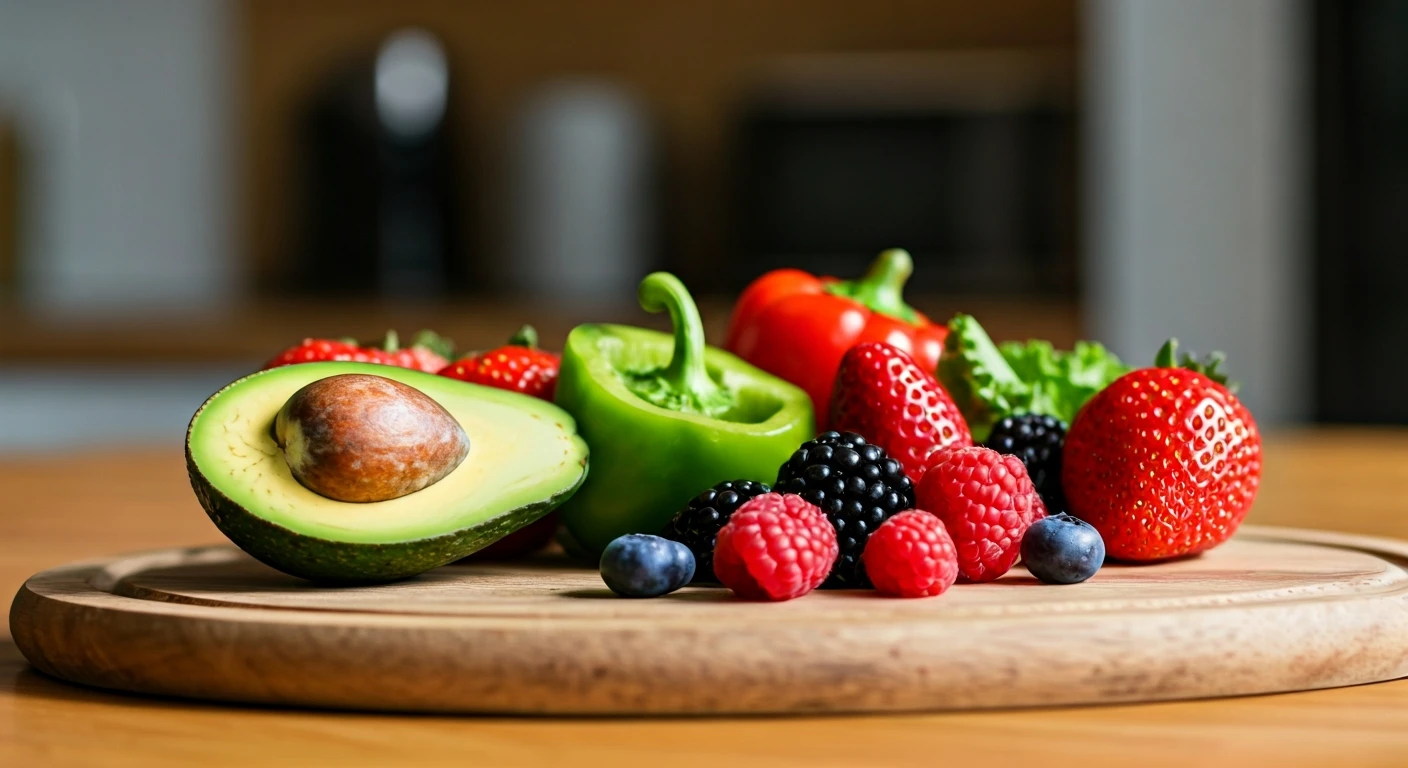


Embracing Freshness & Quality
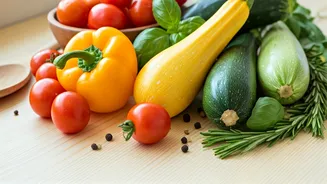
Prioritizing the freshness and quality of ingredients is paramount to the art of simplified cooking. The flavors inherent in fresh produce, especially
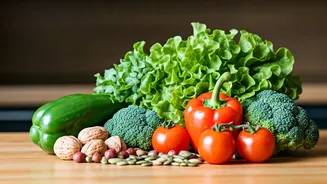
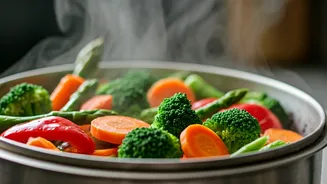
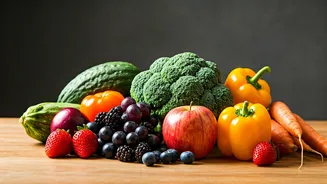
seasonal vegetables and fruits, are vibrant and often need minimal enhancements to shine. Choosing locally sourced ingredients whenever possible not only supports local farmers but also guarantees access to the freshest and most flavorful options. Furthermore, understanding the impact of high-quality ingredients extends beyond taste; it also influences the nutritional value of your meals. Selecting lean proteins, such as fish and poultry, and whole grains as the foundation of your dishes significantly enhances the health benefits. Simple preparations often best highlight the quality of your ingredients. Grilling, roasting, or steaming are fantastic methods to preserve the natural flavors and textures. For instance, a perfectly roasted chicken, seasoned simply with salt, pepper, and herbs, can be a culinary masterpiece without requiring an array of complex sauces. By focusing on ingredient quality, you ensure that every bite is not only delicious but also filled with beneficial nutrients. This approach simplifies the cooking process as it reduces the need to mask poor-quality ingredients with complex flavors, allowing the inherent goodness of your food to speak for itself. Moreover, this approach encourages you to adopt a more mindful and sustainable approach to eating, where you can deeply appreciate each ingredient. By understanding the provenance and the benefits of each ingredient you use, you enhance your overall cooking experience.
Mastering Basic Techniques
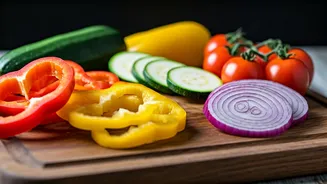
Gaining competence in basic cooking techniques is an essential step towards simplifying your culinary endeavors. Starting with fundamental skills, like mastering knife skills, is crucial. Proper chopping, dicing, and mincing ensure even cooking and add a professional touch to your meals. Another crucial skill is understanding the correct use of heat. Learning how to sauté vegetables, brown meats, and simmer sauces allows you to unlock a wide range of flavors and textures. Consider the humble sauté: a quick sear in a hot pan can caramelize vegetables, creating a depth of flavor that a bland steam cannot. Equally essential is understanding the basics of cooking with different fats and oils, and knowing how to adjust the heat based on the food being cooked. Beyond these fundamental methods, mastering the ability to correctly season your food is essential. This starts with knowing how much salt to use and how to effectively incorporate herbs and spices to enhance the natural flavors of your ingredients. Experimenting with different flavor combinations allows you to develop your own signature dishes. By prioritizing these skills, the complex world of cooking becomes accessible and manageable, transforming you into a more confident and creative cook. Building a foundation in these simple, but versatile methods empowers you to adapt and experiment with various recipes, leading to a culinary experience that is both simple and enjoyable.
Meal Planning & Preparation
Meal planning is a powerful tool for simplifying your cooking life. Allocating time each week to plan your meals, create grocery lists, and even prepare some ingredients in advance can dramatically reduce mealtime stress. Begin by examining your weekly schedule, noting days when you’ll have less time for cooking, and selecting simple recipes for those days. Then, create a detailed grocery list, organizing it by sections of the grocery store to save time during your shopping trip. Prepping ingredients in advance, like washing and chopping vegetables or marinating proteins, makes the actual cooking process much faster and more efficient. Batch cooking is another effective strategy for simplifying your eating habits. Preparing a large batch of a dish, such as a hearty soup or a slow-cooked stew, provides multiple meals. You can store leftovers in the refrigerator or freeze them for future use. This practice not only saves time but also encourages healthy eating habits, as you're less likely to opt for less nutritious choices when a homemade meal is readily available. Embracing meal planning also offers benefits beyond convenience. By planning your meals, you can make informed decisions about your diet, ensuring you include a variety of nutrients and reduce your reliance on processed foods. Experimenting with different meal planning strategies allows you to adapt the process to your lifestyle and preferences, making it a sustainable part of your weekly routine, and transforming the complex process of cooking to a simplified, enjoyable, and rewarding experience.