





Summer's Deadly Toll
The relentless heatwaves sweeping across India present a dire crisis for avian populations. Birds, often unseen, struggle silently against the oppressive
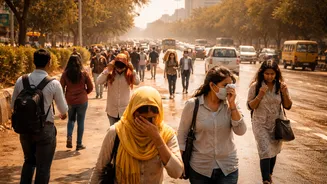
temperatures. You might observe a bird perched unnaturally, its beak slightly open and wings drooping, not out of rest but a desperate attempt to regulate its body temperature and simply survive. Unlike humans, they lack immediate access to cooling systems or readily available water. This year, the intensity of these heatwaves has pushed many species to their limits, leading to alarming incidents where birds have collapsed mid-flight, disoriented and severely dehydrated. Rescuers in regions like Gujarat have reported finding dozens of birds falling from the sky daily due to extreme heat and exhaustion. In cities such as Ahmedabad, veterinary hospitals have treated thousands of birds within mere weeks, many critically ill from dehydration and heat stress. Even in bustling urban environments like Delhi, wildlife rescue teams have noted a substantial increase in birds succumbing to heatstroke from a lack of water and adequate shelter. The primary reason behind this escalating tragedy is the drastic reduction of natural water sources; puddles vanish, lakes recede, and urbanised landscapes offer little sanctuary. Without immediate access to water, these creatures face a critical race against time to stay alive.
Vulnerability Explained
Birds possess inherently high metabolic rates and relatively small body masses, a physiological combination that causes them to dehydrate quite rapidly. Their primary methods for coping with intense heat include panting to release excess body heat, seeking out shaded areas to rest, and minimizing physical activity. However, during prolonged and extreme heatwave conditions, these natural coping mechanisms often prove insufficient to stave off the dangers of dehydration. The onset of dehydration can be alarmingly swift, and in severe instances, it escalates into heatstroke, a condition from which many birds are unable to recover. Compounding these challenges is the pervasive impact of urbanisation. The proliferation of concrete structures and the reduction of green spaces, including trees and natural water bodies, leave birds navigating environments that are adept at trapping heat while offering minimal respite. This stark contrast between their natural habitat and the built environment significantly exacerbates their vulnerability during hot spells.
A Simple Lifeline
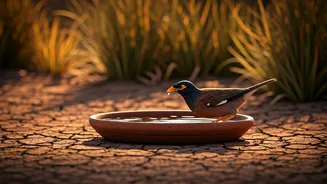
Amidst this escalating crisis, one of the most effective and accessible solutions requires minimal effort: placing a bowl of water outdoors. This seemingly minor act can be the decisive factor between life and death for a parched bird. Experts strongly advocate for the use of clean, fresh water housed in shallow containers, preferably situated in shaded locations. It is also recommended to replenish the water daily to ensure its efficacy. Even seemingly limited spaces like a small balcony, a terrace, or a window ledge can be transformed into a vital source of hydration and a potential refuge. Beyond just water, there are additional ways to support birds during these harsh conditions. Creating micro-refuges with plants and shrubs, or even ensuring simple shaded corners, can provide birds with essential resting spots during the peak heat of the day. Furthermore, during periods of extreme heat when natural food sources dwindle, offering a small amount of grain or fruit can help birds maintain their energy levels, further aiding their survival.
Community Action Matters
While there isn't one singular solution to the complex challenges avian species face in an increasingly warming world, the power of collective small actions cannot be overstated. These individual efforts, when combined, can establish a vital network of support across both urban and rural landscapes. In numerous communities, concerned citizens have already taken the initiative to place water bowls on streets, rooftops, and outside their shops, effectively transforming their neighbourhoods into informal sanctuaries for urban wildlife. The positive impact of these initiatives is consistently affirmed by experts and wildlife rescue organisations, who highlight that community-driven efforts to provide water significantly contribute to reducing bird mortality during heatwave events. This is more than just an act of kindness; it's becoming a necessity in the face of a changing climate where extreme heat is a recurring phenomenon. Coexistence with nature is no longer a choice but an imperative. A humble bowl of water might seem insignificant, but to a bird battling the intense heat, it represents hope, a moment of relief, and ultimately, a chance at survival. Sometimes, the most profound impact can be achieved with very little – just a bit of water and a compassionate willingness to help.