




A Remote Wilderness Escape
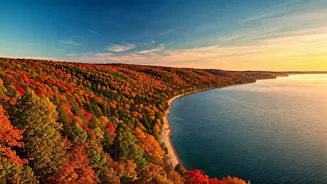
Tucked away in the vast expanse of Lake Superior, Michigan's Isle Royale National Park presents a rare opportunity for genuine escape. Its remote location,
accessible only by a multi-hour ferry or seaplane journey from Michigan's Upper Peninsula or northern Minnesota, acts as a natural barrier, preserving its pristine wilderness and ensuring a tranquil experience for the few who venture there. Unlike the thronged popular national parks, Isle Royale welcomes fewer than 30,000 visitors annually, a stark contrast to the millions drawn to places like Zion. This isolation, combined with its car-free environment, transforms the park into an ultimate backcountry haven. Here, visitors can immerse themselves in dense fir and spruce forests, navigate boggy swamps, and encounter a rich tapestry of wildlife, including moose, wolves, and beavers. The island's unique soundscape, often featuring the haunting calls of loons, further enhances the feeling of being truly disconnected from the everyday world and deeply connected with nature.
Adventures Await Explorers
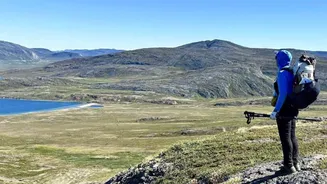
Isle Royale National Park beckons the adventurous spirit with a variety of engaging activities, primarily centered around its rugged, natural landscape. Backpacking is a cornerstone of the Isle Royale experience, offering an ideal introduction to the activity for beginners due to the absence of large predators like bears and mountain lions and less extreme elevation changes compared to western mountain ranges, though the terrain can be uneven, necessitating sturdy hiking boots. Visitors arriving via ferry from Copper Harbor might explore the northeastern end over five days, covering five to 12 miles daily, while those coming from Minnesota often focus on the western side. For the truly dedicated, the 40-mile Greenstone Ridge Trail offers a week-long traverse. Day hikers can enjoy scenic routes like the Stoll Memorial Trail from Rock Harbor Lodge, offering lake views and woodland tranquility, or venture to Suzy's Cave. From the Windigo Visitor Center, the Minong Ridge Overlook provides a rewarding six-mile round-trip hike, and the Grace Creek Overlook offers wildlife viewing opportunities along a four-mile route. For those who prefer to explore by water, kayaking or canoeing around the island is another exhilarating option. Guided excursions, like those offered by Pictured Rocks Kayaking, allow multi-day paddles along the eastern edges, with nights spent camping in secluded spots.
Celestial Wonders Unveiled
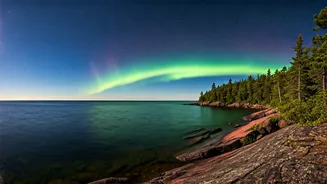
The profound remoteness of Isle Royale National Park translates into an extraordinary stargazing experience, with night skies that are simply sublime. On clear nights, the Milky Way stretches across the heavens in breathtaking detail, punctuated by shooting stars and the distinct visibility of planets and galaxies. For the truly fortunate, the park offers chances to witness the mesmerizing spectacle of the northern lights. While aurora sightings require a combination of clear skies and geomagnetic activity, Isle Royale provides a prime location. To maximize the chances of seeing the aurora, which typically appears on the northern horizon, it's important to be aware of your surroundings. Many campgrounds are situated on the park's southern side, so venturing north of the ridge may be necessary for optimal viewing. Locations like Lane Cove Campground, where the author experienced a spectacular aurora display, are ideal. Other northern-facing spots that offer excellent aurora viewing potential include Little Todd Campground and Grace Island Campground on the western Windigo side of the island. The combination of minimal light pollution and a northerly latitude creates an unparalleled celestial theater.
Planning Your Visit
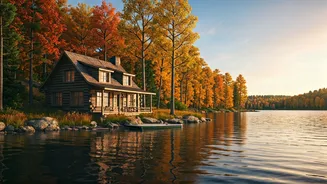
Preparing for a trip to Isle Royale National Park involves understanding its unique operational season and accommodation options. The park officially opens its gates from mid-April through October, with winter months seeing a closure due to the unpredictable and often severe weather conditions typical of the region. This seasonal limitation is crucial for trip planning. When it comes to staying overnight, visitors have a few choices. For those seeking comfort, the Rock Harbor Lodge provides on-site dining facilities and lodging. Alternatively, the park offers two rustic campgrounds for a more primitive experience. However, a significant portion of visitors opt for the nearly 40 first-come, first-served campgrounds scattered throughout the island, offering a truly immersive wilderness experience. Many also choose to camp aboard their own vessels, arriving by boat from the mainland. Regardless of the chosen accommodation, visitors should be prepared for a backcountry-focused adventure, prioritizing self-sufficiency and respect for the natural environment.