

A Culinary Enigma
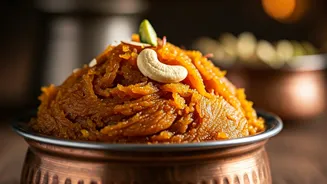
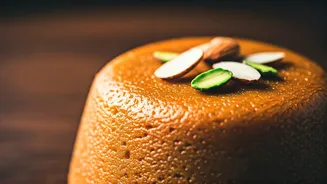
Despite its name referencing the holy city of Kashi, Kashi Halwa is a cherished delicacy deeply rooted in Tamil and Kannada culinary traditions. This traditional
South Indian dessert, renowned for its glistening appearance and rich flavor, is a common sight at significant events like weddings and the vibrant Deepavali festivities. Its preparation, primarily using white pumpkin (ash gourd), sugar, and ghee, is a testament to how simple ingredients can be transformed into an exquisite sweet treat. The name 'Kashi' is thought to be an ode to purity and auspiciousness, a sentiment that aligns perfectly with the ceremonial occasions where this halwa is traditionally served. It's a dish that beautifully marries culinary art with cultural symbolism, making it much more than just a dessert; it's a symbol of celebration and tradition in South India.
Crafting the Glistening Treat
The creation of Kashi Halwa is a patient process, beginning with grated ash gourd, also known as white pumpkin or winter melon. This seemingly humble vegetable undergoes a slow-cooking transformation, with its moisture gradually evaporating as it melds with sugar and copious amounts of ghee. This meticulous cooking method is key to achieving the halwa's signature translucent quality and melt-in-your-mouth texture. The neutral taste of the ash gourd serves as a perfect canvas, allowing the sweetness of the sugar and the aromatic richness of the ghee to take center stage without becoming cloying. The addition of fragrant cardamom provides a subtle aromatic lift, while sometimes, toasted cashews are incorporated for a delightful textural contrast and nutty undertone, enhancing the overall sensory experience of this beloved sweet.
Tirunelveli's Festive Staple
The town of Tirunelveli in Tamil Nadu holds a special connection to Kashi Halwa, being its most celebrated origin. For generations, this dessert has been an indispensable part of local celebrations, gracing the tables at weddings, temple festivals, and grand feasts, particularly within Tamil Brahmin communities. Its presence signifies prosperity and joy. Today, Kashi Halwa continues to be a beloved heritage sweet, readily available in sweet shops and prepared in homes across Tamil Nadu. It’s also increasingly making its mark at food festivals and on menus dedicated to reviving and showcasing the authentic tastes of traditional South Indian confectionery, ensuring its legacy continues to delight new generations.