
Initial Visual Inspection
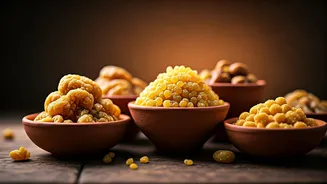
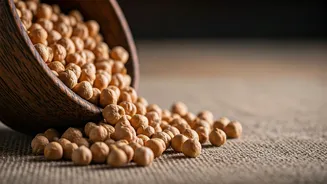
Begin with a thorough visual inspection of your chana. Spread a handful on a clean, flat surface and examine each piece. Pure chana typically presents
a uniform appearance, with a consistent color and size across the batch. Look out for any unusual elements, such as discolored or oddly shaped pieces, as these might signal the presence of foreign substances. Additionally, check for signs of damage or insect infestation, which could indicate poor storage or handling. Pay close attention to the overall texture; genuine chana should feel firm and not overly soft or dusty. Comparing the chana to a known pure sample can assist you in distinguishing between pure and possibly adulterated chana.
The Water Test
The water test offers a straightforward way to test chana's purity. Take a small amount of chana and immerse it in a glass of clean water. Stir gently, and then observe. Pure chana will sink to the bottom of the glass. The presence of adulterants, which are often lighter than chana, will cause these to float at the top. Substances like sand or other particles may settle at the bottom. The clarity of the water is also important: pure chana typically leaves the water clear, while adulterated chana can discolor the water. This quick, simple test is an excellent initial screen for spotting possible contaminants. If significant floating particles or discoloration is observed, the chana might not be pure.
The Rubbing Test
Employ the rubbing test as a quick method to assess chana's integrity. Take a small quantity of chana and rub it vigorously between your palms. Pure chana will release its natural scent, which should be fresh and slightly earthy. This rubbing action can help determine if any foreign substances have been added. If the chana has been tampered with, you may feel an unusual texture, such as grittiness, from added ingredients. The odor can also provide clues; a musty, chemical, or otherwise unnatural smell may indicate adulteration. Examine your hands after rubbing the chana, if you find any stains or a visible residue, this could also point to adulteration. The rubbing test is particularly useful for identifying added colors or coatings used to disguise lower-quality chana.
The Taste Test
The taste test provides immediate feedback regarding chana's quality. Chew a small amount of chana slowly. Pure chana will have a mild, slightly sweet, and nutty flavor, free from any strange aftertastes. Watch out for any unusual sensations, like a metallic taste or any hint of bitterness, which could indicate additives or contaminants. The texture is crucial: adulterated chana can present with an unusually gritty or chalky mouthfeel. If the chana tastes exceptionally bland or if it's accompanied by an unusual taste, it might have undergone some form of adulteration. The taste test is a direct and intuitive method for determining the freshness and purity of the chana you are consuming. Be wary of any off-flavors that deviate from the expected taste.
The Color Test
The color test helps in detecting artificial coloring or foreign particles that might have been added to chana. Observe the chana's color in natural light. Pure chana should exhibit a uniform, natural color, characteristic of its variety. Examine for any unusual shades, such as unnaturally bright or uneven coloring, which can suggest that colorants have been introduced to mask imperfections or enhance appearance. A small amount of chana can also be crushed and mixed with water to see if any artificial colors leach out. If the water turns an unusual color, this might indicate the presence of added dyes. Be vigilant for any anomalies in the color; this simple test will assist you in ensuring that the chana is free from artificial coloring.
The Cooking Test
Perform a cooking test to evaluate how the chana behaves during the cooking process. Cook a small batch of the chana in water until it's soft. Pure chana will cook uniformly, becoming tender with a consistent texture. If adulterated, the chana might exhibit uneven cooking, with some pieces remaining hard while others become mushy. Examine the water in which the chana is cooked. The water should remain clear, with a slight starchiness, if the chana is pure. The presence of significant cloudiness or discoloration might indicate adulterants leaching out. If the chana fails to cook evenly or the water shows abnormalities, it could signify adulteration. The cooking test serves as a useful way to see how the chana will perform in dishes, therefore protecting the consumer.
Check For Foreign Objects
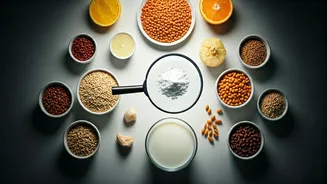
Carefully inspect the chana for any foreign materials. Spread a small portion on a clean surface and closely examine each piece. Look out for any small stones, dirt, or other non-chana items that may have contaminated the sample. Adulterated chana might contain these materials to increase the weight and the profit margin of the dishonest seller. Use a magnifying glass if you need to spot tiny objects that are otherwise difficult to see. It is also important to feel the chana. If the chana feels rough or gritty, this might indicate the presence of sand or other particulate matter. Removing these unwanted elements, if detected, ensures the safety of consumption, preventing potential harm and ensuring a superior culinary experience.