





Understanding Inflammation's Roots
Inflammation, a crucial part of our body's natural healing process, can become detrimental when it turns chronic. This persistent state can significantly
contribute to serious health concerns like heart disease, diabetes, and certain cancers. While stress and lifestyle choices certainly play a role, the food we consume stands out as a highly impactful and modifiable factor. By consciously choosing foods that help to quell inflammation and consciously reducing those that exacerbate it, we can initiate meaningful changes over time. This dietary adjustment is not about a single meal but rather the sustained eating patterns that shape our internal environment and influence our long-term health outcomes.
The Dietary Inflammatory Index
To scientifically gauge the inflammatory potential of our eating habits, there exists a validated tool known as the Dietary Inflammatory Index (DII). This system meticulously assesses a wide array of dietary components and nutrients, assigning scores based on their known effects on inflammatory markers within the body. Researchers meticulously examine approximately 45 different dietary elements, including crucial factors like fibre content, omega-3 fatty acids, and polyphenols, alongside less beneficial elements such as processed meats, sugar, and trans fats. The scoring is designed so that a lower or more negative score indicates a diet that is less likely to trigger inflammation. Understanding your DII score can offer a clearer, science-backed perspective on how your food choices directly influence your body's inflammatory response and overall health.
Plant-Focused & Mediterranean Diets
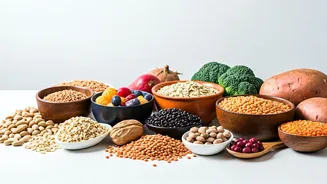
When examining dietary patterns through the lens of inflammation, plant-focused and Mediterranean styles of eating consistently emerge as the most beneficial. These dietary approaches typically achieve the lowest DII scores, often falling in the range of -3 to -4, indicating a potent anti-inflammatory effect. Research has shown that adhering to a Mediterranean diet can lead to a significant reduction in C-reactive protein (CRP), a key inflammatory marker, by approximately 30 percent. In stark contrast, the standard Western diet, characterized by its high consumption of processed meats, refined carbohydrates, and a general lack of dietary fibre, tends to score higher, typically between +2 to +4. This higher score positions it as a pro-inflammatory dietary pattern, often linked to poorer long-term health outcomes and increased disease risk.
Prioritizing Key Nutrients
The foundation of an anti-inflammatory diet rests on a consistent intake of specific nutrients and food groups that actively combat inflammation. Primarily, an increased emphasis on dietary fibre is paramount, as it plays a crucial role in gut health and reducing inflammatory responses. Equally important are omega-3 fatty acids, renowned for their potent anti-inflammatory properties; these are readily found in fatty fish like salmon and mackerel, as well as in plant sources such as flaxseeds and walnuts. Furthermore, embracing a diet rich in polyphenols, abundant in colourful fruits, vegetables, and even dark chocolate, provides powerful antioxidant benefits that neutralize damaging free radicals. Conversely, limiting foods that fall into the 'unholy trinity' for metabolic health—high saturated fat, excessive salt, and low fibre—is essential for preventing a pro-inflammatory state and promoting overall well-being.
Foods to Limit
To effectively transition towards a more anti-inflammatory eating pattern, it's crucial to identify and significantly reduce the consumption of foods that actively promote inflammation. This primarily involves curbing intake of the 'unholy trinity' identified as detrimental to metabolic health. High levels of saturated fat, commonly found in processed meats, fatty cuts of red meat, and certain fried foods, contribute significantly to inflammatory processes in the body. Similarly, excessive salt intake, often prevalent in processed and convenience foods, can also elevate inflammation. Perhaps most critically, a diet that is low in fibre forces the body to work harder and can disrupt the balance of gut bacteria, indirectly fueling inflammation. Limiting these components is as vital as increasing beneficial nutrients for achieving a lower DII score and fostering long-term health.