






Enhanced NCR Mobility
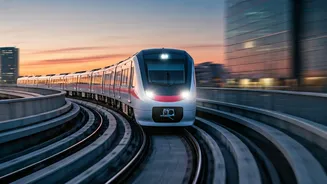
Prime Minister Narendra Modi recently marked a pivotal moment for the National Capital Region's public transportation by inaugurating the Meerut Metro
and flagging off the Namo Bharat train. This grand launch took place at the Shatabdi Nagar Station in Uttar Pradesh, signifying a monumental leap in regional connectivity and urban transit solutions. The event underscored the government's dedication to developing efficient and sustainable public transport networks that cater to the growing needs of the populace. By integrating these new services, the aim is to create a seamless travel experience for commuters, reducing the reliance on private vehicles and fostering a more eco-friendly commuting culture within the bustling NCR.
Expanded RRTS Network
The inauguration included the grand opening of the 82-kilometer-long Delhi-Meerut Namo Bharat Corridor, alongside the activation of previously unoperational segments of the Rapid Regional Transit System (RRTS). Specifically, the 5-kilometer stretch linking Sarai Kale Khan in Delhi with New Ashok Nagar has now opened, as has the 21-kilometer segment in Uttar Pradesh, connecting Meerut South to Modipuram. This expansion is crucial for bridging key urban centers and facilitating smoother movement across the region. The Prime Minister himself experienced the new service, riding the Meerut Metro to Meerut South Station and engaging with passengers, highlighting the tangible benefits and passenger-centric design of these modern transit systems.
Namo Bharat Speeds Ahead
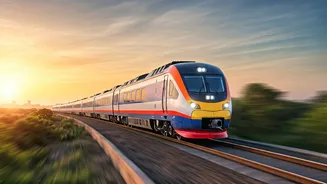
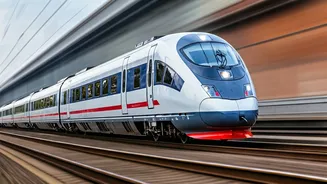
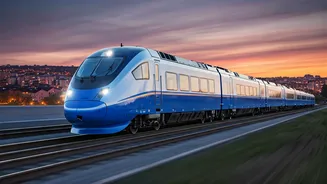
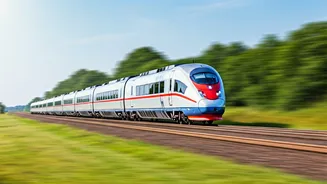
The Namo Bharat RRTS is engineered for impressive performance, designed to reach speeds of up to 180 kmph. This capability is set to dramatically slash travel durations between Delhi and essential urban nodes like Sahibabad, Ghaziabad, Modinagar, and Meerut. The Sarai Kale Khan station, serving as the corridor's genesis point, has been meticulously developed into a comprehensive multimodal transport hub. It now offers integrated connections to the Hazrat Nizamuddin Railway Station, the Delhi Metro's Pink Line, and the Veer Haqeeqat Rai ISBT, alongside access to the Ring Road. This strategic integration aims to make onward journeys more convenient and efficient for a larger number of commuters.
India's Fastest Metro
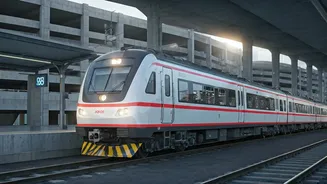
In Meerut, the newly operational stations – Shatabdi Nagar, Begumpul, and Modipuram – are now accessible, further enhancing local transit. The Meerut Metro, which runs on infrastructure shared with the Namo Bharat RRTS, boasts a maximum operational speed of 120 kmph. This makes it India’s fastest metro corridor, a significant achievement in urban rail infrastructure. The entire journey across this segment is projected to take approximately 30 minutes, including all scheduled stops. This integration of regional rapid transit and urban metro services sets a new precedent for collaborative and efficient public transportation networks across the nation.
Sustainable Urban Future
The collective impact of these infrastructural advancements is expected to be far-reaching. Commuters will experience reduced travel times, and the consequential decrease in vehicular congestion on roads will lead to a significant reduction in vehicular emissions. This initiative aligns with the government's broader agenda to modernize public transport, thereby enhancing the ease of living for citizens. The focus on efficient and environmentally sustainable travel solutions is a cornerstone of this vision, aiming to create healthier and more livable urban environments. These projects represent a substantial investment in a greener, more connected future for the NCR.