





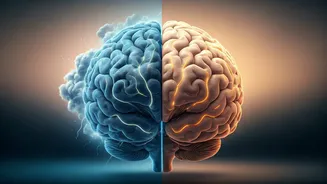


Stress's Silent Sabotage
Prolonged exposure to stress, even subtle forms, triggers the body's release of excess cortisol. This crucial hormone, while essential for short-term responses,
can interfere with the intricate communication network between the brain and reproductive organs when its levels remain elevated. This disruption can manifest as a cascade of physical and emotional issues, including irregular menstrual cycles, more severe premenstrual syndrome (PMS) symptoms, persistent acne, unpredictable weight fluctuations, and even challenges with conception. Furthermore, many women experience unexplained irritability, pervasive anxiety, and overwhelming exhaustion, symptoms often overlooked as hormonal imbalances because they aren't immediately recognized as such. Dr. Prerna Goyal highlights that these are not minor inconveniences but direct consequences of our body's sustained stress response impacting fundamental regulatory processes.
Sleep: A Crucial Regulator
Adequate sleep is far more than just a period of rest; it is a fundamental process vital for the body's restorative functions and plays a paramount role in regulating essential hormones. During sleep, crucial substances like cortisol, insulin, melatonin, and sex hormones are managed and rebalanced. When sleep patterns become erratic, this delicate equilibrium is compromised. Dr. Goyal emphasizes that even a few nights of poor sleep can significantly impair the body's stress response mechanisms and alter insulin sensitivity. Consequently, sleep disturbances frequently contribute to heightened cravings for unhealthy foods, a general sense of hormonal discord, and unpredictable mood swings, underscoring the profound connection between sleep quality and hormonal health.
Screens' Hidden Influence
The pervasive use of screens, particularly during the evening hours, exerts a surprisingly significant impact on our hormonal well-being. Engaging with phones or laptops late at night exposes our brains to blue light, a spectrum of light that actively suppresses the production of melatonin. Melatonin is the critical hormone responsible for signaling to the body that it's time to wind down and prepare for sleep. When melatonin is inhibited, the brain remains in an alert state, thus diminishing sleep quality. This disruption directly impacts hormonal balance. Over time, this creates a detrimental cycle: inadequate sleep exacerbates stress, and the resulting discomfort often leads to increased screen time as a coping mechanism, further perpetuating the cycle of poor sleep and hormonal imbalance.
The Interconnected Cycle
The most significant challenge to hormonal equilibrium doesn't stem from a single detrimental habit but rather from the synergistic interplay between them. For instance, a particularly stressful day might lead to prolonged late-night scrolling through social media. This behavior subsequently degrades sleep quality. The following day, a sleep-deprived individual finds it more challenging to cope with stress, potentially leading to further unhealthy habits. Doctors observe that common symptoms like bloating, acne breakouts, irregular menstrual cycles, persistent fatigue, and pronounced mood swings are often the initial indicators of this escalating imbalance. Dr. Goyal points out that these lifestyle factors rarely operate in isolation; instead, they progressively build upon each other, creating a complex and persistent cycle of hormonal disruption.
Pathways to Harmony
Reclaiming hormonal balance doesn't necessitate radical life overhauls. Commencing with small, manageable changes can yield substantial improvements. Prioritizing adequate rest, consciously reducing screen exposure in the hours leading up to bedtime, and implementing effective stress management techniques—such as mild exercise or mindfulness practices—are vital steps. Adhering to a balanced and nutritious diet further supports this process. However, if symptoms persist or worsen, seeking professional medical advice is crucial. A doctor can help rule out underlying conditions like thyroid dysfunction or Polycystic Ovary Syndrome (PCOS). Ultimately, achieving hormonal wellness is a blend of natural bodily processes and conscious daily choices, where recognizing and addressing seemingly innocuous habits can significantly impact overall health.