

Macaroni's Cheesy Embrace
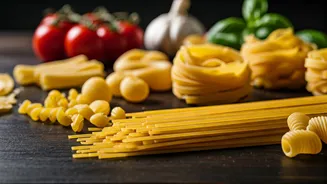
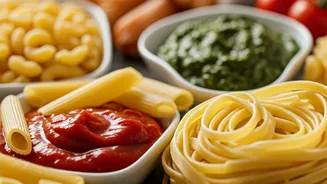
Macaroni, with its signature short, curved tubular form, is a cornerstone of hearty, comforting pasta creations. Its hollow interior acts like a miniature
vessel, adeptly capturing and holding rich, creamy cheese sauces. This makes it the quintessential choice for baked macaroni and cheese, where each bite is infused with a decadent, cheesy essence. Beyond its capacity to cradle sauce, macaroni possesses a unique textural quality that softens beautifully when baked, lending itself well to layered oven dishes. While its ability to absorb flavor is a major advantage, one should be mindful that in extremely rich preparations, the dense nature of macaroni might feel a touch heavy on the palate, a small consideration for those prioritizing lighter fare.
Penne's Alfredo Affinity
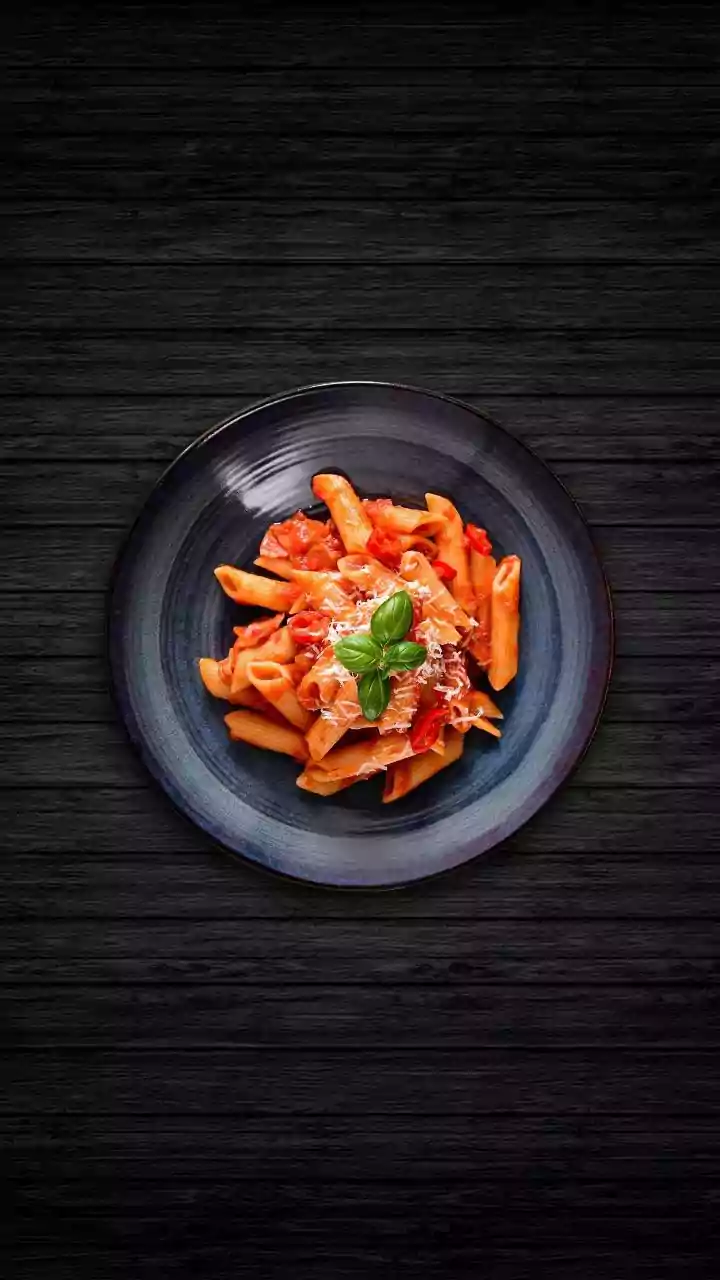
Penne, a robust tube-shaped pasta with angled ends, is a frequent star in velvety Alfredo dishes. Its sturdy structure, complete with a hollow core and often a ridged exterior, provides an ideal surface for thick, luxurious cream-based sauces to adhere to. When paired with Alfredo, penne ensures that each mouthful offers a harmonious blend of pasta, sauce, and any additional ingredients like tender chicken or crisp vegetables. This pasta's firm texture is well-equipped to handle substantial sauces without disintegrating, delivering a satisfying chew. However, for individuals seeking a less filling meal, the substantial nature of penne might contribute to a sense of fullness.
Spaghetti's Light Touch
Spaghetti, the archetypal long, thin strand, excels when paired with lighter, smoother sauces, particularly those based on oil or delicate tomato infusions. Classic preparations like Aglio e Olio, a simple garlic and oil pasta, or a bright Marinara benefit immensely from spaghetti's ability to evenly coat each strand with flavor without overwhelming the diner. This characteristic keeps the dish feeling light and balanced. While its slender form is perfect for these refined sauces, spaghetti proves less suitable for sauces laden with chunky ingredients or thick, creamy textures, as it lacks the structural integrity to effectively cradle such elements.
Fusilli's Flavor Traps
The distinctive spiral shape of fusilli makes it a champion at capturing and holding onto a variety of sauces and small ingredients. Whether it's the vibrant essence of pesto, finely chopped herbs, small pieces of vegetables, or grated cheese, the twists and turns of fusilli ensure that flavor is distributed generously in every portion. This makes it an excellent choice for dishes where a medley of ingredients is involved, and it performs admirably in both hot pasta meals and chilled pasta salads. However, similar to macaroni, its density can mean it feels quite substantial when combined with particularly thick sauces.
Farfalle's Bow-Tie Appeal
Farfalle, affectionately known as bow-tie pasta, brings a unique textural dimension to dishes, often finding its place in creamy or fusion-style recipes. Its design features a firmer, thicker center that maintains its shape, contrasting with the softer, more delicate edges that readily absorb surrounding sauces. This interplay of textures adds an engaging element to each bite. Farfalle is also visually appealing on the plate, adding an aesthetic flair. A key consideration during preparation is ensuring even cooking, as the center and edges can cook at slightly different rates if not managed carefully.
Fettuccine's Rich Embrace
Fettuccine, characterized by its wide, flat ribbons, is a pasta shape traditionally designed for indulgence, perfectly complementing rich and creamy sauces. Dishes such as a decadent mushroom cream pasta or variations of the classic Alfredo benefit significantly from fettuccine's broad surface area, which allows it to generously coat and hold luxurious sauces. The result is typically a hearty and deeply satisfying meal, ideal for those who appreciate bold flavors and a more substantial dining experience rather than a light, delicate dish.