



The Rice Reinvention
In a significant stride for nutritional science, researchers at the CSIR – National Institute for Interdisciplinary Science and Technology in Thiruvananthapuram,
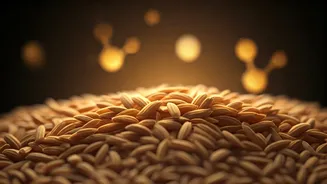
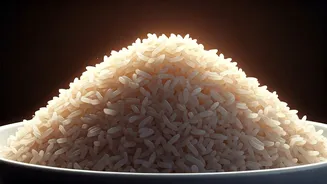
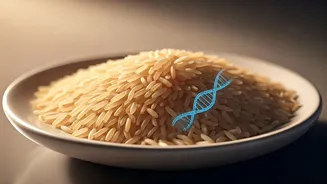
Kerala, have developed a novel form of rice. This isn't your everyday grain; it's a product of innovative food-processing technology, meticulously redesigned to significantly enhance its nutritional profile. Unlike conventional white rice, which is predominantly starch and can lead to rapid blood sugar increases, this 'designer rice' has undergone a fundamental structural alteration. The process involves deconstructing the original grain into its core components – starch, protein, and fiber – and then precisely reassembling them. This scientific re-architecture aims to create a staple food that not only retains its familiar taste and cooking characteristics but also serves as a potent tool for metabolic health and a proactive solution for widespread malnutrition, especially in regions where rice is a primary food source. This innovation addresses the growing concern of Type 2 diabetes linked to high carbohydrate intake, offering a more balanced and beneficial alternative without necessitating drastic dietary changes.
From Broken Grains to Powerhouse
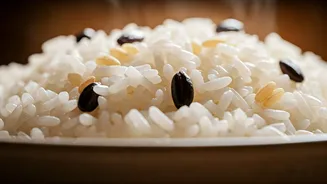
The creation of this advanced rice involved a clever approach that leverages what was previously considered less valuable. Instead of genetically modifying the grain, scientists utilized sophisticated food-processing techniques. They started with broken rice, the smaller fragments often sold at a lower price, which they ground into a fine flour. This flour was then blended with a substantial amount of protein and essential micronutrients, including iron, folic acid, and vitamin B12. The mixture was subsequently reformed into grains that are indistinguishable from regular rice in appearance, texture, and taste. This method ensures that the benefits are deeply integrated into the grain's structure, rather than being a superficial coating. The result is a nutritionally dense food that boasts over 20% protein content, a significant leap from the 6-8% found in normal rice, while also incorporating vital fortifiers to combat deficiencies like anemia.
Diabetes Friendly Properties
A key advantage of this 'designer rice' is its remarkably low glycemic index (GI), falling below 55. This characteristic is crucial for individuals managing diabetes, as it means the rice releases energy into the bloodstream slowly and steadily. This gradual release prevents the sharp spikes and subsequent crashes in blood sugar levels that are detrimental to diabetics. By consuming this rice, individuals can maintain more stable energy levels throughout the day, reducing the risk of hyperglycemia. This low-GI nature makes it a more sustainable and beneficial carbohydrate source, promoting better metabolic control and contributing to overall well-being. It offers a way for people to continue enjoying a staple food like rice without compromising their health goals, providing a proactive dietary strategy for managing a condition that affects millions.
Nutritional Impact and Accessibility
The 'designer rice' promises to be a significant boon to protein intake, especially for populations where rice is a dietary cornerstone. With its protein content exceeding 20%, it addresses the common protein deficit, particularly for vegetarians or those with limited access to diverse protein sources. This enhanced protein not only contributes to better muscle health and satiety but also offers stable energy throughout the day. Beyond protein, the integration of iron, folic acid, and vitamin B12 directly into the grain structure serves as a powerful defense against common deficiencies like anemia, bridging nutritional gaps that impact public health. Crucially, this innovation is not confined to research labs; CSIR-NIIST has transferred the technology to industry leaders, paving the way for its commercialization and widespread availability in local grocery stores. This ensures that a culturally familiar food is enhanced to meet modern health needs, making improved nutrition accessible without demanding a complete overhaul of dietary habits.