



Sattu: The Traveler's Powerhouse
In the sweltering northern Indian plains, warriors and travellers depended on Sattu, a readily transportable and energy-dense food derived from roasted
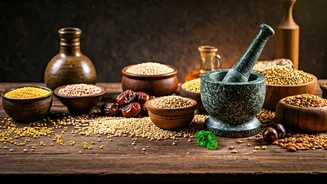
gram flour. This versatile ingredient could be mixed with water, salt, jaggery, or spices to create an instant, satisfying drink that swiftly replenished energy reserves. Its primary appeal lay in its convenience; the roasted gram flour needed minimal preparation, making it ideal for journeys. A small quantity of sattu was sufficient to prepare a filling beverage or even a dough, offering a dependable and practical source of sustenance. Historical accounts reveal that soldiers, particularly in regions like Bihar and eastern Uttar Pradesh, carried sattu on extended marches. Modern-day farmers and labourers still embrace it as a natural energy enhancer, believed to keep the body cool and well-nourished during demanding physical labour, owing to its rich content of protein, fiber, and essential minerals such as iron and magnesium.
Bajra Roti with Ghee
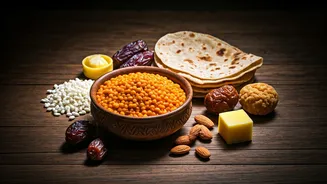
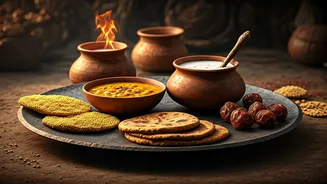
Across the arid terrains of Rajasthan, where formidable warrior clans like the Rajputs often emerged, hardy grains formed the cornerstone of their diet. Pearl millet, or Bajra, stood out as a paramount staple. Warriors preparing for arduous days often consumed thick Bajra rotis generously slathered with ghee. This dish is abundant in complex carbohydrates, iron, and protein, making it exceptionally suited for maintaining stamina. When combined with ghee, a concentrated source of healthy fats, the meal provided sustained energy and aided in muscle recovery. Bajra's resilience in harsh desert climates, where other crops falter, made it a practical and reliable choice for communities in rugged landscapes. Its dense nutritional profile ensured that even simple preparations offered enduring energy and strength for prolonged periods of intense physical activity. The simplicity of this meal belied its profound impact, with just a couple of Bajra rotis capable of keeping a warrior energized for many hours.
Khichdi: Humble yet Mighty
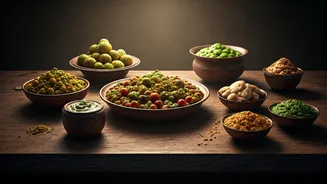
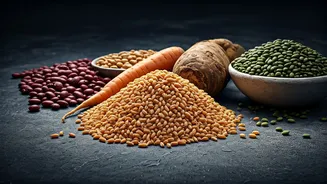
Though frequently perceived today as a comforting meal, Khichdi once served a vital practical purpose for warriors and travellers. This dish, created by simmering rice and lentils together with mild spices, offered a perfectly balanced intake of carbohydrates and protein. Khichdi was easily digestible yet provided sufficient nourishment to sustain energy levels. For soldiers on campaigns or undertaking long journeys, it ensured the body received consistent nutrition without taxing the digestive system. Over time, the addition of ghee was recognized to enhance both its texture and caloric content, transforming it into a simple yet highly effective meal for maintaining physical strength and resilience.
Badam Milk: Royal Elixir
In many royal households, strength was cultivated not solely through rigorous physical training but also through meticulously prepared restorative beverages. Badam milk, a concoction of milk infused with almonds, saffron, and select spices, became synonymous with vitality. Almonds are rich in beneficial fats, protein, and vitamin E, while milk contributes calcium and additional protein. This combination creates a potent blend that supports muscle robustness and overall endurance. The inclusion of warming spices often added to the drink also assisted in digestion and circulation, enhancing its palatability. Beyond its nutritional value, the beverage was prized for the slow, sustained energy it provided. A warm serving was typically consumed in the morning or before resting, allowing the body to gradually absorb its richness. The fusion of milk fats, almond protein, and gentle spices made it both soothing and recuperative, with soaked almonds often favoured for easier digestion and better nutrient release.
Gond ke Laddoo
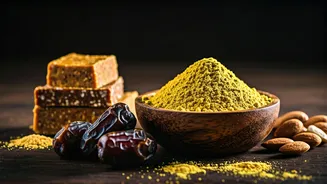
Within traditional Indian households, edible gum, known as gond, has long been a key ingredient in preparing sweets designed to build strength. Gond ke laddoo were particularly esteemed by warriors and wrestlers for their restorative properties. These laddoos combine gond with wheat flour, various nuts and seeds, and a substantial amount of ghee. The preparation process itself reflects a profound, generational understanding of nutrition. Ingredients are slowly roasted to unlock their natural oils and fragrances, creating a dense mixture formulated to provide sustained energy for extended periods of strenuous physical effort. Such sweets were frequently consumed during the colder months or after intense training sessions when the body demanded warmth, stamina, and recovery. When subjected to heat, gond puffs up and becomes crisp, adding both delightful flavour and significant nutritional density. The aggregate ingredients make the laddoo exceptionally rich in healthy fats, protein, and essential minerals, making them ideal for muscle repair and maintaining joint health after demanding physical exertion.
Sattu: The Warrior's Staple
In the unforgiving, scorching plains of northern India, warriors and long-distance travellers required sustenance that was not only portable but also remarkably potent, capable of enduring them through extended periods. Sattu, a product crafted from roasted gram flour, emerged as the quintessential companion. Easily prepared by mixing with water, salt, jaggery, or a blend of spices, sattu could be transformed into an immediate, invigorating drink. It offered a simple yet deeply satisfying flavour while rapidly replenishing depleted energy levels. The most significant advantage of sattu was its sheer convenience. The roasted gram flour demanded no complex cooking procedures and could be readied quickly, even while on the move. A modest pouch of sattu was frequently sufficient to prepare a filling drink or even a basic dough, solidifying its status as a practical and trustworthy source of nourishment. Its rich composition of protein, fibre, and vital minerals like iron and magnesium provided a slow, consistent release of energy, effectively warding off fatigue. Historical accounts suggest that soldiers from regions such as Bihar and eastern Uttar Pradesh routinely carried sattu during their extensive marches, and even today, many agricultural workers and labourers consider it a natural energy booster that helps maintain a cool and nourished body during intense physical work.