



Ambiguous Walkways
The journey to your front door should be seamless and intuitive. Beyond visible cracks or overgrown greenery, structural issues with the approach itself
can significantly mar the initial experience. Architect James M. Crisp highlights that sometimes, limitations like building regulations, budget constraints, or the inherent design of a house prevent ideal solutions. However, a primary concern remains: ensuring a clearly defined path from the street or driveway directly to the entrance. When this pathway is uneven, obstructed, or difficult to discern, it immediately diminishes the welcoming aspect of your home’s exterior, making the first part of the arrival feel less than optimal for guests.
Treacherous Steps
Beyond mere aesthetics, the condition of your front steps can pose a genuine safety hazard. Crisp emphasizes that steps should be designed with a gentle, even gradient to accommodate visitors of all ages and mobility levels. Steep or uneven risers and treads present a significant risk of falls, impacting not just the visual appeal but also the functional safety of your entryway. Prioritizing gradual, well-maintained steps ensures that everyone can ascend to your home with confidence and ease, contributing to a secure and thoughtful welcome.
Neglected Door
The front door is the primary focal point of your home's facade, acting as the very first handshake with your guests. A door marred by peeling paint, water-warped wood, or tarnished hardware projects an image of neglect, undermining the overall appearance of your home. Crisp advises that diligent maintenance is paramount, ensuring the door not only looks presentable but also operates smoothly for an effortless opening. Ideally, incorporating a portico, covered porch, or recessed entry offers vital protection from the elements, creating a more comfortable and protected space for anyone waiting at the threshold.
Mudroom Mayhem
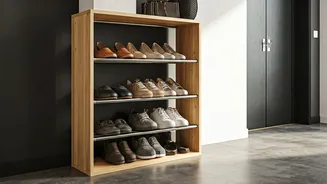
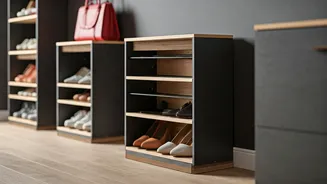
For homes featuring a mudroom adjacent to the entrance, the chaotic accumulation of shoes can quickly become an unappealing sight. Interior designer Denise Taylor advocates for strategic storage solutions to combat this clutter. She suggests designating specific spots for shoe removal and storage, such as a guest bench paired with a basket or rack. Additionally, for smaller items like keys or sunglasses, a decorative, easily accessible box or bowl can prevent them from adding to the visual disarray, maintaining a tidy and organized transition zone.
Ill-Proportioned Furniture
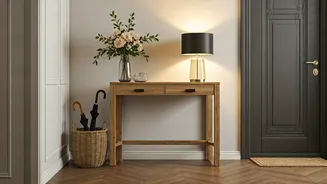
A console table in an entryway serves as a practical surface for mail, keys, or a decorative accent. However, its placement and size are critical, especially in tighter spaces. Taylor cautions against furniture that is too large, leading to awkward navigation as guests and residents maneuver around it. This incorrect scaling creates a congested feel, detracting from a smooth entry experience. An effectively designed entryway prioritizes a clear, unobstructed path, allowing guests to enter and exit your home gracefully and comfortably, free from the hassle of furniture obstacles.