





Himalayan Foothills Beckon
For those new to trekking, India offers a wealth of accessible routes that don't require advanced skills. The majestic Himalayas, in particular, provide
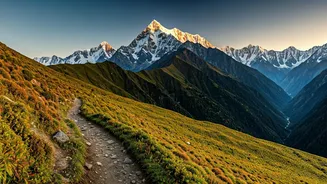
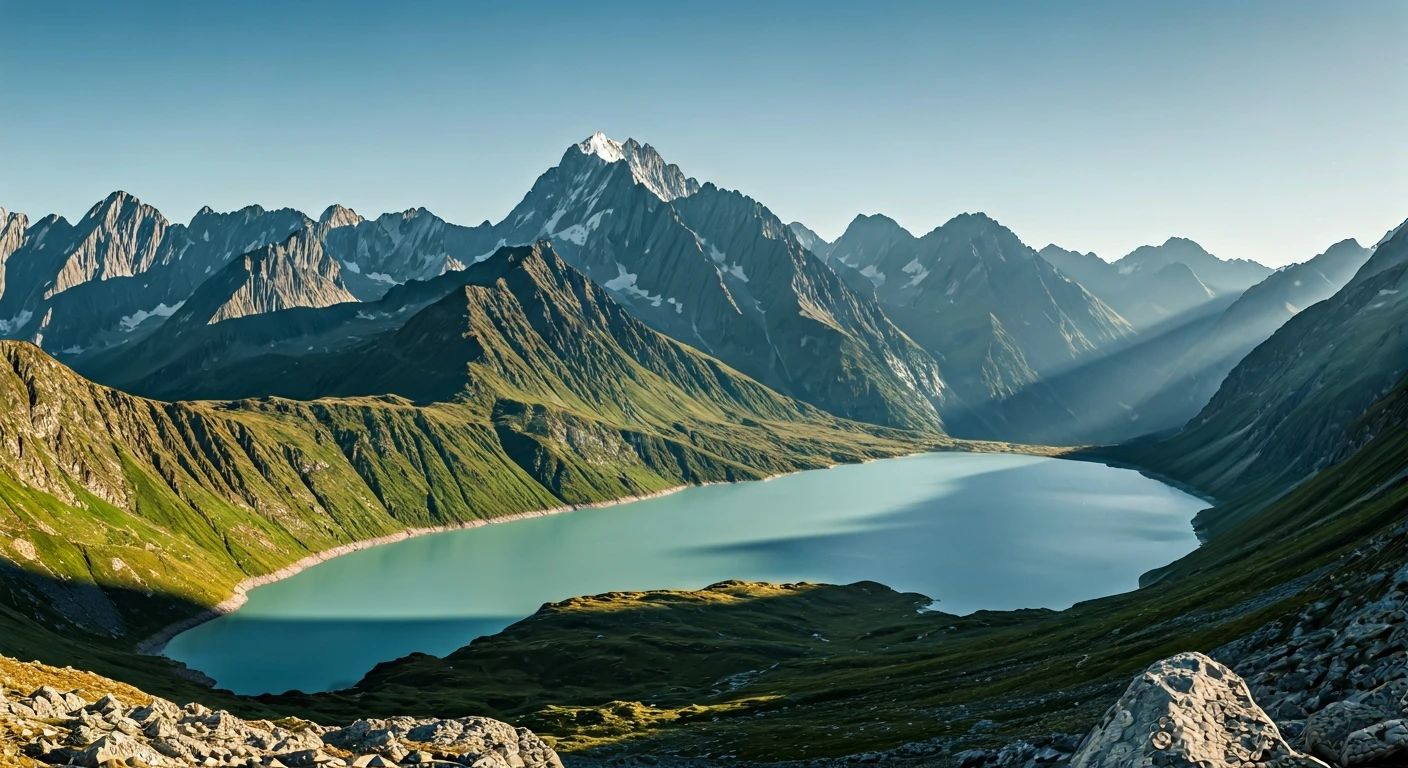
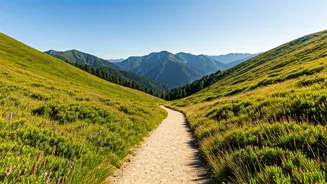
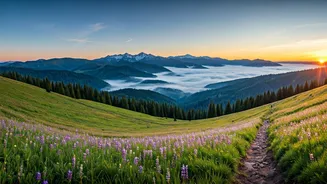
several entry points to the world of mountain hiking. Consider Triund in Himachal Pradesh, a popular 5–6 km trail from McLeod Ganj with a moderate incline and breathtaking views of the Dhauladhar range, best enjoyed between March–June and September–November. Another gem is Nag Tibba in Uttarakhand, also known as the 'Serpent's Peak,' at 3,022 m. Its gradual, forest-covered path is perfect for a first Himalayan summit experience, with the ideal trekking season from October to April. Further east, the Chopta to Tungnath Temple route in Uttarakhand presents a paved 3.5 km path leading to the world's highest Shiva temple at 3,680 m. While snow can enhance the scenery in early spring, the sweeping Himalayan vistas make it an unforgettable yet achievable trek from April to November.
Southern Ghats Charm
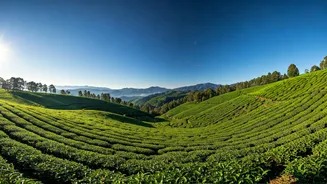
Venturing south, India's Western Ghats region offers equally inviting landscapes for budding trekkers. Tadiandamol in Karnataka, standing at 1,748 m, is the highest peak in Coorg and features a straightforward trail through grassy slopes and shola forests, making it an excellent choice for beginners eager to experience this biodiversity hotspot. The best time to visit is between October and February. While the initial stages are manageable for those with some fitness, Kumara Parvatha, also in Karnataka (1,712 m), presents a slightly more challenging ascent towards the summit. However, its early sections are accessible for beginners, leading through dense forests and offering expansive ridge views, with October to February being the optimal period. For a unique experience, Chembra Peak in Kerala (2,100 m) boasts a steady incline through lush, rolling hills of Wayanad, famous for its picturesque heart-shaped lake. This trail is best explored from September to February.
Western Maharashtra Trails
Maharashtra provides accessible trekking routes, particularly for those near its major cities. Rajmachi Fort, situated at approximately 820 m, is a favourite during the monsoon season, located conveniently near Mumbai and Pune. This non-technical trail is characterized by its wide path, lush greenery, cascading waterfalls, and the allure of historic fort ruins, making it a delightful experience from June to February. Another Maharashtra highlight is the Matheran Panorama Trail. Nestled in a car-free hill station at 800 m, this trail is predominantly flat and incredibly beginner-friendly, offering sweeping valley views. The best period for this serene walk is from October to May.
Eastern India Adventures
The eastern part of India also hosts remarkable trails suitable for novice hikers. Sandakphu in West Bengal, reaching an elevation of 3,636 m, is renowned for offering views of four of the world's five tallest mountains. While the trek is longer, its gradual incline makes it navigable for beginners, and in some sections, it can even be traversed by vehicle. The prime trekking seasons are April–May and October–December. Moving further northeast, Dzukou Valley in Nagaland–Manipur (2,452 m) is often called the 'Valley of Flowers of the Northeast.' This trek, though short, is exceptionally scenic, especially when the valley is in full bloom during the monsoon months of June–September, with October and November also offering pleasant conditions.
Himachal's Soothing Paths
Beyond the popular Triund trek, Himachal Pradesh offers another delightful option for beginners: Kheerganga. Located at 2,960 m, this 12 km hike is a gentle journey through enchanting forests and past beautiful waterfalls, culminating in the rewarding experience of natural hot springs. It's an ideal choice for those undertaking their first multi-hour trek, with the best times to visit being May–June and September–October. This trail allows ample opportunity to immerse oneself in nature and enjoy a moderately paced adventure before reaching the therapeutic hot springs.
Essential Beginner Tips
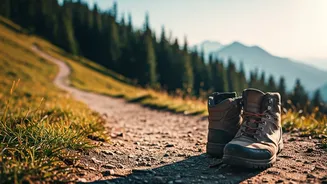
For anyone embarking on their first hiking expedition, a few key pieces of advice can ensure a safer and more enjoyable experience. It's wise to start with shorter trails, typically covering 4–6 km, to build stamina and confidence. Proper footwear is crucial; opt for trekking shoes with excellent grip to navigate varied terrains confidently. Always carry adequate hydration, around 1–2 litres of water, along with light snacks for energy. Staying informed about weather forecasts is vital, especially in hilly regions, to avoid potential hazards like landslides during peak monsoon seasons. If you plan to trek at higher altitudes, generally above 2,500 m, ascend gradually and maintain good hydration to mitigate the risk of altitude sickness and ensure a comfortable journey.