




A Visionary Landmark
Rishikesh is on the cusp of welcoming a stunning new architectural marvel, the Bajrang Setu bridge. This eagerly awaited structure is set to redefine the landscape
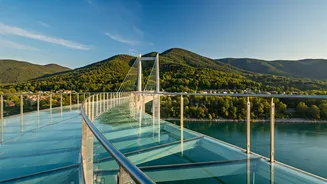
of this spiritual hub, offering not just enhanced connectivity but also a unique vantage point for experiencing the sacred Ganga river. As India's inaugural glass-floor suspension bridge, it represents a fusion of cutting-edge design and an immersive encounter with nature's grandeur. The bridge is in its advanced stages of construction, with crucial technical assessments currently underway to ensure its readiness for public access. Situated in close proximity to the revered Laxman Jhula, the Bajrang Setu is strategically positioned to become a significant draw for visitors, contributing to both the modernization of infrastructure and the elevation of Rishikesh as a premier tourist destination.
Bridging Infrastructure and Experience
The Bajrang Setu project, an investment of approximately ₹70 crore, spans a length of 132 meters and is designed as a modern suspension bridge. Its innovative structure includes distinct pedestrian pathways featuring transparent glass panels, allowing walkers to gaze directly down at the flowing Ganga beneath. Complementing these pedestrian zones, a central thoroughfare is designated for lighter vehicular traffic, ensuring practical utility. This dual functionality makes the bridge a remarkable feat of engineering, blending essential transport links with an attractive, experiential element. The project's significance is amplified by the closure of the historic Laxman Jhula in 2022 due to safety considerations. Consequently, the Bajrang Setu is anticipated to alleviate traffic congestion and re-establish vital access for pilgrims and tourists traversing the river, thereby restoring a crucial link in the region's network.
Economic Revitalization Ahead
Local businesses and vendors in Rishikesh hold considerable optimism regarding the positive economic repercussions anticipated from the opening of the Bajrang Setu. Merchants and small-scale entrepreneurs in the vicinity foresee a substantial increase in visitor numbers, which they believe will act as a powerful catalyst for reviving local commerce. This economic resurgence is particularly welcomed after a period of slowed activity, attributed to restricted access and a decline in tourist movement in recent times. Observers within the tourism sector predict that the Bajrang Setu could quickly establish itself as a signature attraction for Rishikesh. Its unique experiential appeal is expected to add a novel dimension to a city already celebrated globally as the 'yoga capital of the world'. The bridge's blend of contemporary aesthetics, stunning natural vistas, and improved accessibility is projected to draw a diverse range of visitors, encompassing both domestic travelers and international tourists, particularly during the peak Char Dham Yatra season.