
Paratha: An Introduction
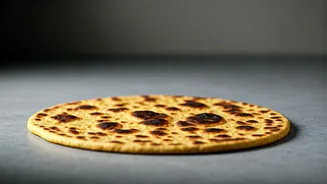
Paratha, a cornerstone of Indian cuisine, is much more than just a flatbread; it's a versatile canvas for flavors and textures. The basic paratha is a simple
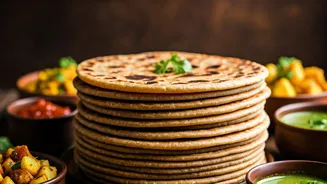
unleavened flatbread made from wheat flour, often cooked with ghee or oil. This foundational element lends itself to endless variations, incorporating diverse ingredients, fillings, and cooking methods. Whether enjoyed plain or stuffed, parathas are a staple across India, with regional variations showcasing the country's rich culinary diversity. From breakfast to dinner, parathas offer a satisfying and adaptable meal. Their simple nature makes them ideal for both quick and elaborate preparations, making them a beloved choice for home cooks and street food vendors alike. The versatility of paratha allows for endless experimentation with fillings, spices, and cooking techniques, contributing to its enduring popularity. This flatbread’s cultural significance lies in its ability to bring families and communities together around the dining table, with its comforting taste and ease of preparation.
Mughlai Paratha's Charm
Mughlai Paratha, originating from Bengal, stands out as a luxurious treat. It features a deep-fried, egg-filled paratha, often with a meat filling, embodying rich flavors and textures. This dish is not just a meal; it is an experience, combining crispy, flaky layers with savory fillings, a testament to Mughlai influence on Indian cuisine. The preparation requires skill and attention, as the dough must be layered and fried to perfection. The result is a delightful contrast of textures and tastes: a crispy exterior giving way to a soft, flavorful interior. The use of eggs and meat elevates this paratha beyond the everyday, making it a special occasion favorite. Mughlai Paratha's appeal lies in its indulgent nature and the satisfaction it offers to the palate. Its popularity underscores the enduring appeal of traditional recipes, which continue to delight generations of food lovers. The dish’s complexity and depth of flavor are a mark of culinary excellence.
Diverse Paratha Recipes
The world of parathas is filled with endless variety, catering to diverse tastes and dietary preferences. Lachha Paratha, with its flaky, layered texture, exemplifies the artistry of paratha-making. Achieving its characteristic layers involves specific techniques such as folding and rolling the dough with ghee or oil to create pockets. In contrast, variations with fillings offer a range of flavors and textures. Stuffed parathas, such as those with vegetables or pulses, are a complete meal in themselves. These different types of parathas are adaptable and suit various occasions, from quick breakfasts to elaborate feasts. Each recipe represents a region's culinary heritage, offering a taste of India's diverse gastronomic landscape. Whether you are looking for a simple, plain paratha or an elaborately filled one, there's always a recipe to satisfy your craving.
Perfecting Lachha Paratha
Creating a perfect Lachha Paratha at home requires a combination of technique and patience. The key is in the layering process, where the dough is folded and rolled multiple times with ghee or oil to build up the distinct layers. The resulting texture is what makes Lachha Paratha special, with its flaky, crispy exterior. The video tutorial available offers a step-by-step guide to mastering this technique. The precision in folding and rolling is important, as it determines the final texture. The cooking method, which typically involves pan-frying with ghee or oil, is crucial for achieving the desired crispness. Successfully making Lachha Paratha at home offers a satisfying culinary achievement. With practice, anyone can master this classic Indian flatbread and enjoy the delicious results. This paratha exemplifies how simple ingredients can transform into something extraordinary with the right technique.
Healthy Paratha Fillings
For those seeking healthier paratha options, the choice of fillings plays a vital role. Several alternatives can make parathas a nutritious meal. Vegetable fillings are a great way to pack in nutrients and flavors. Mooli-stuffed paratha, for example, is a winter favorite and can be paired with other seasonal vegetables to add variety. Opting for whole wheat or multigrain dough enhances the nutritional value. The variety of ingredients adds different tastes to the paratha, such as using spinach, fenugreek leaves, or even grated vegetables. Combining these fillings with spices elevates the dish's taste while contributing to overall health benefits. The inclusion of healthy fillings proves that parathas can be both delicious and nutritious, providing a balanced meal suitable for any diet. Experimenting with different fillings offers a chance to explore a range of flavors and improve your well-being.