





Antibiotic Resistance Rising
The widespread use of antibiotics has, unfortunately, led to a concerning rise in bacterial resistance. As bacteria adapt and evolve, they are developing
strategies to evade the effects of these life-saving drugs. The result is that common infections are becoming increasingly difficult to treat, and the threat of untreatable diseases is looming. Antibiotic resistance is not just a problem in India; it's a global health crisis. Factors such as the inappropriate and excessive use of antibiotics in human medicine and agriculture have fueled this escalating issue. Effective strategies are needed to counteract this trend and secure the future effectiveness of antibiotics.
IISER Pune's Discovery
Researchers at IISER Pune have made a significant stride in understanding this problem. Their work focused on identifying the specific mechanisms bacteria use to survive in the presence of antibiotics. The team uncovered a new survival strategy that bacteria employ, providing valuable insights into how these microorganisms can persist despite antibiotic treatment. The research enhances our comprehension of bacterial resilience and is vital in developing effective strategies to overcome antibiotic resistance. This finding is particularly important because it gives scientists a target to work with to create effective methods to bypass the bacteria's survival mechanisms.
Bacterial Survival Mechanisms
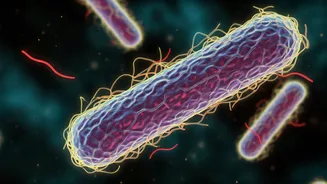
Bacteria are incredibly adaptable organisms. They have various mechanisms to defend against antibiotics. This includes altering the target sites of antibiotics, inactivating the drugs through enzymatic reactions, and developing efflux pumps that expel antibiotics from the bacterial cell. These tactics can be quite effective, allowing bacteria to resist the effects of antibiotics and continue to thrive. The specific survival strategies can vary depending on the type of bacteria and the type of antibiotic. The new research by IISER Pune has uncovered a previously unknown mechanism, further complicating the fight against antibiotic-resistant infections.
Implications and Future
The discoveries by IISER Pune hold significant implications for future research and treatment strategies. Understanding the new survival mechanism can assist scientists to develop novel antibiotics or modify existing ones to overcome these bacterial defenses. The research also underscores the need for better antibiotic stewardship. This includes promoting the responsible use of antibiotics, limiting their unnecessary prescription, and improving infection control practices. The battle against antibiotic resistance is complex, but this research offers a crucial step towards finding effective solutions and protecting global health.