

The Longevity of Rice
White rice stands out as a remarkably durable foodstuff, capable of remaining fresh for an impressive duration of up to 30 years when housed in an airtight
container. This extended shelf life is attributed to its minimal moisture content and processed nature, which inhibits rapid spoilage. In contrast, brown rice, due to the presence of natural oils within its bran layer, has a significantly shorter lifespan and is prone to rancidity much sooner. Therefore, for those seeking to stock up on rice for the long haul, opting for the white variety and ensuring it's sealed from the elements is paramount for preserving its quality and safety for consumption over many years.
Salt: The Ancient Preservative
Salt has been a cornerstone of food preservation for millennia, and its efficacy stems from its inherent properties as a powerful dehydrating agent. By drawing moisture out of food, salt creates an environment that is inhospitable to the bacteria and microorganisms responsible for spoilage. This process effectively halts or significantly slows down the decay of food items. Its crystalline structure and chemical composition make it a natural barrier against microbial growth, allowing it to retain its own integrity indefinitely and act as a timeless guardian for other foods it's used to preserve.
Sugar's Sweet Endurance
Similar to salt, sugar possesses remarkable moisture-absorbing capabilities, a characteristic that makes it an excellent tool for food preservation. By binding with water molecules, sugar effectively removes the essential element that bacteria and mold need to thrive and multiply. This hygroscopic nature ensures that foods high in sugar content are less susceptible to spoilage. When stored in well-sealed containers to prevent it from becoming a clumpy mass due to humidity, sugar itself can practically last forever, maintaining its sweetness and usability for countless years.
Lentils and Pulses
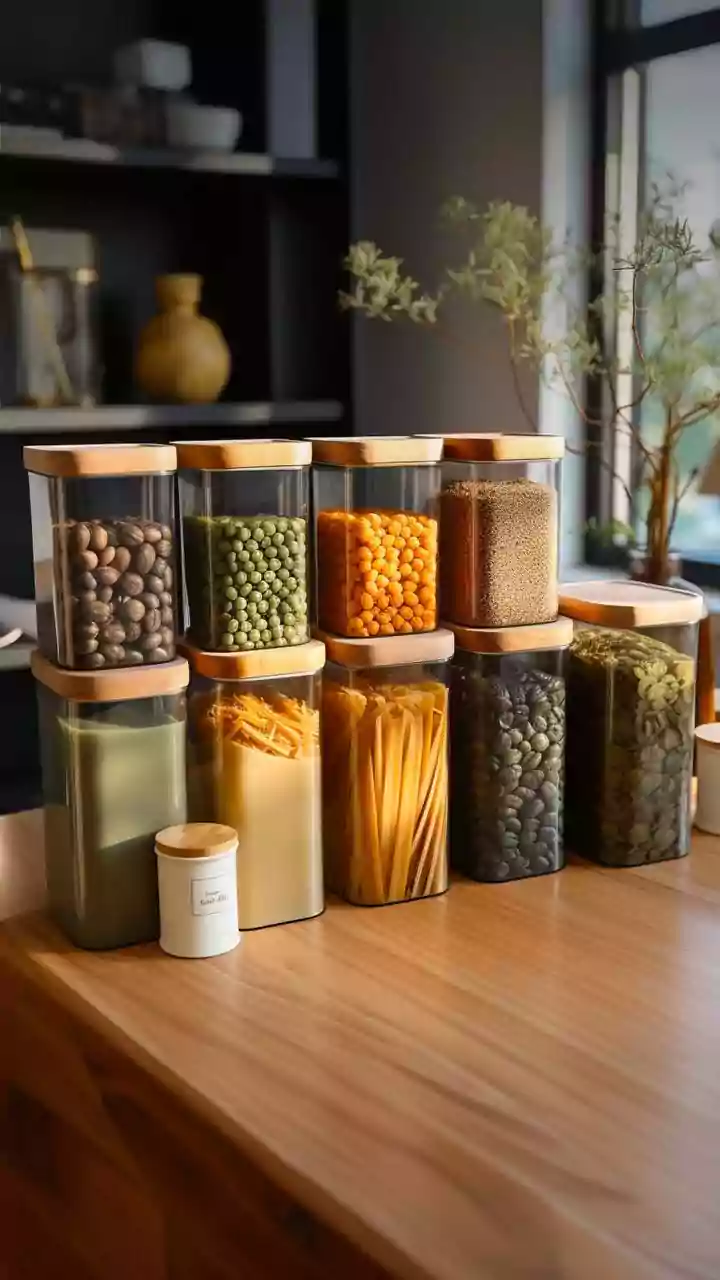
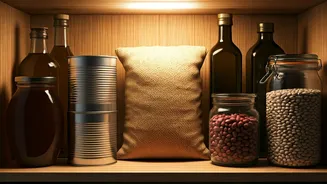
Dry pulses and lentils, such as toor dal and moong dal, offer incredible longevity in the pantry, capable of remaining edible for many years provided they are kept completely dry and protected from moisture. While their cooking time might gradually increase over extended periods, their core nutritional value remains largely undiminished. The key to their enduring freshness lies in their low moisture content and the absence of fats that could lead to rancidity. Storing them in airtight containers in a cool, dry place is sufficient to ensure they are a reliable source of sustenance for a very long time.
Soy Sauce's Salty Shelf Life
The high concentration of salt in soy sauce is the primary reason for its exceptionally long shelf life. This salinity acts as a potent preservative, inhibiting the growth of spoilage-causing microorganisms. Even after the bottle has been opened and exposed to air, soy sauce can remain safe and flavorful for a considerable period, especially when stored properly in the refrigerator. This allows consumers to enjoy its umami-rich flavor in various dishes over an extended duration without concerns about premature spoilage.
Vinegar's Acidity Shield
White distilled vinegar boasts a high level of acidity, a characteristic that makes it inherently resistant to spoilage. This potent acidity creates an environment where most bacteria and other microorganisms cannot survive, effectively preventing the liquid from going bad. Beyond its culinary uses, this property also makes vinegar a valuable tool for cleaning and disinfecting surfaces, including those used for food preparation. Its stable chemical composition ensures it maintains its potency and preservative qualities for an almost indefinite period.
Powdered Milk's Extended Life
While liquid milk has a notoriously short shelf life, its powdered counterpart offers a dramatically extended period of usability. Powdered milk can remain fresh for years when stored in cool, dry conditions, away from direct sunlight and moisture. The drying process removes the water content that typically supports bacterial growth in liquid milk. This makes powdered milk an incredibly stable and long-lasting option for households, ensuring a ready supply of milk components for cooking, baking, or reconstituting whenever needed.
Cornstarch's Dry Durability
Cornstarch, a common thickening agent in kitchens worldwide, possesses impressive longevity when kept properly. Its dry, powdery nature means it is inherently resistant to spoilage as long as it is protected from moisture and humidity. Storing cornstarch in a dry pantry, ideally in an airtight container, will ensure it remains fresh and effective for many years. The absence of water content prevents microbial activity, making it a reliable staple that rarely needs replacement due to expiration.
Instant Coffee's Lasting Flavor
Instant coffee powder can maintain its quality and flavor for an extended period, significantly outlasting fresh coffee beans. To maximize its shelf life, it's crucial to protect it from moisture and store it in airtight containers. For even greater longevity, freezing instant coffee can further preserve its aromatic compounds and prevent degradation. By minimizing exposure to air and humidity, you can ensure that your instant coffee remains a delightful part of your morning routine for years to come.
The Science of Pantry Staples
The remarkable shelf life of certain pantry items is rooted in fundamental scientific principles. Foods with inherently low moisture content, such as grains and sugars, offer less opportunity for bacterial proliferation. Similarly, high acidity, as seen in vinegar, creates an environment where spoilage organisms cannot thrive. Natural preservatives, like the salt in soy sauce, actively inhibit microbial growth. These inherent properties, combined with proper storage techniques like airtight sealing and protection from humidity, are the keys to unlocking years of usability from these essential food staples, significantly reducing waste.