



Island of Coconuts
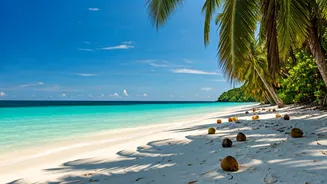
Lakshadweep truly earns its nickname. Coconut palms dominate the scenery, forming dense plantations that sprawl across the islands. For centuries, this
versatile fruit has been the cornerstone of Lakshadweep's economy and culture. Coconuts are used in myriad ways: as a food source, for oil production, to create coir (the fiber from husks), in handicrafts, and even in local rituals and festivals. The refreshing coconut water is a daily staple, and coconut oil is essential for cooking and traditional practices. This bond with coconuts goes beyond mere economics. They're central to island life.
Culture and People
The people of Lakshadweep are primarily of Malayali descent, and their culture is deeply influenced by the traditions of Kerala. Islam is the predominant religion, and the local customs are interwoven with the rhythm of island life. Fishing and coconut cultivation are the main occupations, while coir products and handicrafts demonstrate the artistry of the locals. Festivals frequently feature coconuts as a central element, whether in celebratory rituals or in the celebratory feasts. Hospitality is known to be warm and simple; guests are often welcomed with tender coconut water, a gesture that reflects the islanders' intimate connection with this versatile fruit. The islands offer a unique blend of heritage and everyday life.
Getting There and In
Planning is key when traveling to Lakshadweep, as access is carefully managed to protect its delicate ecosystem. The main entry point is Agatti Island, which has an airport with flights connecting from Kochi in Kerala. Once on Agatti, boats and ferries will transport you to the other islands. Entry permits are required for all visitors, including Indian citizens; these can be obtained through authorized agencies. This controlled access helps preserve the islands' pristine environment. This ensures that the islands retain their allure while respecting their fragile balance.
Island Geography
Lakshadweep lies approximately 300 kilometers off the coast of Kerala. It consists primarily of coral atolls, reefs, and lagoons, rendering it ecologically sensitive yet breathtakingly beautiful. Of the 36 islands, only a few are inhabited, while the others remain untouched, preserving their unspoiled charm. The geography is characterized by low-lying land, lush coconut groves, and crystal-clear waters teeming with marine life. This combination creates a stunning visual experience.
Tropical Paradise
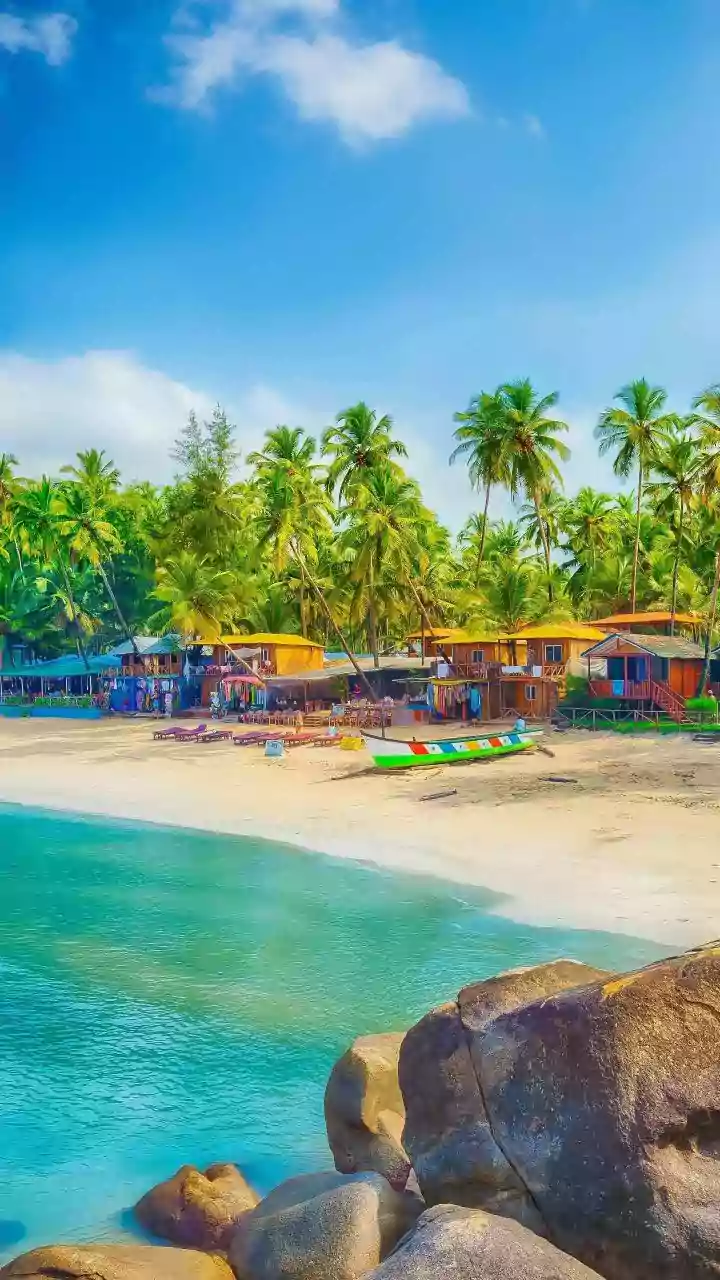
Lakshadweep is a true tropical paradise in the Arabian Sea, recognized for its swaying coconut palms, pristine beaches, and vibrant coral reefs. Accommodation options range from government-run guesthouses to private resorts, with Bangaram and Kadmat offering more luxurious stays. Food is simple yet delicious, featuring coconut-based curries, fresh seafood, and rice as staples. It is a destination that offers something for everyone, from budget travelers to those seeking a more luxurious experience.
Eco-Tourism Focus
Tourism in Lakshadweep is carefully regulated because of the ecological sensitivity of the islands. Visitors are encouraged to respect local customs, avoid littering, and minimize plastic use. Popular eco-tourism activities include exploring coconut plantations and learning about coir-making, which support local livelihoods. The focus is on promoting sustainable tourism that benefits both the environment and the local community. These efforts protect the fragile ecosystem.
Best Time To Visit
The ideal time to visit Lakshadweep is between October and March, when the weather is pleasant and the seas are calm. The monsoon season, from June to September, brings heavy rainfall and rough seas, which can make travel difficult. Planning your visit during the drier months ensures a more enjoyable experience. Checking the weather conditions before your trip will help you make the most of your time in paradise.
Coconuts: A Symbol
Beyond their economic value, coconuts symbolize island life itself. They are offered during ceremonies, utilized in hospitality, and woven into the daily rhythm of the people. The sight of endless coconut groves against the backdrop of the Arabian Sea gives Lakshadweep its poetic identity. Coconuts are more than just a resource; they embody the spirit of the islands and its people. This intimate link with coconuts sets Lakshadweep apart.
Traveller's Experiences
For travelers, Lakshadweep is a treasure trove of experiences. The islands boast beaches and lagoons with powdery white sands that meet crystal-clear waters. Adventure activities such as snorkeling, scuba diving, kayaking, and sailing are popular due to the rich coral reefs and marine biodiversity. The waters are home to colorful fish, turtles, and even dolphins, making it a paradise for nature lovers. Eco-tourism involves guided tours of coconut plantations and sustainable living practices, providing insights into island life. Island hopping offers a unique charm for each island: Agatti is known for its airport and beaches, Bangaram for its luxury resorts, and Kavaratti for cultural experiences. Lakshadweep caters to diverse interests, ensuring an unforgettable journey.