
Understanding the 'Food Baby'
The sensation of a temporary, bloated stomach, colloquially known as a 'food baby,' can occur after consuming certain foods. Shark Tank India personality
Namita Thapar, at 48, recently discussed this phenomenon, noting that heavier dishes, such as toor dal khichdi or excessive bread in dishes like pav bhaji, can lead to a feeling of abdominal swelling or a 'pouch' below the navel. This common experience prompts an exploration into the digestive processes that cause such temporary discomfort. The expert perspective highlights that this bloating is typically transient and doesn't necessarily indicate that the food itself is unhealthy or should be entirely avoided. It's more about how our individual digestive systems process specific ingredients, particularly complex carbohydrates and fibers found in pulses.
Digestive Differences: Toor vs. Moong
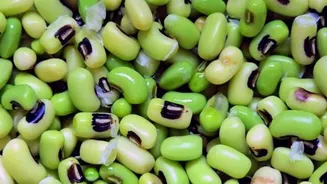
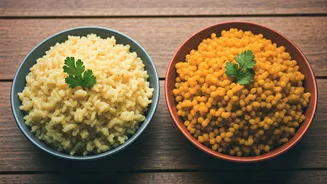
According to Dt Amreen Sheikh, chief dietitian at KIMS Hospitals, Thane, the feeling of bloating after meals is a frequent occurrence linked to how particular foods are processed in the gut. Pulses like toor dal are rich in nutritious complex carbohydrates and fiber, which, while beneficial, can sometimes generate gas during digestion. As these fibers reach the large intestine, they undergo breakdown by gut bacteria, potentially resulting in gas, a sense of fullness, or abdominal distension. While some individuals might notice this effect more with certain dals, moong dal is generally considered lighter and easier to digest. Conversely, toor dal might feel heavier for some, depending on factors such as their specific digestive sensitivity, the quantity consumed, and how it was prepared. It's important to note that this type of bloating is usually temporary and doesn't signify that the food is inherently problematic.
Why Moong Dal is Gentler
Moong dal is widely recognized as one of the most easily digestible lentils. Sheikh explains that its fiber structure is softer, leading to less gas production during digestion compared to other pulses. This characteristic makes it a frequent recommendation for individuals recovering from illness or experiencing digestive unease. In contrast, toor dal, while packed with nutrients and a staple in Indian cuisine, may require a longer digestive period for some people. The degree of difference varies significantly from person to person and is also influenced by the cooking methods employed, the inclusion of spices, and the portion size of the meal.
Managing Mild Bloating
From a nutritional standpoint, there's no inherent need to avoid foods that cause mild bloating, Sheikh affirms. Many foods that promote gut health, including those rich in fiber like lentils, beans, and whole grains, can occasionally lead to slight bloating, especially if they are not a regular part of one's diet. Completely eliminating these foods could mean missing out on essential nutrients. A more effective strategy involves gradually introducing these foods and being mindful of portion sizes. Practices such as soaking dals before cooking, incorporating digestive spices like cumin, ginger, or asafoetida, and ensuring thorough cooking can significantly improve tolerance and reduce digestive discomfort. Simple habits like eating at a slower pace, avoiding overly large servings, and maintaining regular meal times also contribute to better digestion.