



Green Tea's Mighty Catechins
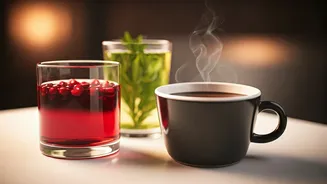
Renowned for its extensive health benefits, green tea is a top pick among dietitians for its impressive antioxidant profile. The key players are catechins,
plant compounds that have been extensively studied for their ability to help manage blood sugar levels, safeguard the nervous system, and potentially offer anti-cancer properties. Whether you enjoy it piping hot or refreshingly cold, incorporating a squeeze of lemon can significantly enhance your body's absorption of these beneficial antioxidants. A 3.5-ounce serving of green tea typically contains about 1.5 mmol of antioxidant content, making it a simple yet powerful addition to your daily routine.
Pomegranate Juice's Richness
This vibrant, ruby-red juice, derived from a fruit with ancient origins, is highly recommended for its antioxidant prowess. Dietitians often highlight 100% pomegranate juice because it's made by pressing the entire fruit. This process ensures that you receive the full spectrum of polyphenols from the rind, pith, and arils, maximizing its potential health-protective benefits. With a significant antioxidant content of 2.1 mmol per 3.5 ounces, pomegranate juice can be enjoyed on its own, blended into smoothies, or used as a base for creative mocktails, offering a delicious way to consume vital phytonutrients.
Grape Juice's Heart Benefits
For those seeking the antioxidant advantages of grapes without the alcohol, grape juice is an excellent alternative. It boasts many of the same beneficial polyphenols found in red wine, such as resveratrol, which are potent antioxidants known to contribute to a reduced risk of heart disease. Unlike alcoholic beverages, grape juice offers these benefits without the potential negative side effects like hangovers or increased blood pressure. A 3.5-ounce serving provides approximately 1.2 mmol of antioxidants, making it a sensible choice for cardiovascular support and overall well-being.
Cocoa's Chocolatey Goodness
Chocolate enthusiasts rejoice! Cocoa, the star ingredient in both hot and iced chocolate beverages, is a surprisingly rich source of antioxidants. The darker the chocolate and the higher the cocoa percentage, the greater the antioxidant concentration you'll consume. These antioxidants, specifically cocoa flavanols, have been linked to improved blood flow, enhanced cognitive function, and lower blood pressure when enjoyed regularly. To maximize these benefits, opt for non-alkalized (natural) cocoa powder, as it retains more of these valuable flavanols. A 3.5-ounce serving of cocoa with milk contains about 0.37 mmol of antioxidants.
Coffee's Morning Boost
For many, coffee is an indispensable part of their morning ritual, and it turns out this beloved beverage is also a significant contributor to antioxidant intake. Coffee is particularly rich in chlorogenic acid, a potent plant compound associated with anti-diabetes, anti-cancer, anti-inflammatory, and anti-obesity effects. While espresso drinks can have a very high antioxidant content (around 14.2 mmol per 3.5 ounces), even a standard filtered coffee offers substantial benefits with approximately 2.5 mmol per 3.5 ounces. It's advisable to enjoy coffee with minimal additions, as excessive sugar or artificial sweeteners might counteract some of its inherent health advantages.
Orange Juice's Vitamin C
A breakfast staple, 100% orange juice is more than just a source of vitamin C; it's packed with other vital antioxidants like carotenoids and flavonoids. Notably, it contains hesperidin, a powerful antioxidant known for its anti-inflammatory and anti-carcinogenic properties. Dietitians emphasize that much of the hesperidin is concentrated in the orange's peel and membranes, which are incorporated during the juicing process for 100% juice. This makes it an excellent food source for this beneficial compound. A 3.5-ounce serving of orange juice contains approximately 0.64 mmol of antioxidants, offering a bright and healthful start to your day.