






Beyond Male Physiology
Much of the widely available nutritional advice was originally formulated with male bodies as the default, with minimal adjustments made for women. Experts
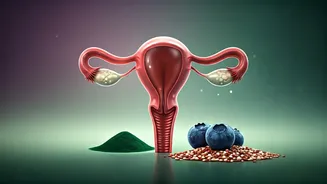
emphasize that this approach overlooks the intricate biological tapestry of the female body. Women experience a spectrum of distinct physiological phases, including menstruation, pregnancy, perimenopause, and menopause. These stages significantly impact how nutrients are absorbed, stored, and utilized by the body. Factors such as hormonal fluctuations, differing body composition, and reproductive health all play a crucial role in shaping a woman's specific nutritional demands. Consequently, a more individualized dietary strategy is paramount, rather than simply adapting generic recommendations that were not designed with female physiology in mind. This highlights the necessity of understanding and catering to these unique internal processes for optimal health.
The Iron Imperative
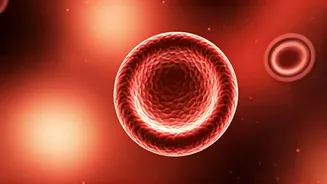
Iron stands out as a critically important nutrient for women, with their monthly blood loss during menstruation creating a distinct need. This regular loss means women often require nearly twice the amount of iron compared to men of the same age. While not always immediately apparent, an iron deficiency can manifest as persistent fatigue, reduced concentration, and a weakened immune system over time. The continuous demand for iron, especially when compared to male counterparts, underscores the importance of dietary awareness and supplementation where necessary. Ensuring adequate iron intake is not merely about avoiding overt symptoms but about maintaining consistent energy levels and robust bodily functions throughout a woman's reproductive years.
Building Strong Bones
Focusing on bone health is another cornerstone of women's nutrition that warrants early attention. Women are at a heightened risk of diminished bone density, a concern that intensifies after menopause as estrogen levels decrease. Nutritionists stress that the foundations for strong bones should be laid much earlier in life. Calcium and vitamin D are not merely nutrients to consider in later years; they are essential for building robust bone structure from young adulthood onwards. Consuming foods rich in calcium, such as dairy products, sesame seeds, almonds, and fortified items, can significantly contribute to maintaining bone strength throughout life. Proactive nutritional choices in early adulthood can pave the way for better skeletal health in later years.
Hormonal Harmony & Appetite
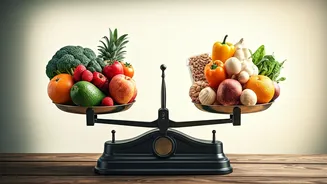
The ebb and flow of hormones throughout a woman's menstrual cycle profoundly influence appetite, metabolic rate, and overall energy levels. Changes in hunger patterns and specific cravings are often misinterpreted as emotional eating or a lack of self-control, when in reality, they are direct physiological responses to hormonal shifts. Furthermore, a woman's body composition, typically characterized by a higher percentage of body fat and less muscle mass than men's, impacts her metabolism and energy requirements. This physiological difference can mean that while fewer calories may be needed overall, the nutritional quality of those calories becomes exceptionally important. Understanding these hormonal and compositional factors helps demystify fluctuating appetites and energy dips.
Evolving Needs Through Life
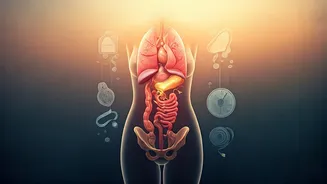
A woman's journey through life necessitates a dynamic approach to nutrition, as her bodily requirements change significantly at different stages. Periods such as pregnancy and breastfeeding dramatically elevate the need for crucial nutrients like folate, iron, iodine, and omega-3 fatty acids, which are vital for both maternal well-being and fetal development. These critical nutrient demands continue to evolve throughout a woman's lifespan due to ongoing physiological transformations. Therefore, a personalized nutrition strategy is not just beneficial but essential for maintaining health, vitality, and hormonal balance across all life phases, from adolescence through to post-menopause.